Material choice defines modern vehicle modifications in the automotive industry. For exterior upgrades and
body kits — front spoiler, rear spoiler, side skirts, and more—carbon fiber emerges as a superior alternative to ABS plastic and fiberglass. Enthusiasts choose it for lightweight strength, precise fit, and visual depth, elevating aesthetics, performance, and the driving experience. As automotive advancements accelerate, carbon fiber reshapes premium car parts, setting the benchmark for design, durability, and value.
What is carbon fiber
What is carbon fiber
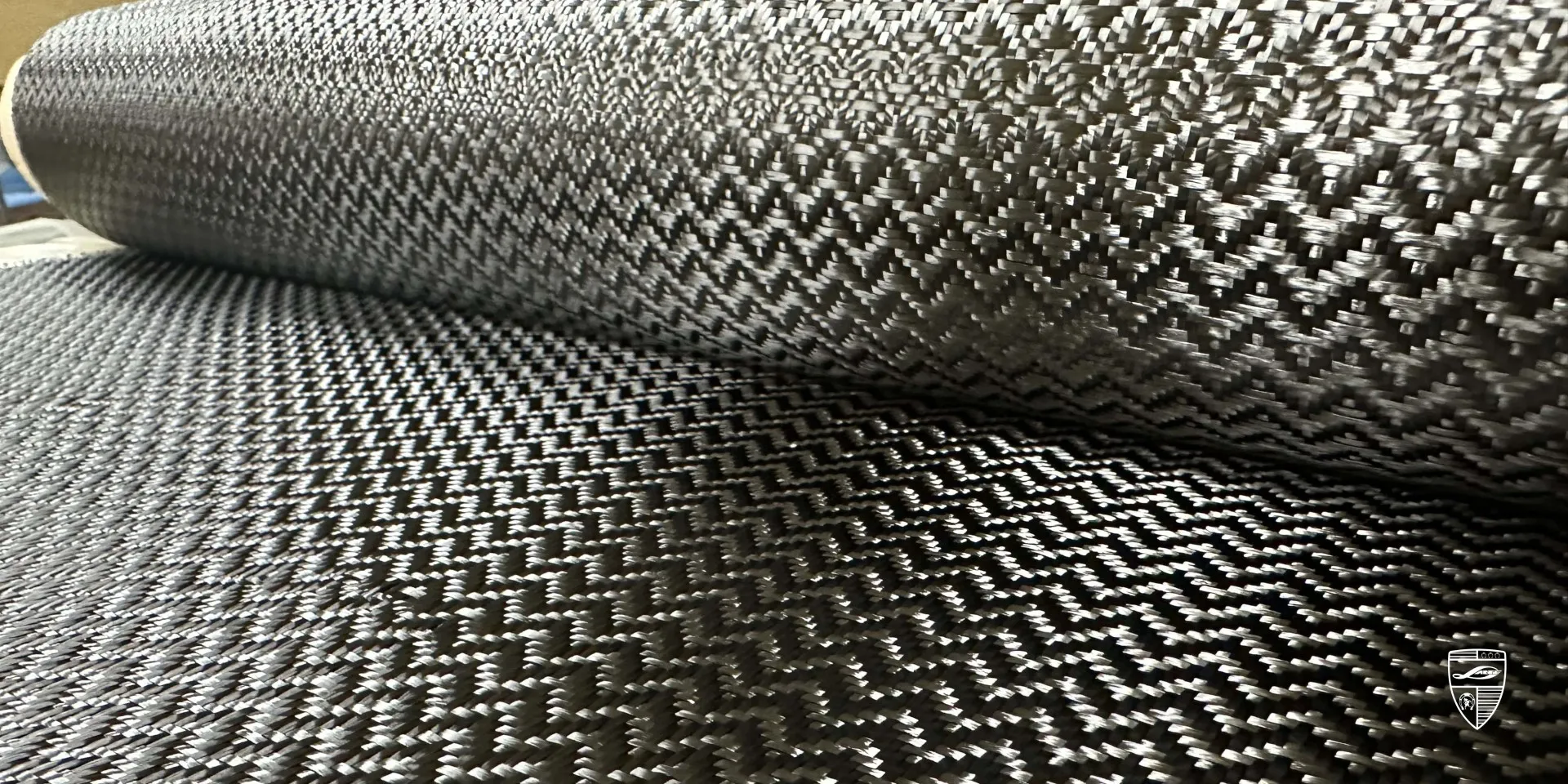
Carbon fibers, also spelled carbon fibres, are thin filaments made primarily of carbon atoms. Each fiber measures about 5–10 micrometers in diameter, with atoms bonded together in aligned crystalline structures. These crystalline filaments give carbon fibers (CF) their exceptional stiffness, tensile strength, and high strength-to-weight ratio.
This process involves oxidation, carbonization at high temperature in an inert atmosphere, and fiber weaving to create uniform strands. Advanced steps like prepregging, curing, and precision machining ensure quality parameters and structural transformation. Thousands of these filaments are bundled into tow and woven into fabric. When combined with resin, the fabric forms composite materials such as carbon-fiber-reinforced polymer (CFRP) or reinforced carbon-carbon composites.
Key properties of carbon fibers include lightweight performance, chemical resistance, temperature tolerance, and low thermal expansion. These characteristics make carbon fibers suitable for demanding environments in aerospace, civil engineering, military equipment, and motorsports.
Carbon fibers remain expensive compared to alternatives such as glass fiber, basalt fibers, or plastic fibers, but their superior properties secure their role in high-performance design.
Carbon fibers, also spelled carbon fibres, are thin filaments made primarily of carbon atoms. Each fiber measures about 5–10 micrometers in diameter, with atoms bonded together in aligned crystalline structures. These crystalline filaments give carbon fibers (CF) their exceptional stiffness, tensile strength, and high strength-to-weight ratio.
This process involves oxidation, carbonization at high temperature in an inert atmosphere, and fiber weaving to create uniform strands. Advanced steps like prepregging, curing, and precision machining ensure quality parameters and structural transformation. Thousands of these filaments are bundled into tow and woven into fabric. When combined with resin, the fabric forms composite materials such as carbon-fiber-reinforced polymer (CFRP) or reinforced carbon-carbon composites.
Key properties of carbon fibers include lightweight performance, chemical resistance, temperature tolerance, and low thermal expansion. These characteristics make carbon fibers suitable for demanding environments in aerospace, civil engineering, military equipment, and motorsports.
Carbon fibers remain expensive compared to alternatives such as glass fiber, basalt fibers, or plastic fibers, but their superior properties secure their role in high-performance design.
At
LARTE Design, we use carbon fiber for our aerodynamic and exterior styling components because it provides unmatched precision, lightness, and structural integrity. These properties allow our designers to achieve sharper contours, stronger mounting points, and a premium surface finish that enhances both aesthetics and performance. Explore our full collection of handcrafted body kits designed with advanced carbon composites.
What is ABS plastic
What is ABS plastic
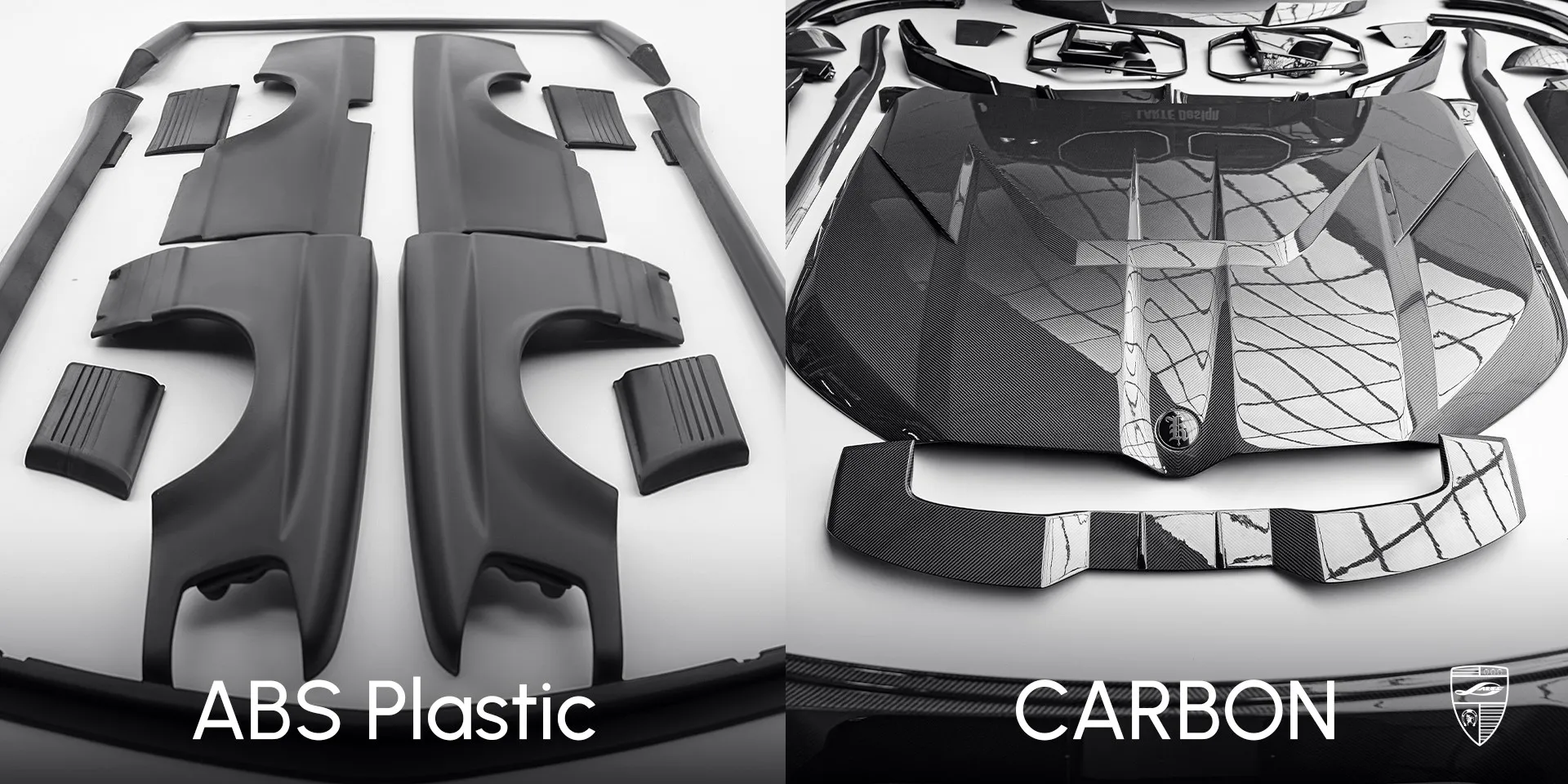
ABS (Acrylonitrile butadiene styrene) is a common thermoplastic polymer widely used in injection molding. It is cheaper than carbon fiber, strong enough for exterior parts, and easily painted. In the automotive industry, ABS plastic is used for spoilers and side skirts, offering affordability with adequate durability.
ABS (Acrylonitrile butadiene styrene) is a common thermoplastic polymer widely used in injection molding. It is cheaper than carbon fiber, strong enough for exterior parts, and easily painted. In the automotive industry, ABS plastic is used for spoilers and side skirts, offering affordability with adequate durability.
Weight and performance advantages
Weight and performance advantages
Weight strongly affects vehicle handling and overall performance. Carbon fiber is prized for its lightweight properties and superior strength-to-weight ratio. A front splitter made from carbon fiber contributes to better weight distribution, reduced drag, and aerodynamic benefits that enhance speed and efficiency.
ABS plastic, while durable, adds mass. The extra weight reduces fuel efficiency and limits vehicle dynamics. For car enthusiasts and performance enthusiasts, reduced weight translates to improved performance without compromising durability.
Carbon fiber delivers sharper driving dynamics, smoother cornering, and higher responsiveness. This makes it the preferred choice for serious vehicle modifications aimed at efficiency, speed, and handling. ABS splitters can improve airflow, but their added weight often harms overall driving dynamics.
Weight strongly affects vehicle handling and overall performance. Carbon fiber is prized for its lightweight properties and superior strength-to-weight ratio. A front splitter made from carbon fiber contributes to better weight distribution, reduced drag, and aerodynamic benefits that enhance speed and efficiency.
ABS plastic, while durable, adds mass. The extra weight reduces fuel efficiency and limits vehicle dynamics. For car enthusiasts and performance enthusiasts, reduced weight translates to improved performance without compromising durability.
Carbon fiber delivers sharper driving dynamics, smoother cornering, and higher responsiveness. This makes it the preferred choice for serious vehicle modifications aimed at efficiency, speed, and handling. ABS splitters can improve airflow, but their added weight often harms overall driving dynamics.
Comparison of ABS plastic vs carbon fiber durability
Comparison of ABS plastic vs carbon fiber durability
Durability and strength define how materials perform in real use. Carbon fiber offers high tensile strength, rigidity, and stability in high-performance applications. It is also fatigue resistant, maintaining stability and tensile strength even under repeated loads in long-term automotive use. It resists heat, sunlight, and adverse weather conditions, giving long lifespan and reliability. Under extreme impact, carbon fiber tends to crack rather than bend, yet its rigidity ensures maximum stability.
ABS plastic delivers flexibility and impact resistance suited for daily-driven vehicles. A front splitter made of ABS can absorb minor bumps, scrapes, and contact with curbs or speed bumps. This flexibility makes it practical for urban driving. However, ABS is prone to warping, fading, and cracking under extreme temperatures and long exposure to sunlight.
For everyday driving, ABS provides affordable resilience. For vehicle modifications aimed at performance, carbon fiber offers superior durability, rigidity, and investment value.
Durability and strength define how materials perform in real use. Carbon fiber offers high tensile strength, rigidity, and stability in high-performance applications. It is also fatigue resistant, maintaining stability and tensile strength even under repeated loads in long-term automotive use. It resists heat, sunlight, and adverse weather conditions, giving long lifespan and reliability. Under extreme impact, carbon fiber tends to crack rather than bend, yet its rigidity ensures maximum stability.
ABS plastic delivers flexibility and impact resistance suited for daily-driven vehicles. A front splitter made of ABS can absorb minor bumps, scrapes, and contact with curbs or speed bumps. This flexibility makes it practical for urban driving. However, ABS is prone to warping, fading, and cracking under extreme temperatures and long exposure to sunlight.
For everyday driving, ABS provides affordable resilience. For vehicle modifications aimed at performance, carbon fiber offers superior durability, rigidity, and investment value.
Comprehensive quality control methods, including defect detection, dimensional control, and process monitoring, are used to guarantee consistent manufacturing excellence and reliability improvement.
Comprehensive quality control methods, including defect detection, dimensional control, and process monitoring, are used to guarantee consistent manufacturing excellence and reliability improvement.
Aerodynamic efficiency
Aerodynamic efficiency
Carbon fiber body kits maximize aerodynamics through their lightweight nature and ability to form intricate shapes. Components such as aerodynamic body kits enhance visual appeal while optimizing airflow, creating real drag reduction. These improvements boost fuel efficiency, performance, and top-end speed, giving enthusiasts both style and substance.
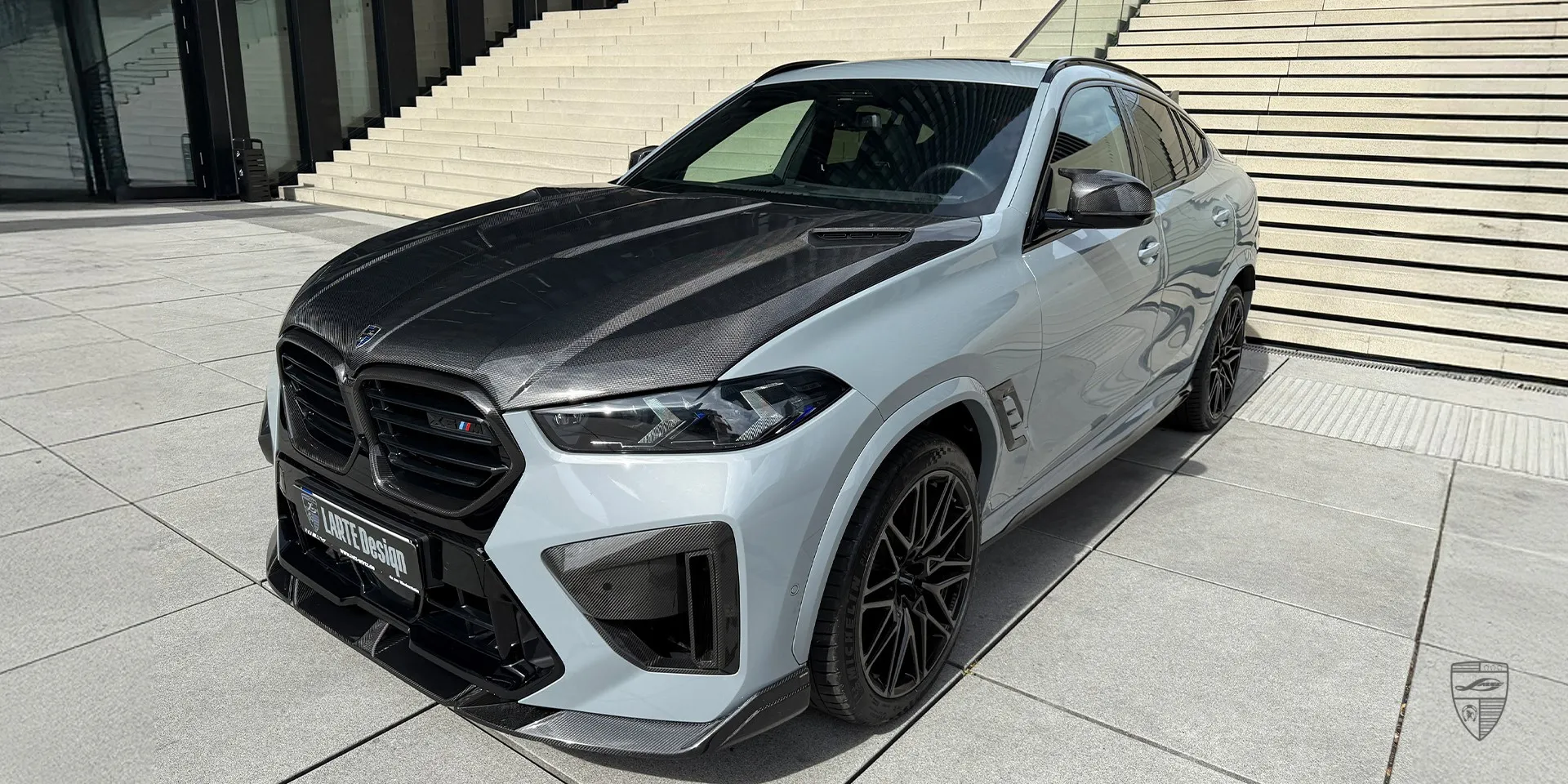
For our client Sevkan from Germany, we developed a
full carbon body kit for the 2026 BMW X6M Facelift, combining striking design with measurable aerodynamic improvements. He highlighted the precise fitment, flawless hood geometry, and the car’s wider, more stable stance after installation — results that perfectly demonstrate how aerodynamics meet artistry in LARTE Design projects.
For our client Sevkan from Germany, we developed a full carbon body kit for the 2026 BMW X6M Facelift, combining striking design with measurable aerodynamic improvements. He highlighted the precise fitment, flawless hood geometry, and the car’s wider, more stable stance after installation — results that perfectly demonstrate how aerodynamics meet artistry in LARTE Design projects.
Temperature resistance
Temperature resistance
ABS plastic can warp or deform under extreme temperatures, reducing part integrity. Carbon fiber remains stable, resilient, and dimensionally secure, offering superior temperature resistance. For car parts exposed to engine heat and diverse weather conditions, this stability ensures long-lasting strength in vehicle modifications.
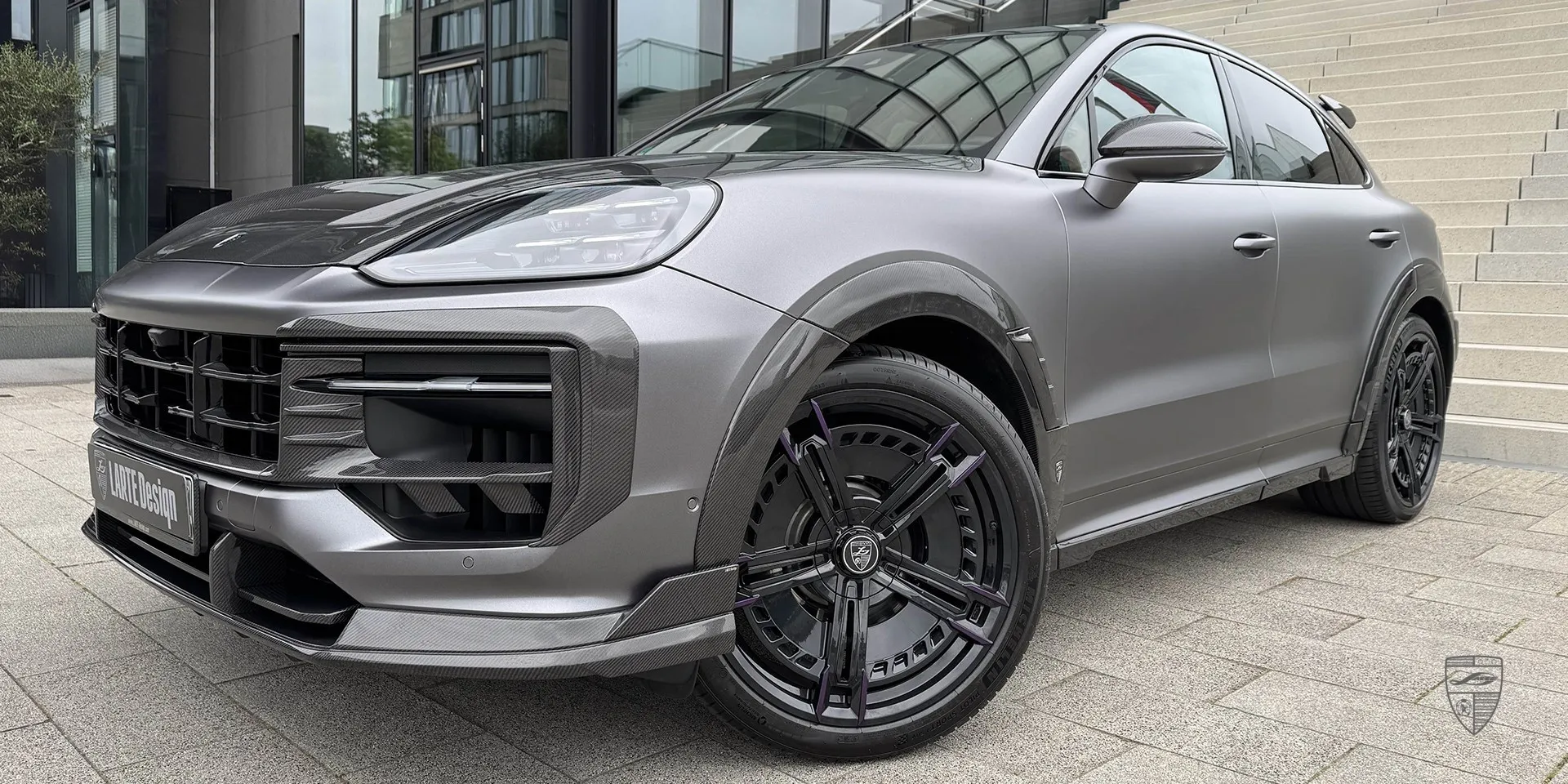
For our client Victor from Belgium, who upgraded his vehicle with a
full body kit for 2025 Porsche Cayenne S Coupe in gloss-black carbon, this precision and durability made all the difference. He noted the perfect fitment, deep gloss, and flawless surface quality, emphasizing how the material retained its sleek appearance even under variable European weather conditions. Discover more in the
2025 Porsche Cayenne S Coupe Victor’s Story.
For our client Victor from Belgium, who upgraded his vehicle with a full body kit for 2025 Porsche Cayenne S Coupe in gloss-black carbon, this precision and durability made all the difference. He noted the perfect fitment, deep gloss, and flawless surface quality, emphasizing how the material retained its sleek appearance even under variable European weather conditions. Discover more in the 2025 Porsche Cayenne S Coupe Victor’s Story.
Visual appeal and customization
Visual appeal and customization
Car enthusiasts often value both performance and design. Aftermarket body kits made from carbon fiber deliver strong performance benefits while enhancing visual appeal. The material’s sleek, high-tech appearance adds sophistication and aesthetic appeal. Versatile customization options—various finishes, styles, and looks tailored to individual preferences — make carbon fiber the first choice for those seeking both exclusivity and impact.
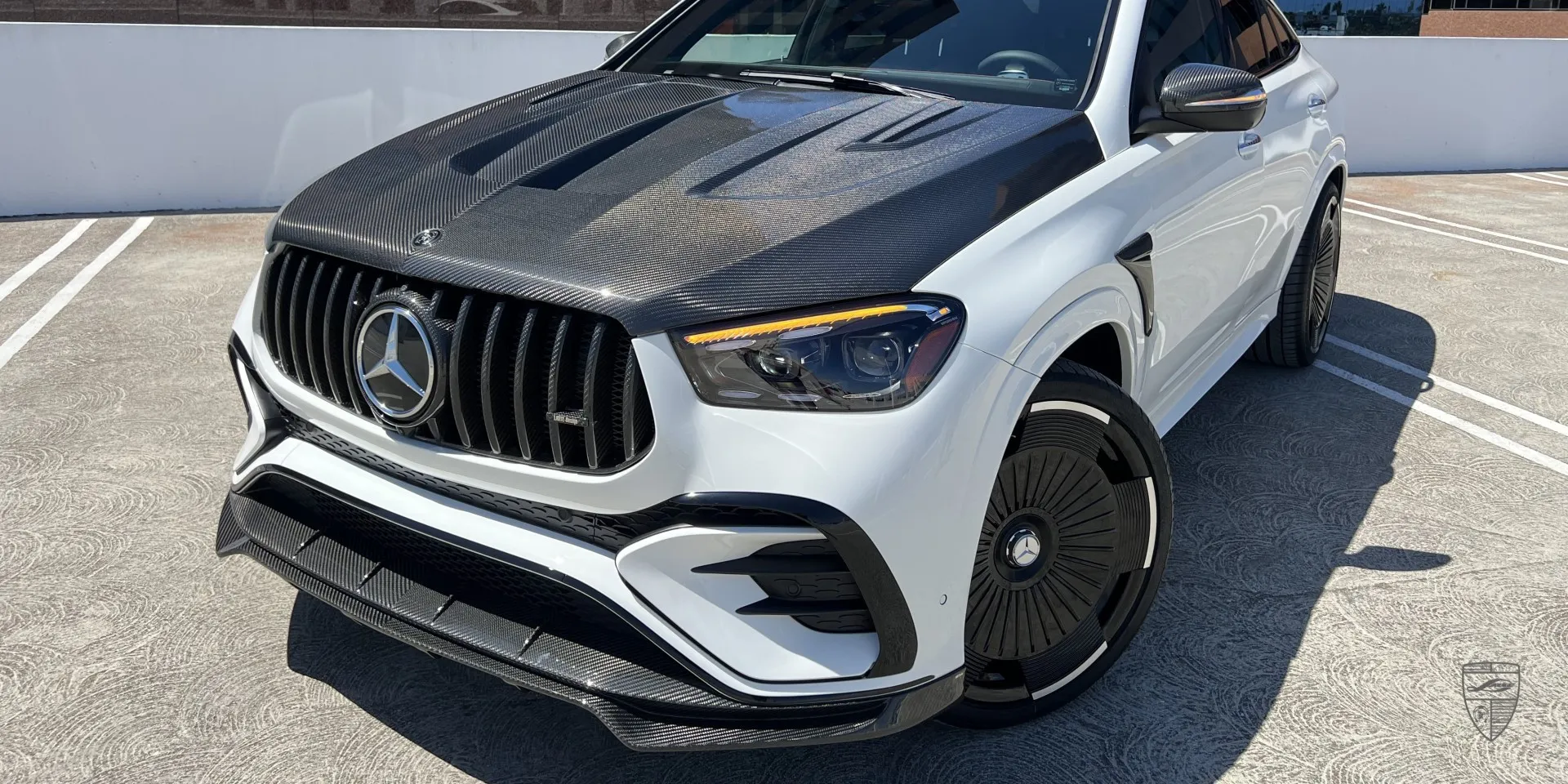
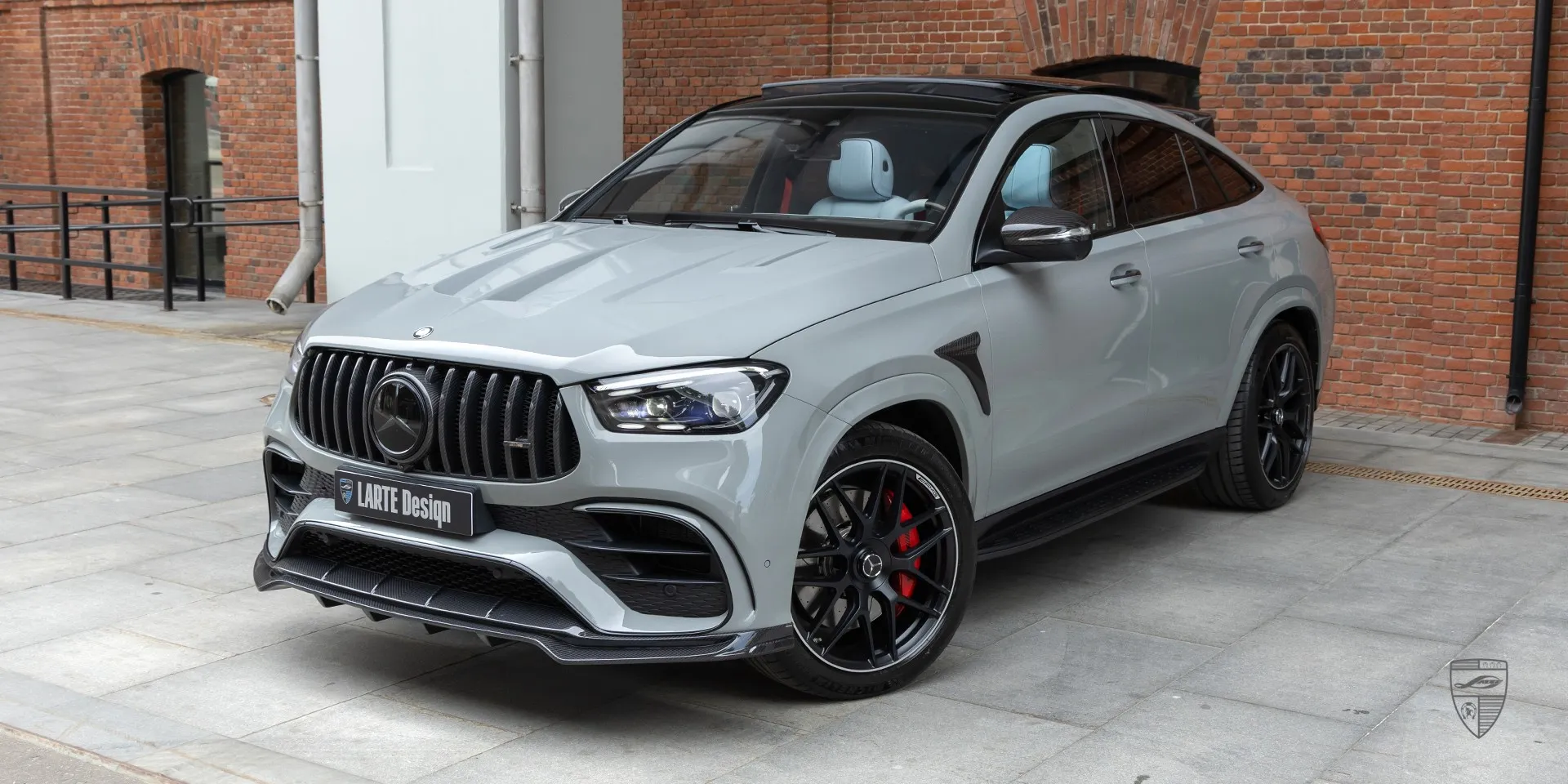
For our client Robert from the Netherlands, customization became a deeply personal experience. He commissioned a Mercedes-Benz in Brooklyn Grey, enhanced with a full carbon fiber
AMG GLE Coupé 63S Facelift body kit and a body-colored hood for perfect visual harmony. The result combined elegance, balance, and sportiness, creating a refined design that looked factory-built yet unmistakably individual. Read Robert’s full story in our
Mercedes-Benz GLE Coupé 63S AMG Real Customer Story.
For our client Robert from the Netherlands, customization became a deeply personal experience. He commissioned a Mercedes-Benz in Brooklyn Grey, enhanced with a full carbon fiber AMG GLE Coupé 63S Facelift body kit and a body-colored hood for perfect visual harmony. The result combined elegance, balance, and sportiness, creating a refined design that looked factory-built yet unmistakably individual. Read Robert’s full story in our Mercedes-Benz GLE Coupé 63S AMG Real Customer Story.
Cons of carbon fiber composites
Cons of carbon fiber composites
Carbon fiber has limits compared to traditional materials. It is expensive and demands a high skill level plus specialized tooling to produce strong structural materials. These factors raise costs for manufacturers and buyers.
Carbon fiber has limits compared to traditional materials. It is expensive and demands a high skill level plus specialized tooling to produce strong structural materials. These factors raise costs for manufacturers and buyers.
What are the disadvantages of ABS plastic?
What are the disadvantages of ABS plastic?
ABS plastic offers affordability, yet it has technical and environmental weaknesses that limit its use in high-performance automotive applications. Understanding these ABS plastic disadvantages is essential for car builders and enthusiasts.
ABS plastic offers affordability, yet it has technical and environmental weaknesses that limit its use in high-performance automotive applications. Understanding these ABS plastic disadvantages is essential for car builders and enthusiasts.
In summary, ABS plastic is affordable and widely used, but its low heat resistance, UV vulnerability, flammability, and dimensional instability limit performance. Combined with safety and ecological drawbacks, these ABS plastic disadvantages explain why high-performance applications prefer carbon fiber.
To compare more materials and understand which option is best for your body kit project, read our detailed guide —
How to Choose the Best Material for a Car Body Kit.
To compare more materials and understand which option is best for your body kit project, read our detailed guide — How to Choose the Best Material for a Car Body Kit.
FAQ
FAQ
Is ABS stronger than carbon fiber?
Carbon fiber is generally stronger and more rigid than ABS. It also offers superior heat resistance, lower thermal expansion, and higher visual quality with fewer visible layer lines compared to molded ABS plastic parts.
Why is carbon fiber the best?
Carbon fiber withstands high stress and impact loads, offers long-term durability in extreme conditions, and remains corrosion-resistant, making it the best material for performance-oriented automotive applications.
Is real carbon fiber worth 5-10x the cost for interior trim pieces?
Real carbon fiber costs 5–10x more than ABS alternatives. The price premium is mostly for authenticity and visual depth. For interior trim, the material is less about function and more about value perception.
How do ABS carbon fiber pieces look compared to real carbon fiber?
ABS appearance can mimic woven carbon, but the visual comparison shows differences. Real carbon fiber has depth and light refraction. ABS versions often look flat or printed, especially noticeable under close inspection.
What are common quality issues with budget carbon fiber alternatives?
Budget parts often show quality issues such as poor finish, wrong weave, color mismatch, and thin construction. Common problems include air bubbles, uneven surfaces, and weak adhesion, reducing durability and premium appeal.
Are ABS overlays the same thickness as real carbon fiber?
Thickness matters in overlay dimensions. ABS overlays average 1–2 mm, while real carbon fiber parts are 2–3 mm. This thickness comparison explains why ABS may cause fitment gaps or alignment issues.
Do fake carbon fiber pieces fit as well as genuine ones?
Fitment quality of ABS pieces is usually good since they are molded from OEM patterns. Cheaper parts can create installation fit problems, requiring adjustments or trimming to achieve proper alignment.
How do I avoid low-quality fake carbon fiber pieces?
To avoid quality issues, check suppliers for clear specs, proper thickness, and color guarantees. Use selection tips like requesting samples or photos. Skip ultra-cheap offers to reduce risk of poor parts.
When does it make sense to buy real carbon fiber vs. alternatives?
Decision factors depend on goals. Real carbon fiber fits structural use, weight reduction, or OEM matching. ABS works when cost is priority. Choose based on performance vs aesthetics and when choose authenticity.
How do I decide between cost savings and authenticity?
Decision criteria include budget, detail preference, and visibility. For interior trim, ABS saves money. For exterior or visible areas, authenticity cost makes real carbon fiber worth the investment.
How much more expensive is carbon fiber than ABS?
The cost difference is large. Carbon fiber is 3–5x more. Price comparison shows $200–800 for carbon fiber vs $50–200 for ABS, depending on size and complexity.
Can I install these parts myself?
DIY installation is possible. ABS is simpler. Carbon fiber needs careful handling. With tools and skill, self-installation works. Complex aero kits often require professionals to guarantee safety and proper fitment.
Which material is better for daily driving?
For daily driving and everyday use, ABS offers flexibility, impact resistance, and lower replacement cost. Carbon fiber delivers peak performance, but is less forgiving during curb hits or common street damage.
How do I maintain carbon fiber parts?
Carbon fiber maintenance is simple. Wash with mild soap, avoid abrasives, and apply UV coating yearly. Follow these care instructions to prevent fading. Inspect parts for cracks and fix damage quickly.
Will insurance cover carbon fiber modifications?
Insurance coverage usually excludes aftermarket parts unless declared. Ask about modification coverage before install. Providers may raise premiums or require riders for carbon fiber kits.
Is ABS stronger than carbon fiber?
Carbon fiber is generally stronger and more rigid than ABS. It also offers superior heat resistance, lower thermal expansion, and higher visual quality with fewer visible layer lines compared to molded ABS plastic parts.
Why is carbon fiber the best?
Carbon fiber withstands high stress and impact loads, offers long-term durability in extreme conditions, and remains corrosion-resistant, making it the best material for performance-oriented automotive applications.
Is real carbon fiber worth 5-10x the cost for interior trim pieces?
Real carbon fiber costs 5–10x more than ABS alternatives. The price premium is mostly for authenticity and visual depth. For interior trim, the material is less about function and more about value perception.
How do ABS carbon fiber pieces look compared to real carbon fiber?
ABS appearance can mimic woven carbon, but the visual comparison shows differences. Real carbon fiber has depth and light refraction. ABS versions often look flat or printed, especially noticeable under close inspection.
What are common quality issues with budget carbon fiber alternatives?
Budget parts often show quality issues such as poor finish, wrong weave, color mismatch, and thin construction. Common problems include air bubbles, uneven surfaces, and weak adhesion, reducing durability and premium appeal.
Are ABS overlays the same thickness as real carbon fiber?
Thickness matters in overlay dimensions. ABS overlays average 1–2 mm, while real carbon fiber parts are 2–3 mm. This thickness comparison explains why ABS may cause fitment gaps or alignment issues.
Do fake carbon fiber pieces fit as well as genuine ones?
Fitment quality of ABS pieces is usually good since they are molded from OEM patterns. Cheaper parts can create installation fit problems, requiring adjustments or trimming to achieve proper alignment.
How do I avoid low-quality fake carbon fiber pieces?
To avoid quality issues, check suppliers for clear specs, proper thickness, and color guarantees. Use selection tips like requesting samples or photos. Skip ultra-cheap offers to reduce risk of poor parts.
When does it make sense to buy real carbon fiber vs. alternatives?
Decision factors depend on goals. Real carbon fiber fits structural use, weight reduction, or OEM matching. ABS works when cost is priority. Choose based on performance vs aesthetics and when choose authenticity.
How do I decide between cost savings and authenticity?
Decision criteria include budget, detail preference, and visibility. For interior trim, ABS saves money. For exterior or visible areas, authenticity cost makes real carbon fiber worth the investment.
How much more expensive is carbon fiber than ABS?
The cost difference is large. Carbon fiber is 3–5x more. Price comparison shows $200–800 for carbon fiber vs $50–200 for ABS, depending on size and complexity.
Can I install these parts myself?
DIY installation is possible. ABS is simpler. Carbon fiber needs careful handling. With tools and skill, self-installation works. Complex aero kits often require professionals to guarantee safety and proper fitment.
Which material is better for daily driving?
For daily driving and everyday use, ABS offers flexibility, impact resistance, and lower replacement cost. Carbon fiber delivers peak performance, but is less forgiving during curb hits or common street damage.
How do I maintain carbon fiber parts?
Carbon fiber maintenance is simple. Wash with mild soap, avoid abrasives, and apply UV coating yearly. Follow these care instructions to prevent fading. Inspect parts for cracks and fix damage quickly.
Will insurance cover carbon fiber modifications?
Insurance coverage usually excludes aftermarket parts unless declared. Ask about modification coverage before install. Providers may raise premiums or require riders for carbon fiber kits.
Explore signature carbon body kits by LARTE Design
Explore signature carbon body kits by LARTE Design
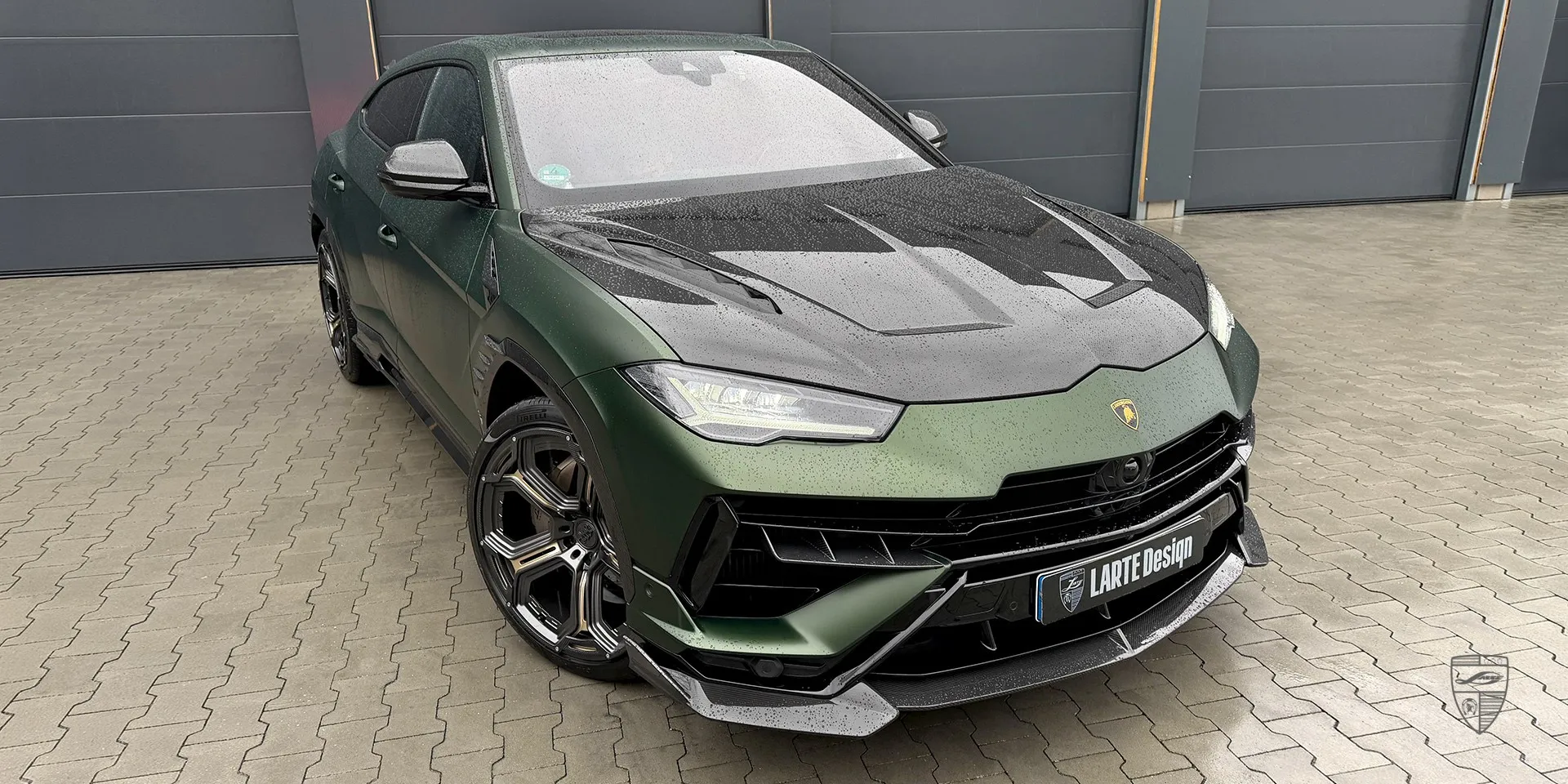
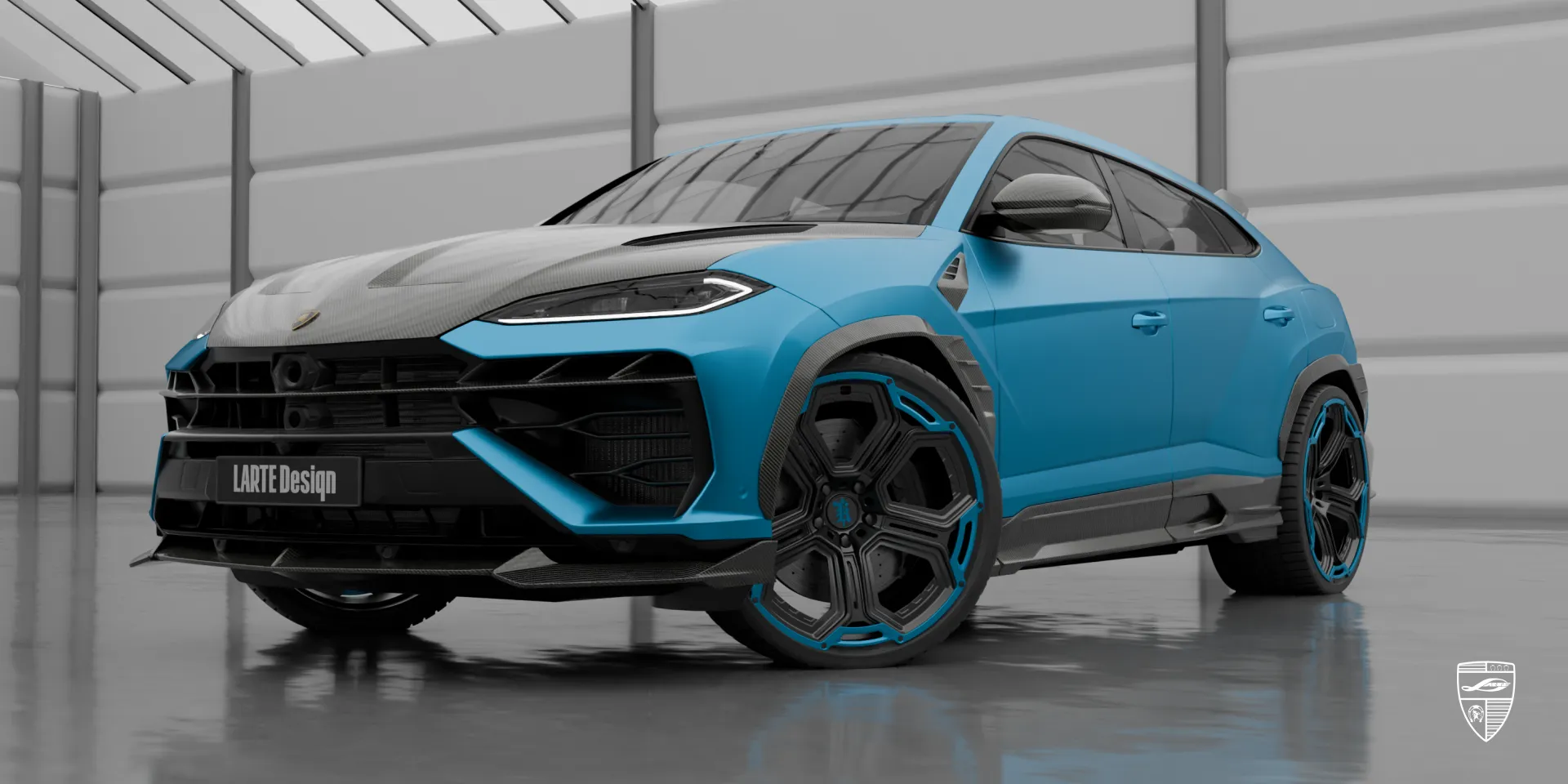
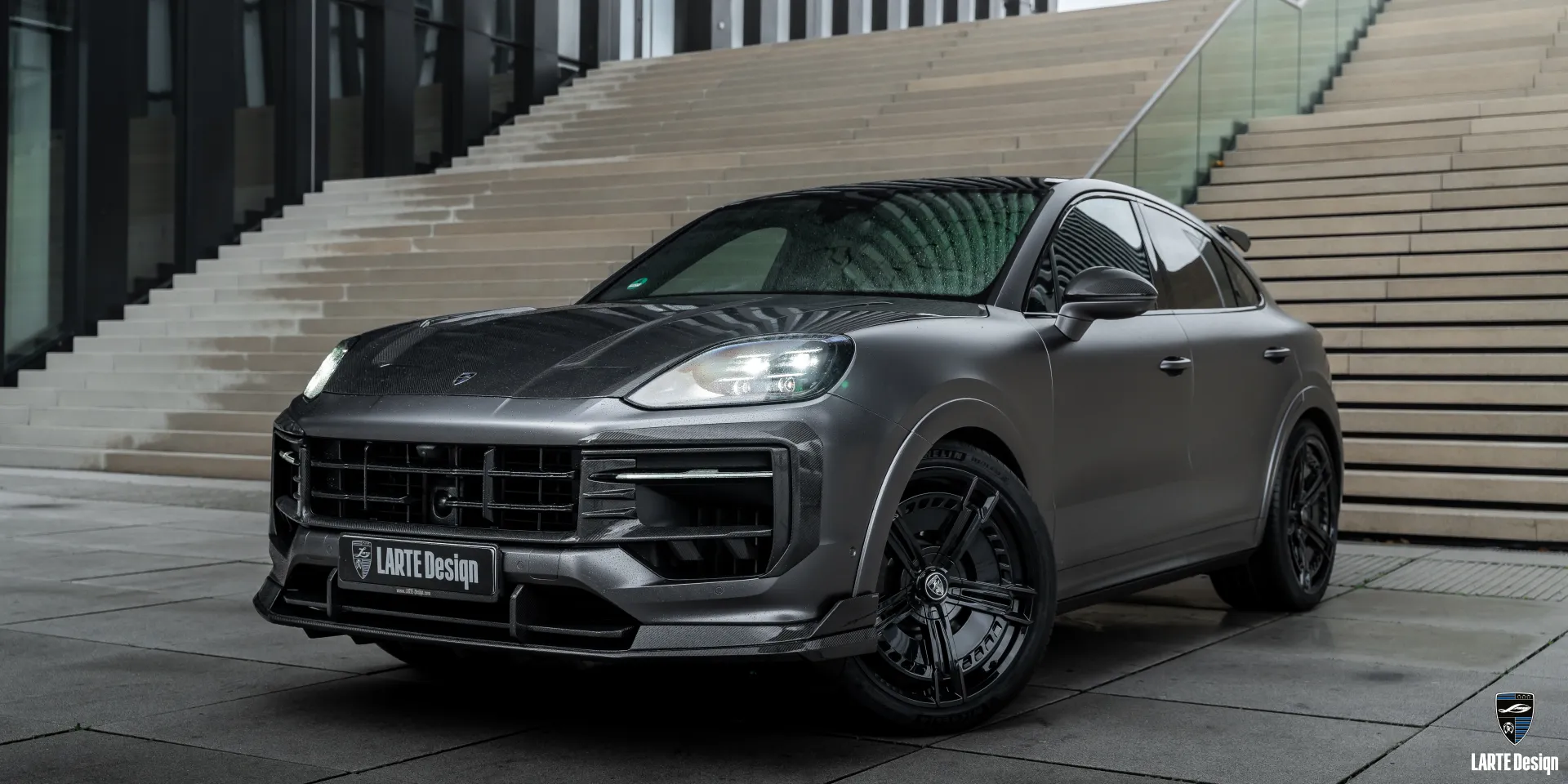
LARTE Design doesn’t follow trends. It refines them. Handcrafted in Germany, these carbon body kits offer OEM-level fitment, TÜV-certified quality, and precise aerodynamics. Real carbon fiber parts. Installation-ready. Built to give your vehicle a stronger, more defined presence — without mass production.
Popular models include:
LARTE Design doesn’t follow trends. It refines them. Handcrafted in Germany, these carbon body kits offer OEM-level fitment, TÜV-certified quality, and precise aerodynamics. Real carbon fiber parts. Installation-ready. Built to give your vehicle a stronger, more defined presence — without mass production.
Popular models include:








 facebook
  instagram
  telegram
  youtube
  pinterest