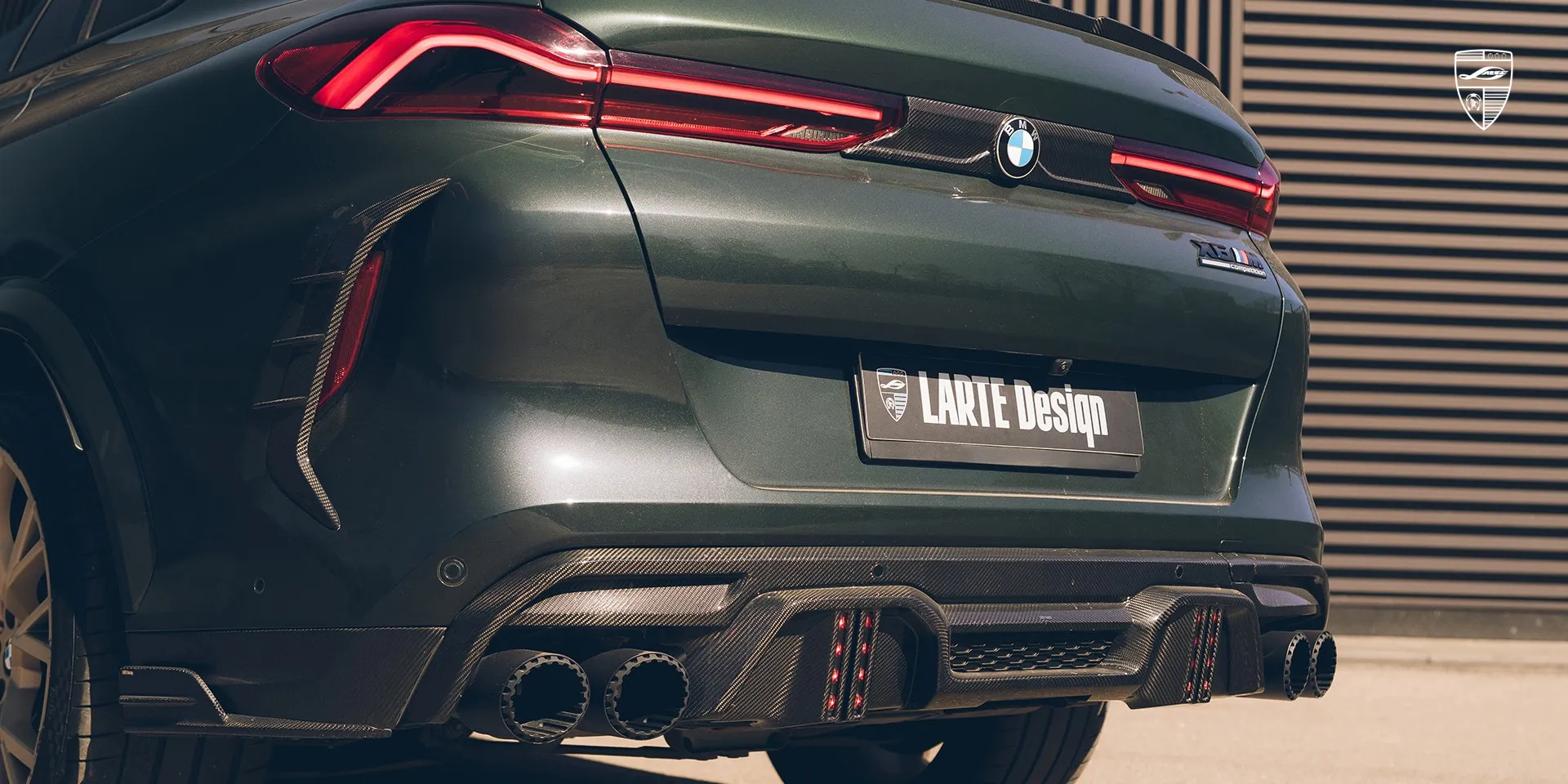
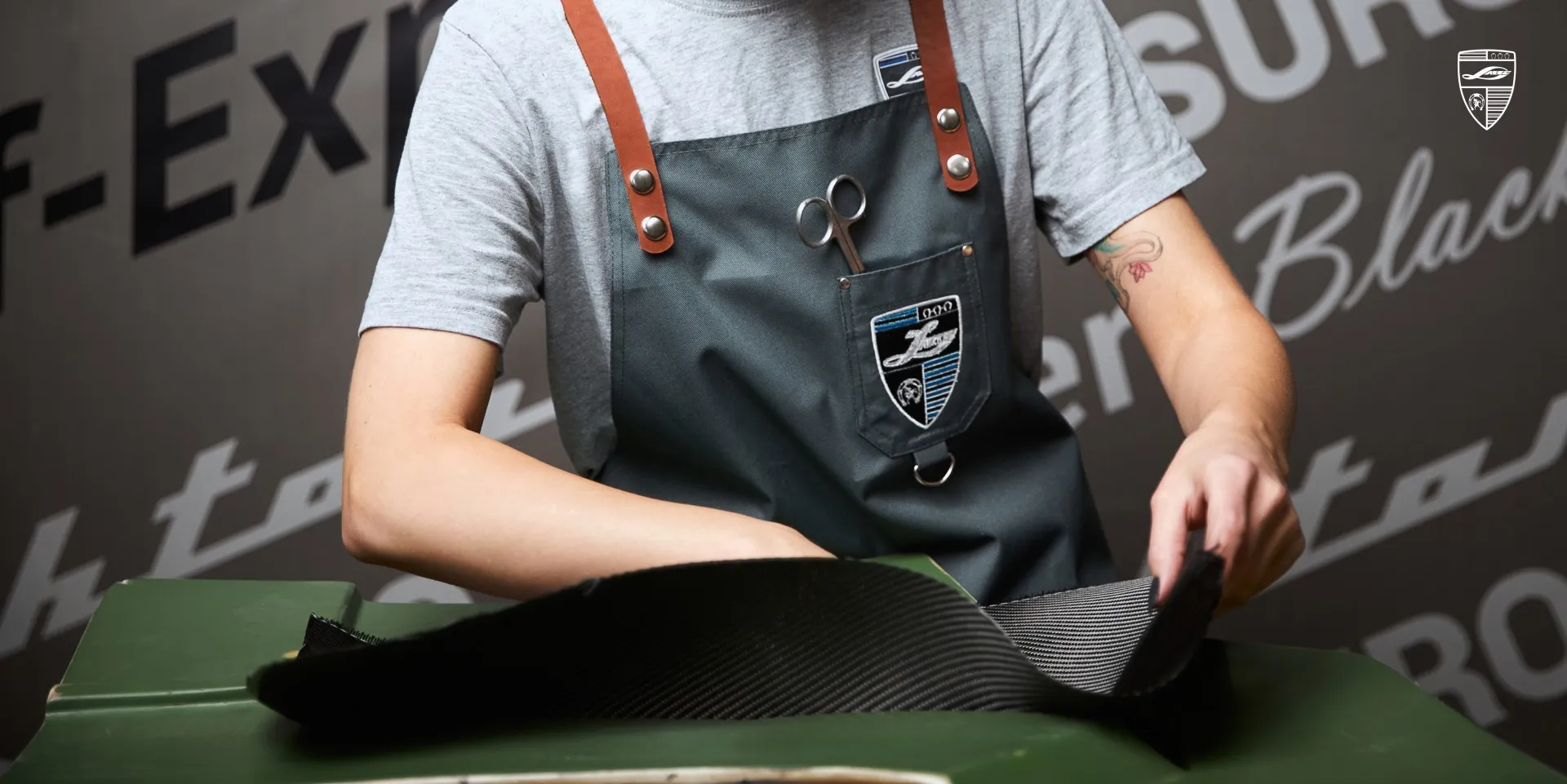
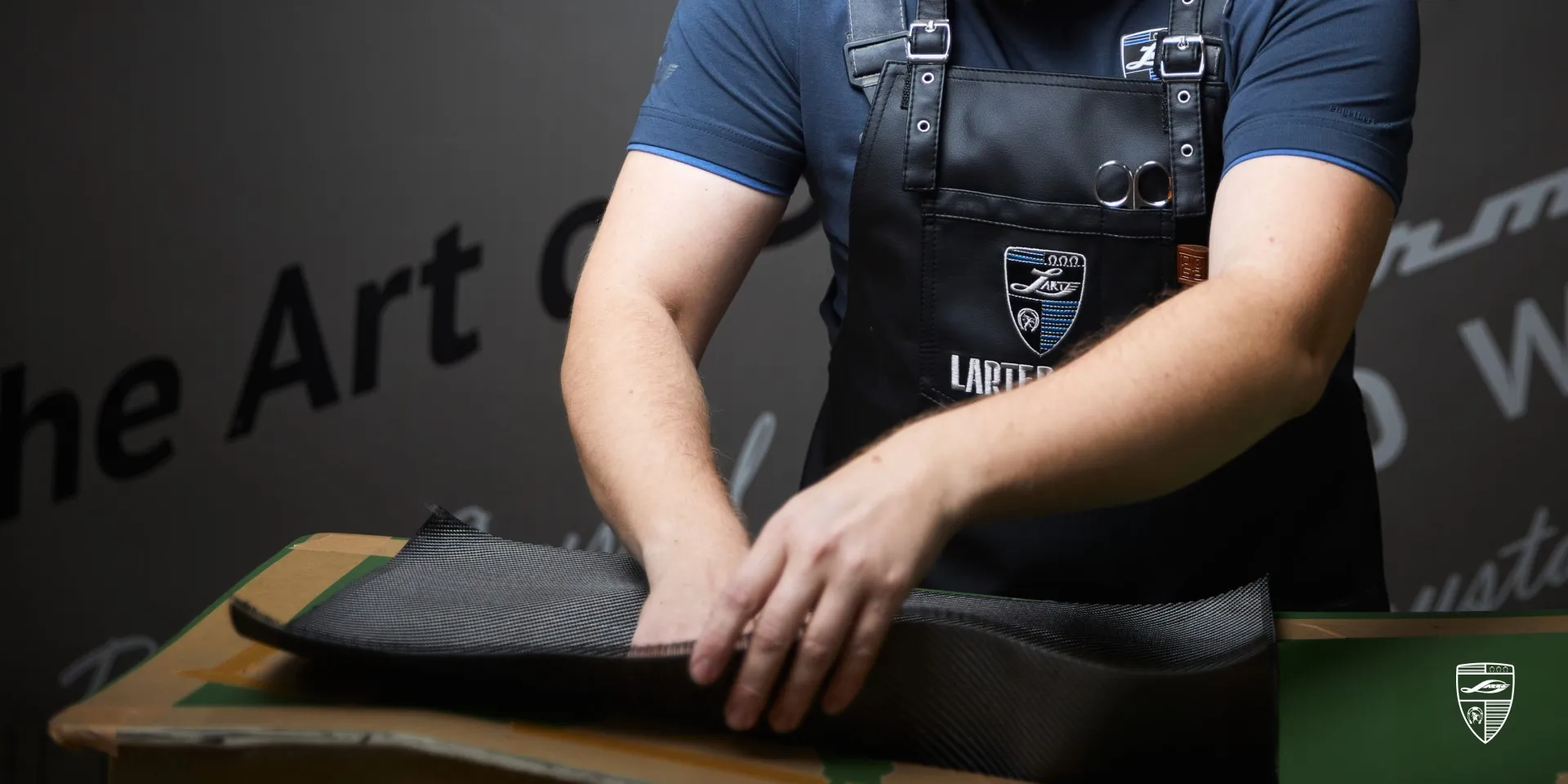
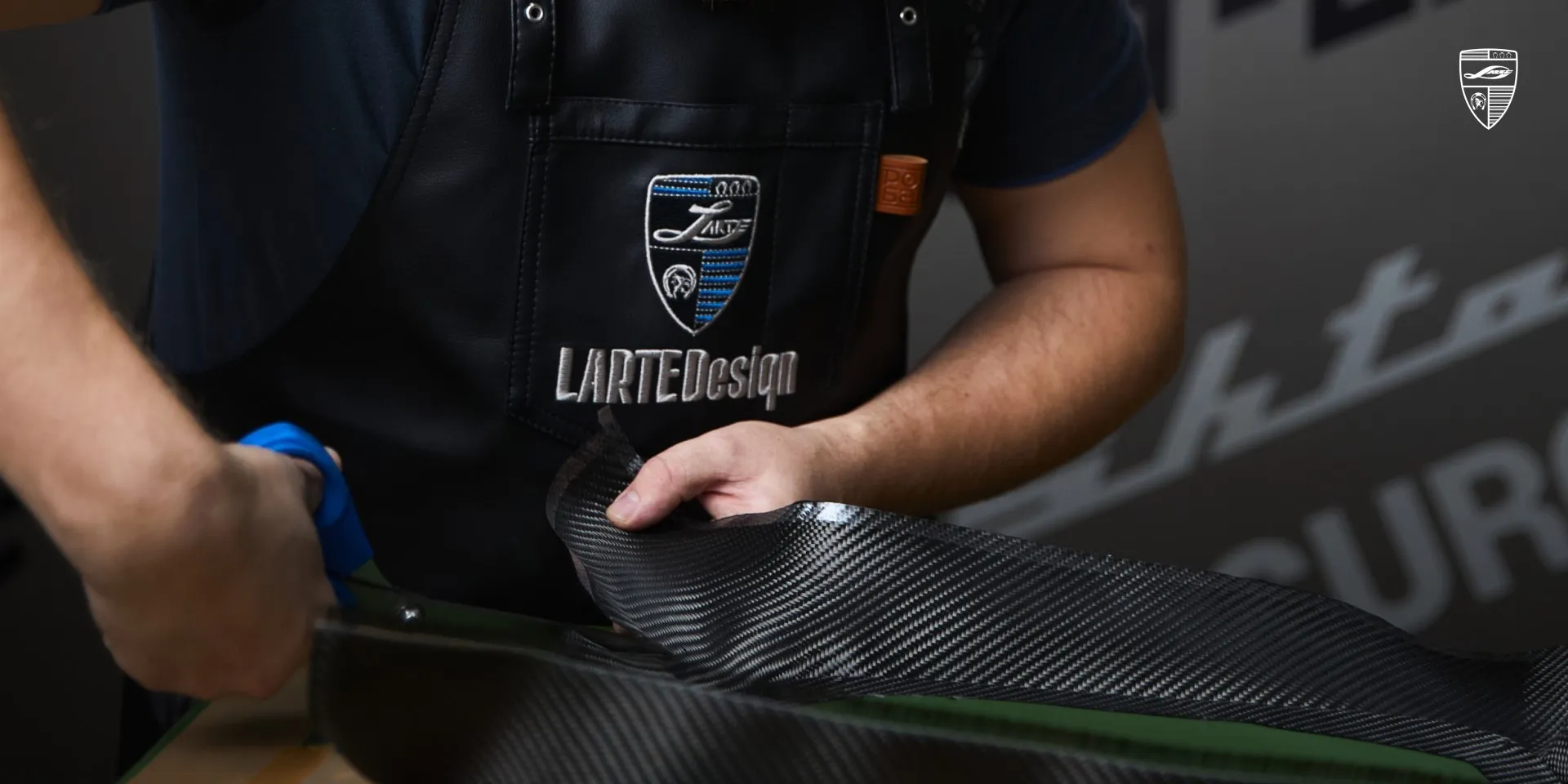
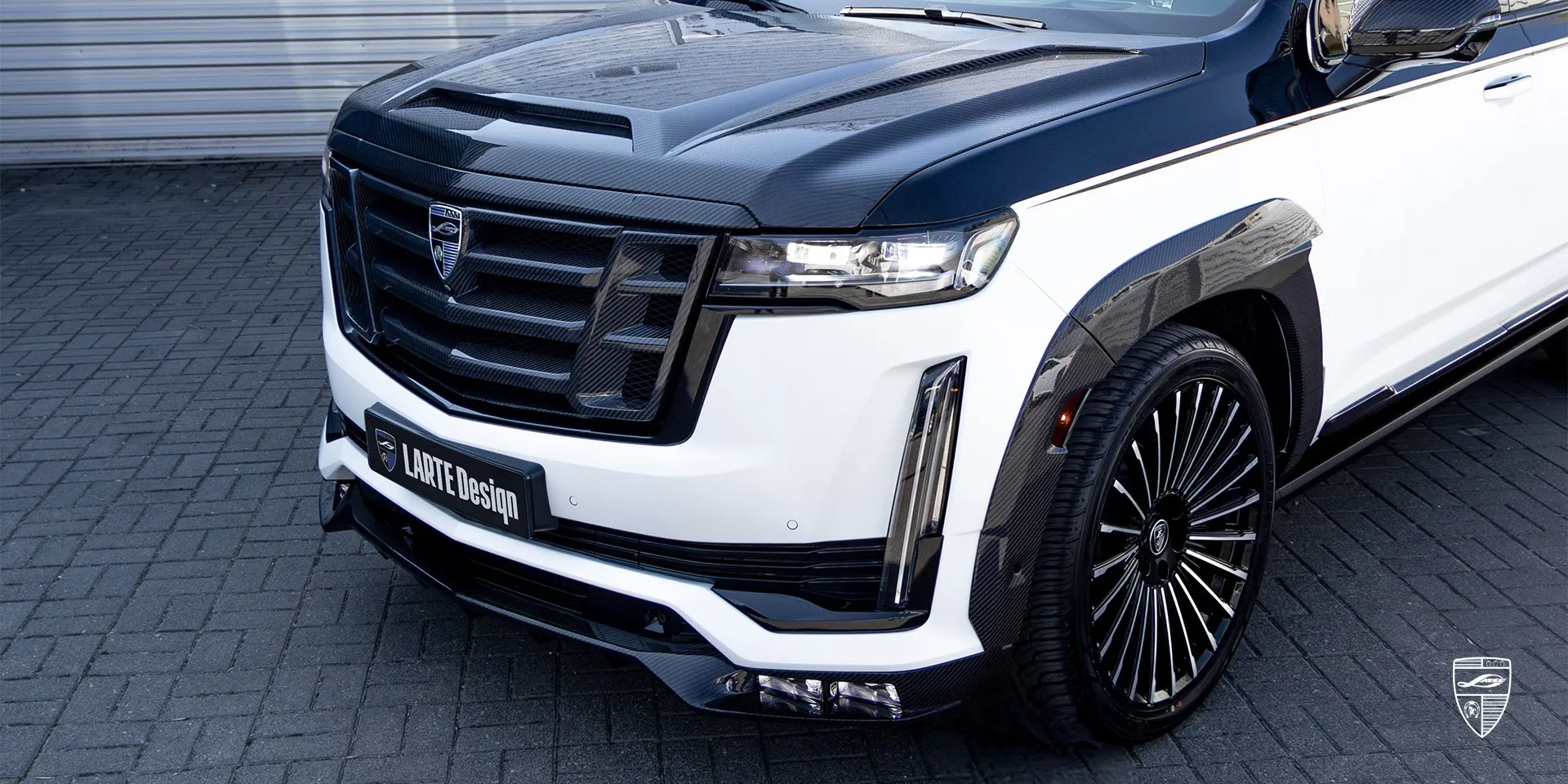
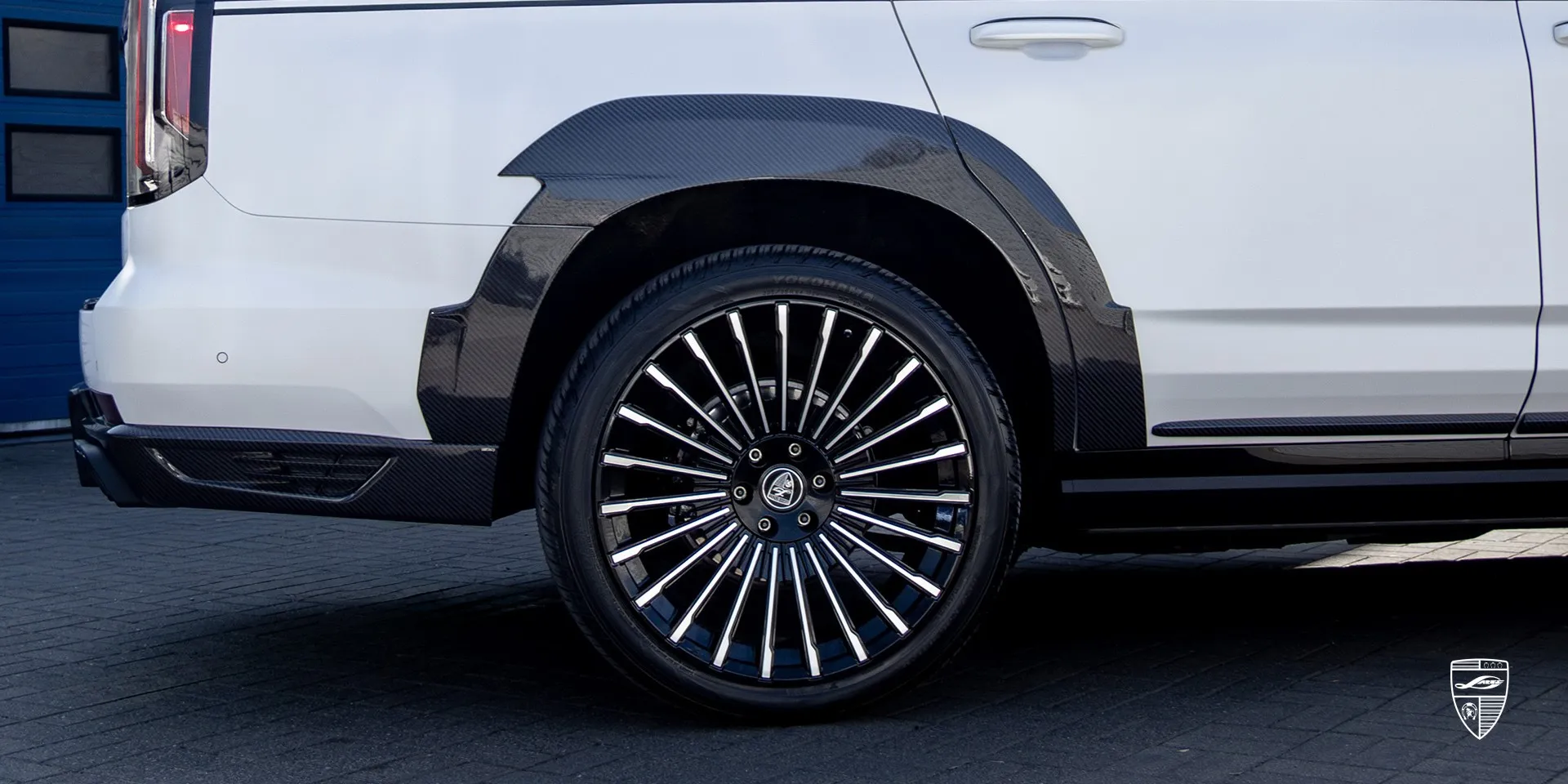
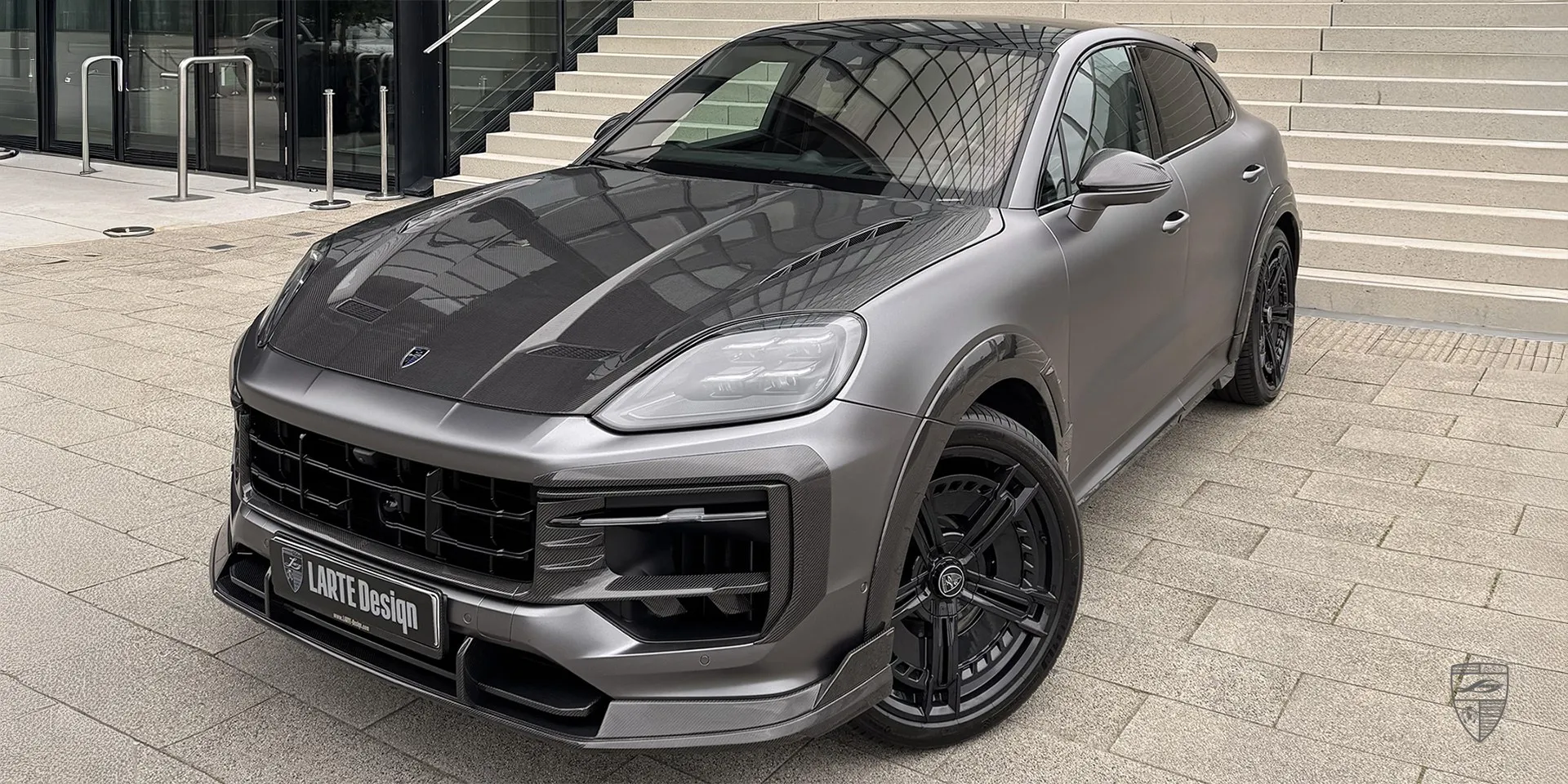
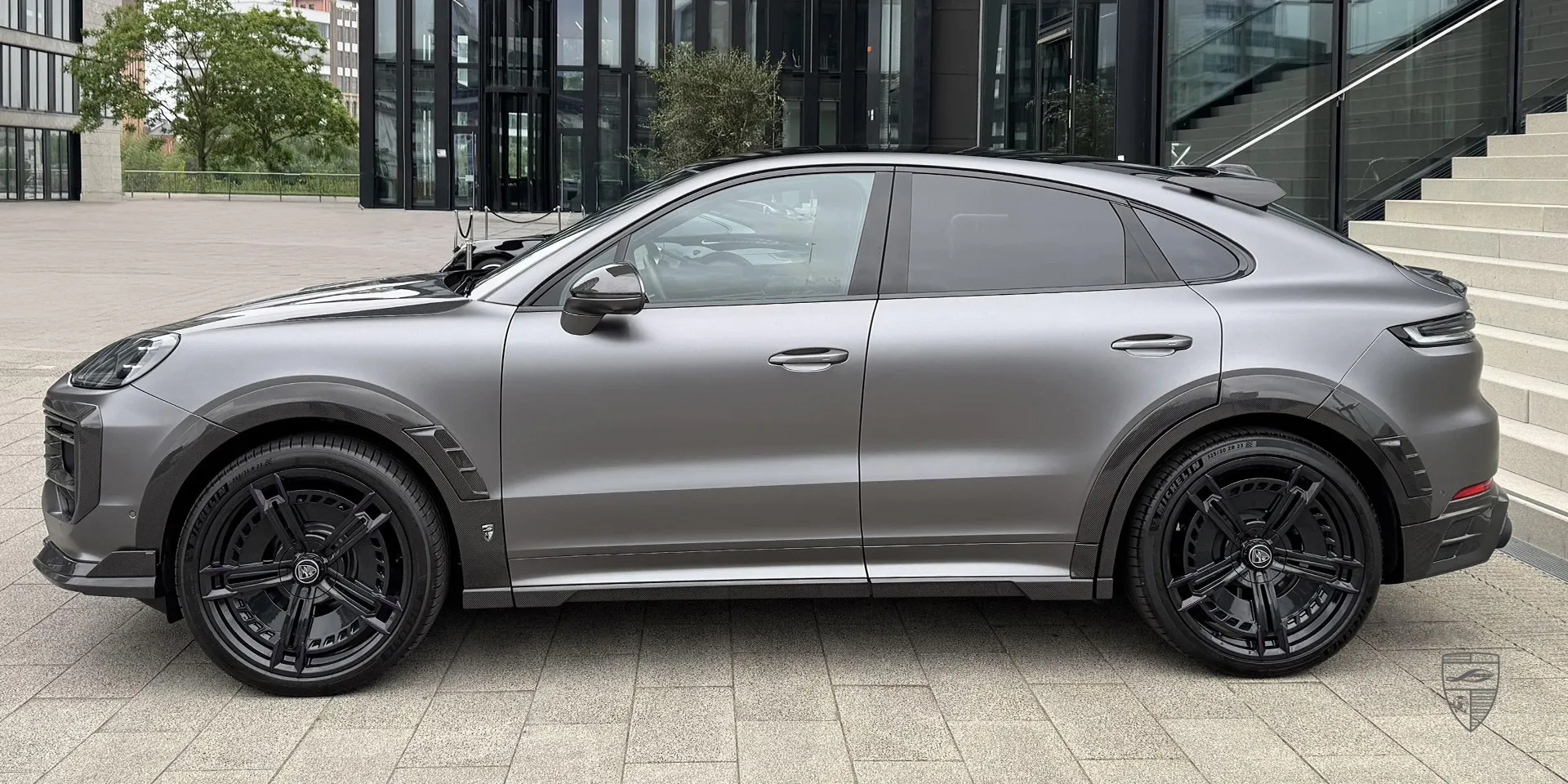
LARTE Design deliberately chooses carbon fiber composite manufacturing based on pre-preg and autoclave technology. Not for complexity, but for control. This approach, rooted in aerospace composite manufacturing, allows carbon fiber to reach its true mechanical potential with predictable results.
Fiber volume fraction and strength-to-weight ratio
Prepreg technology achieves a fiber volume fraction of 60–70%, compared to 45–55% in vacuum infusion. A higher fiber content directly improves the strength-to-weight ratio, delivering lighter parts with higher stiffness and load capacity. This balance is critical for premium carbon body kits exposed to dynamic forces.
Void content and structural integrity
Thanks to autoclave pressure, prepreg laminates reach void content below 1%, while vacuum infusion typically results in 2–5% porosity. Even small increases in porosity can reduce interlaminar shear strength by 15–30%, affecting long-term durability and safety.
Dimensional accuracy and repeatability
Autoclave curing provides exceptional dimensional accuracy, typically within ±0.1 mm batch to batch. Infusion-based processes often vary ±0.3–0.5 mm due to environmental and process variables. For OEM-level components, such repeatability is non-negotiable.
Mechanical properties and long-term stability
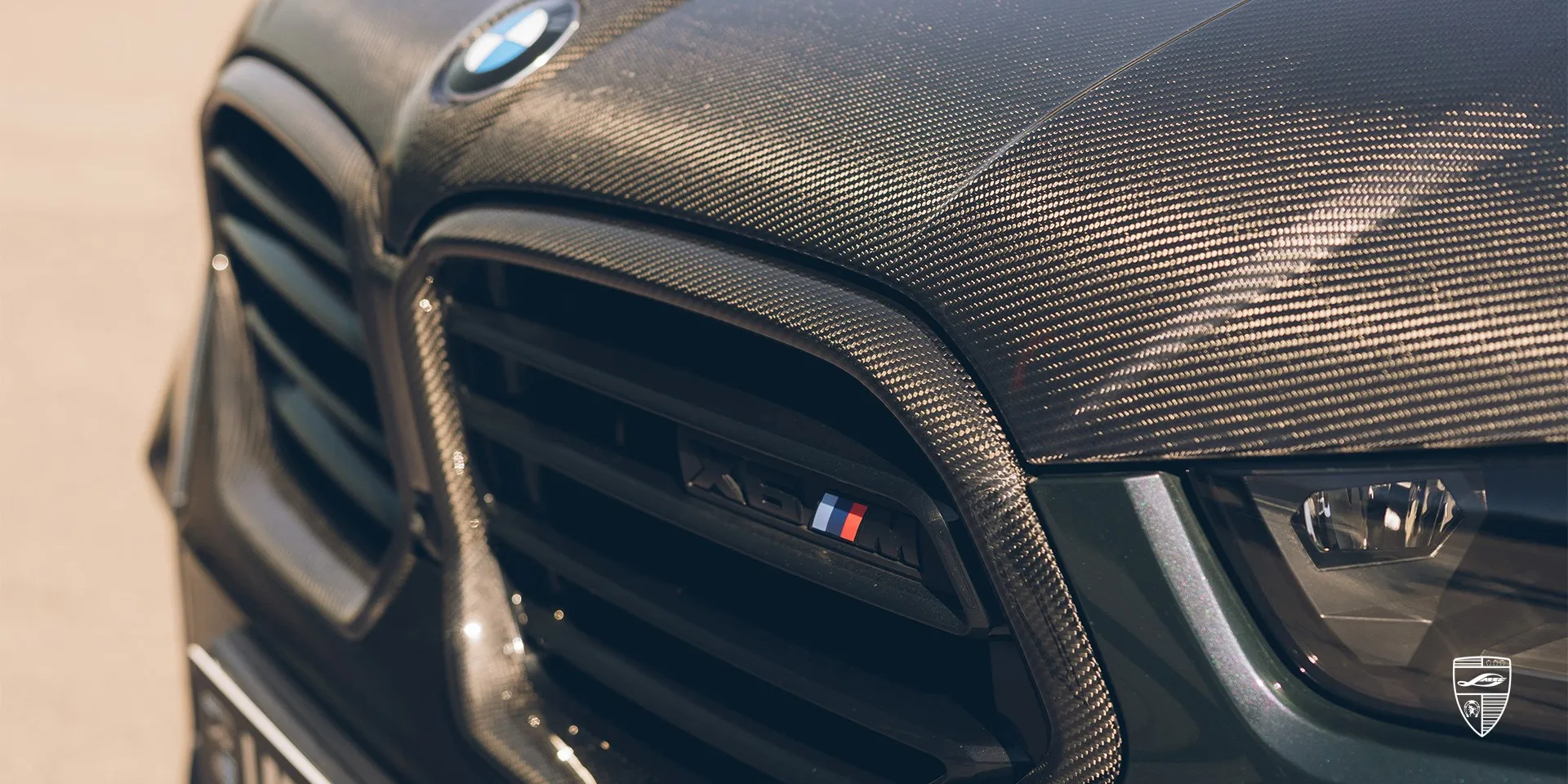
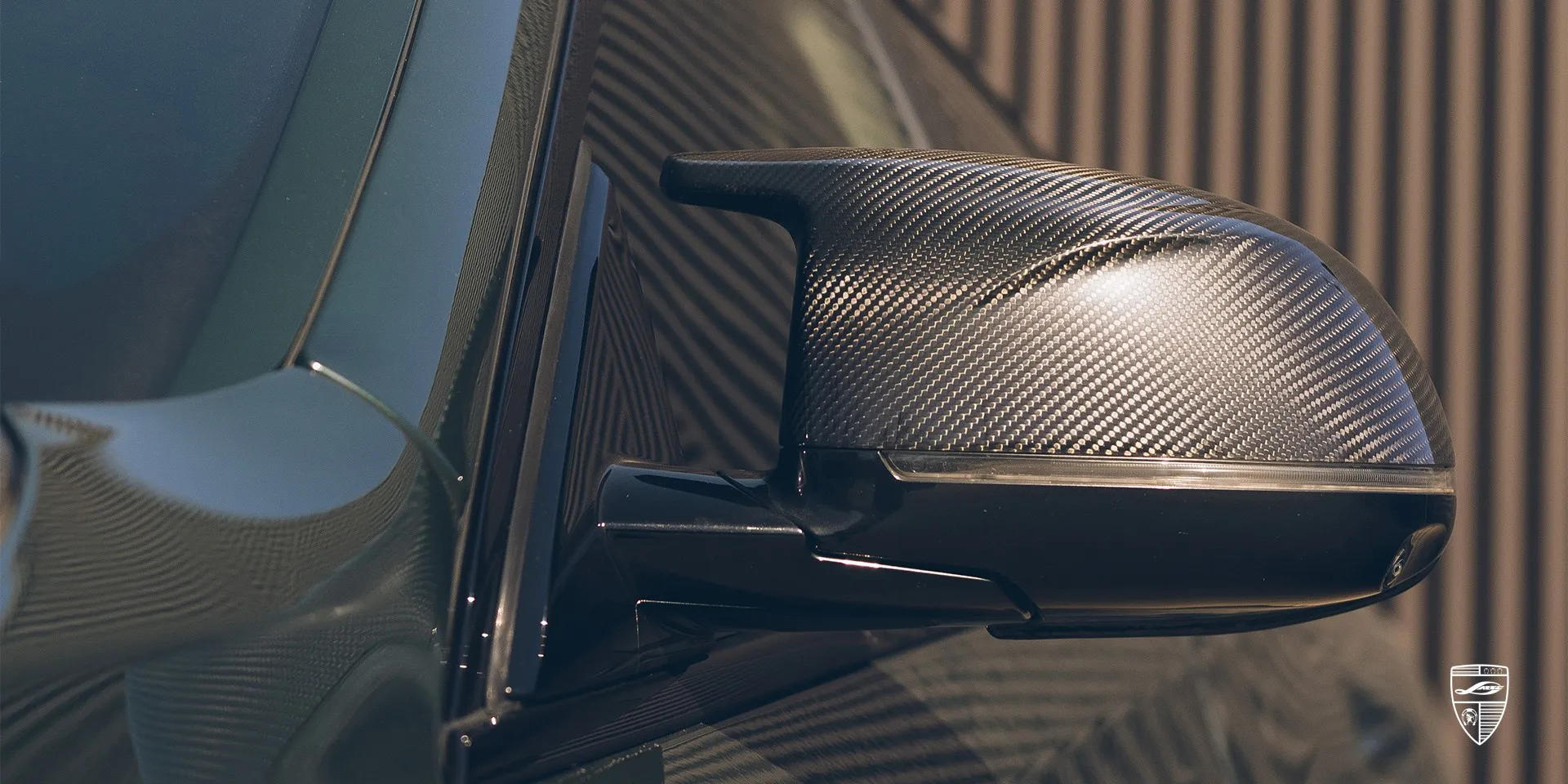
Prepreg carbon parts show 15–20% higher tensile strength and 25–35% higher compression strength compared to infused laminates. Combined with superior surface finish and low porosity, this ensures long-term stability under real driving conditions.
This is why aerospace and OEM automotive manufacturers rely on prepreg—and why LARTE Design uses it to deliver OEM-level carbon fiber quality.
LARTE Design deliberately chooses carbon fiber composite manufacturing based on pre-preg and autoclave technology. Not for complexity, but for control. This approach, rooted in aerospace composite manufacturing, allows carbon fiber to reach its true mechanical potential with predictable results.
Fiber volume fraction and strength-to-weight ratio
Prepreg technology achieves a fiber volume fraction of 60–70%, compared to 45–55% in vacuum infusion. A higher fiber content directly improves the strength-to-weight ratio, delivering lighter parts with higher stiffness and load capacity. This balance is critical for premium carbon body kits exposed to dynamic forces.
Void content and structural integrity
Thanks to autoclave pressure, prepreg laminates reach void content below 1%, while vacuum infusion typically results in 2–5% porosity. Even small increases in porosity can reduce interlaminar shear strength by 15–30%, affecting long-term durability and safety.
Dimensional accuracy and repeatability
Autoclave curing provides exceptional dimensional accuracy, typically within ±0.1 mm batch to batch. Infusion-based processes often vary ±0.3–0.5 mm due to environmental and process variables. For OEM-level components, such repeatability is non-negotiable.
Mechanical properties and long-term stability
Prepreg carbon parts show 15–20% higher tensile strength and 25–35% higher compression strength compared to infused laminates. Combined with superior surface finish and low porosity, this ensures long-term stability under real driving conditions.
This is why aerospace and OEM automotive manufacturers rely on prepreg—and why LARTE Design uses it to deliver OEM-level carbon fiber quality.














 facebook
  instagram
  telegram
  youtube
  pinterest