Is ABS stronger than carbon fiber?
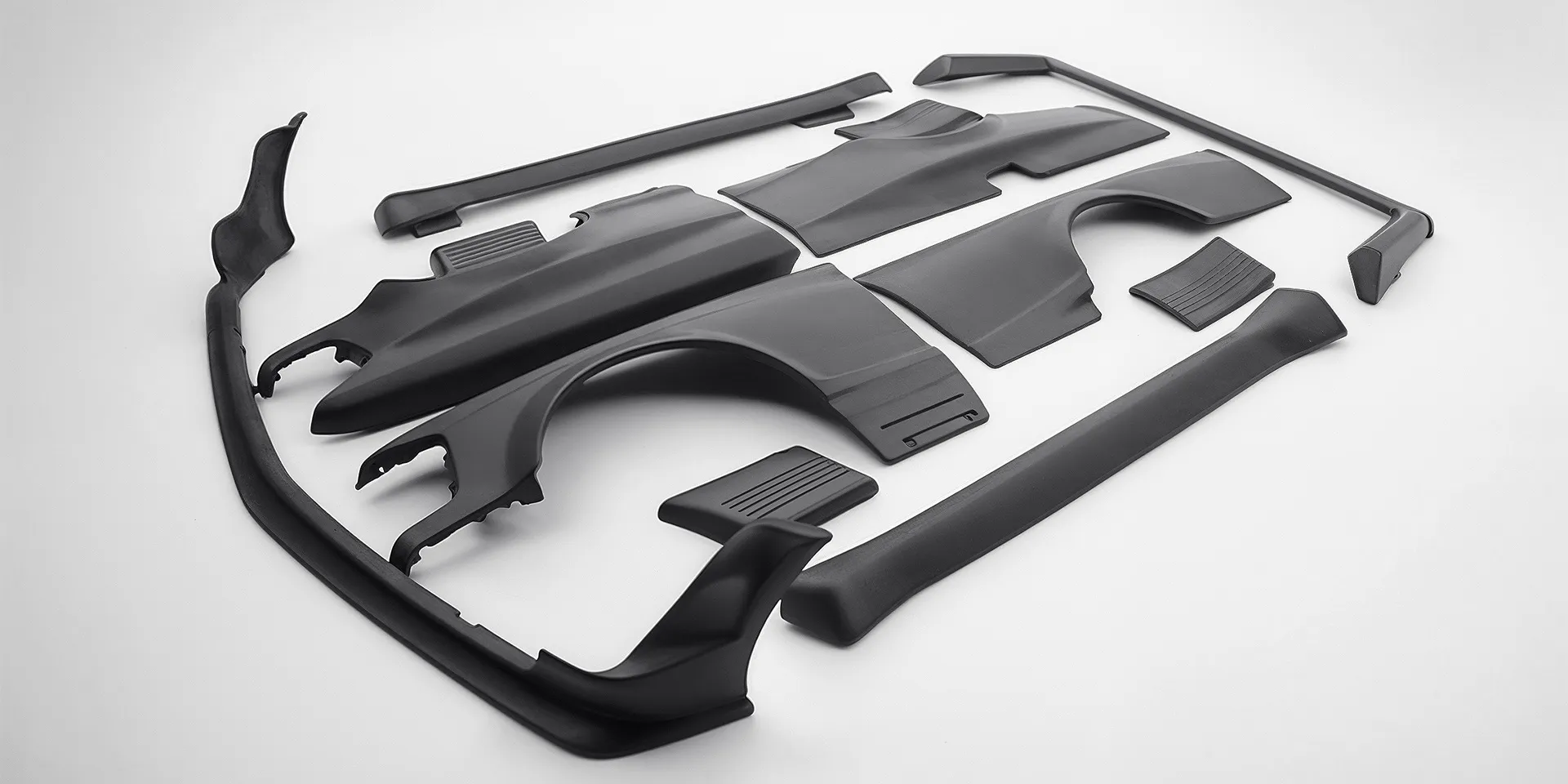
Carbon fiber is generally stronger and more rigid than ABS. It also offers superior heat resistance, lower thermal expansion, and higher visual quality with fewer visible layer lines compared to molded ABS plastic parts.
Why is carbon fiber the best?
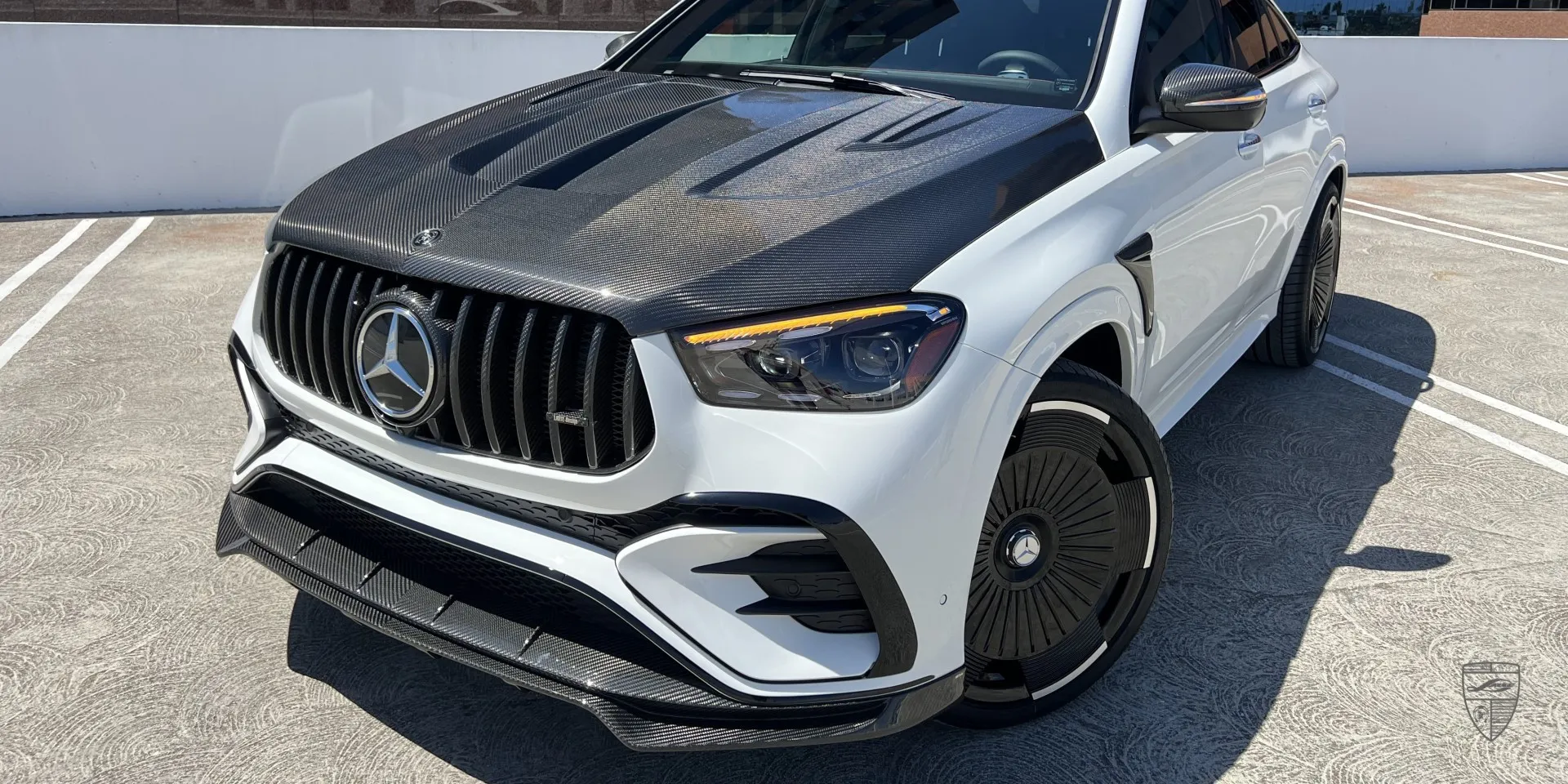
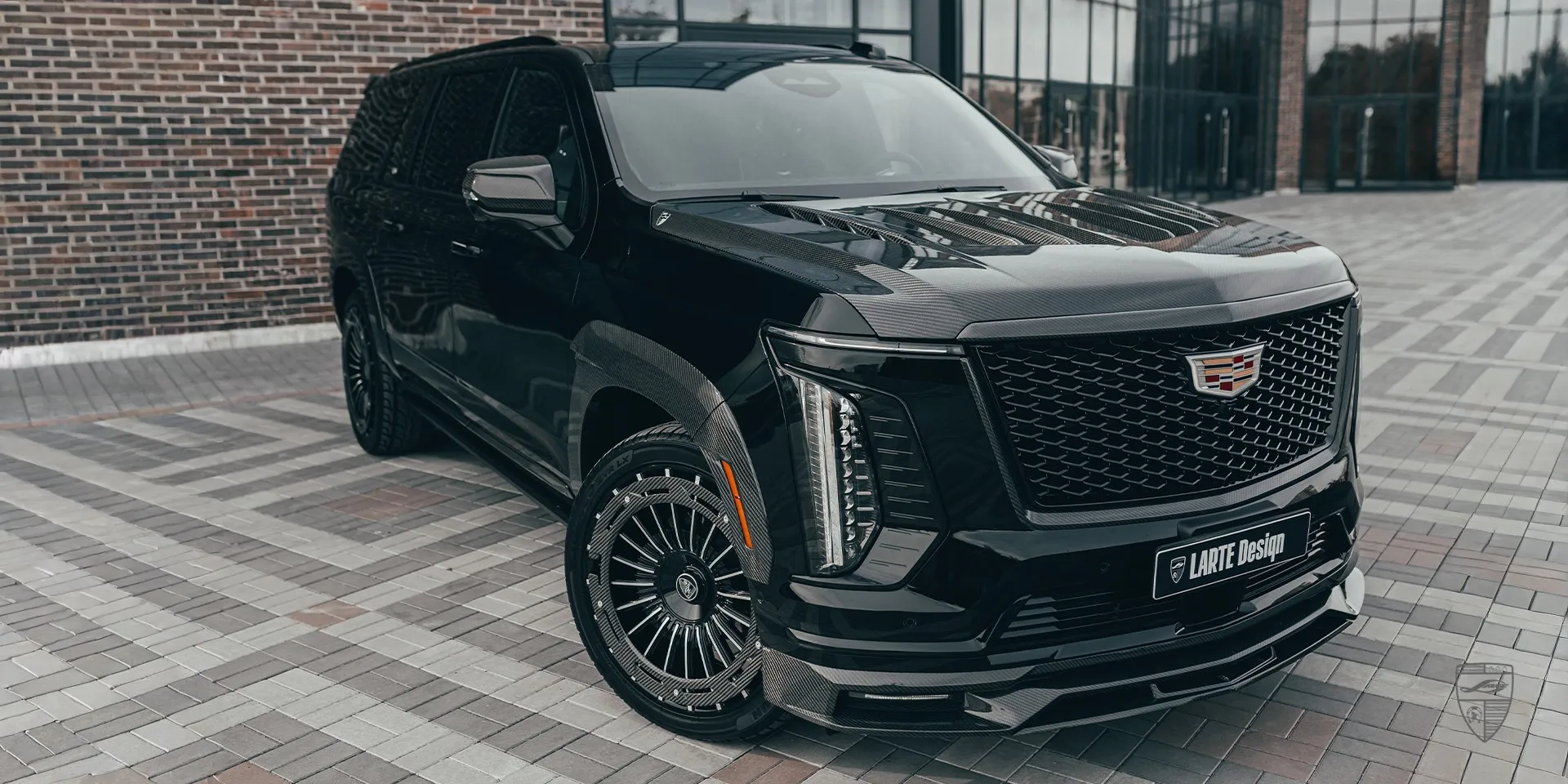
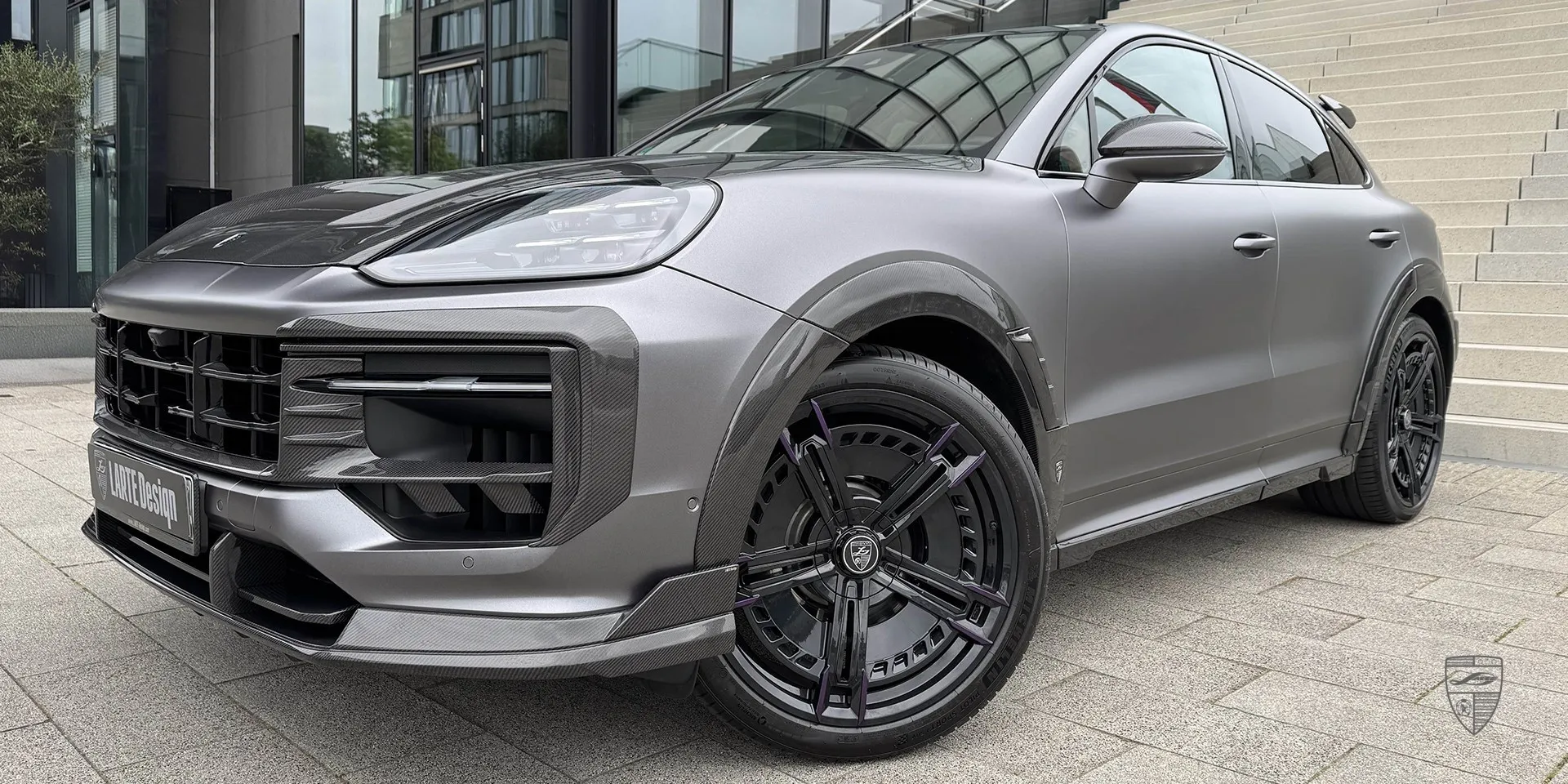
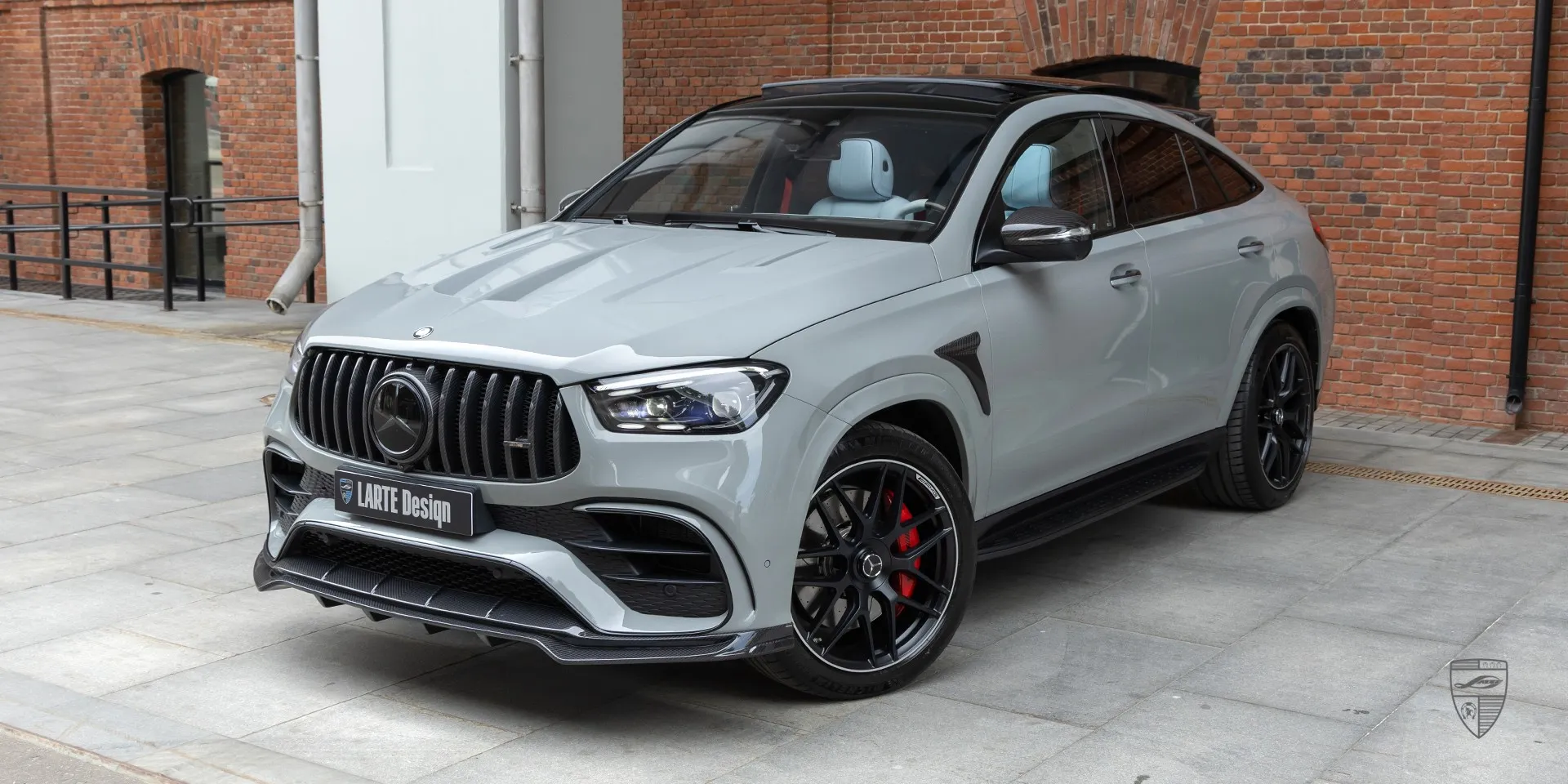
Carbon fiber withstands high stress and impact loads, offers long-term durability in extreme conditions, and remains corrosion-resistant, making it the best material for performance-oriented automotive applications.
Is real carbon fiber worth 5-10x the cost for interior trim pieces?
Real carbon fiber costs 5–10x more than ABS alternatives. The price premium is mostly for authenticity and visual depth. For interior trim, the material is less about function and more about value perception.
How do ABS carbon fiber pieces look compared to real carbon fiber?
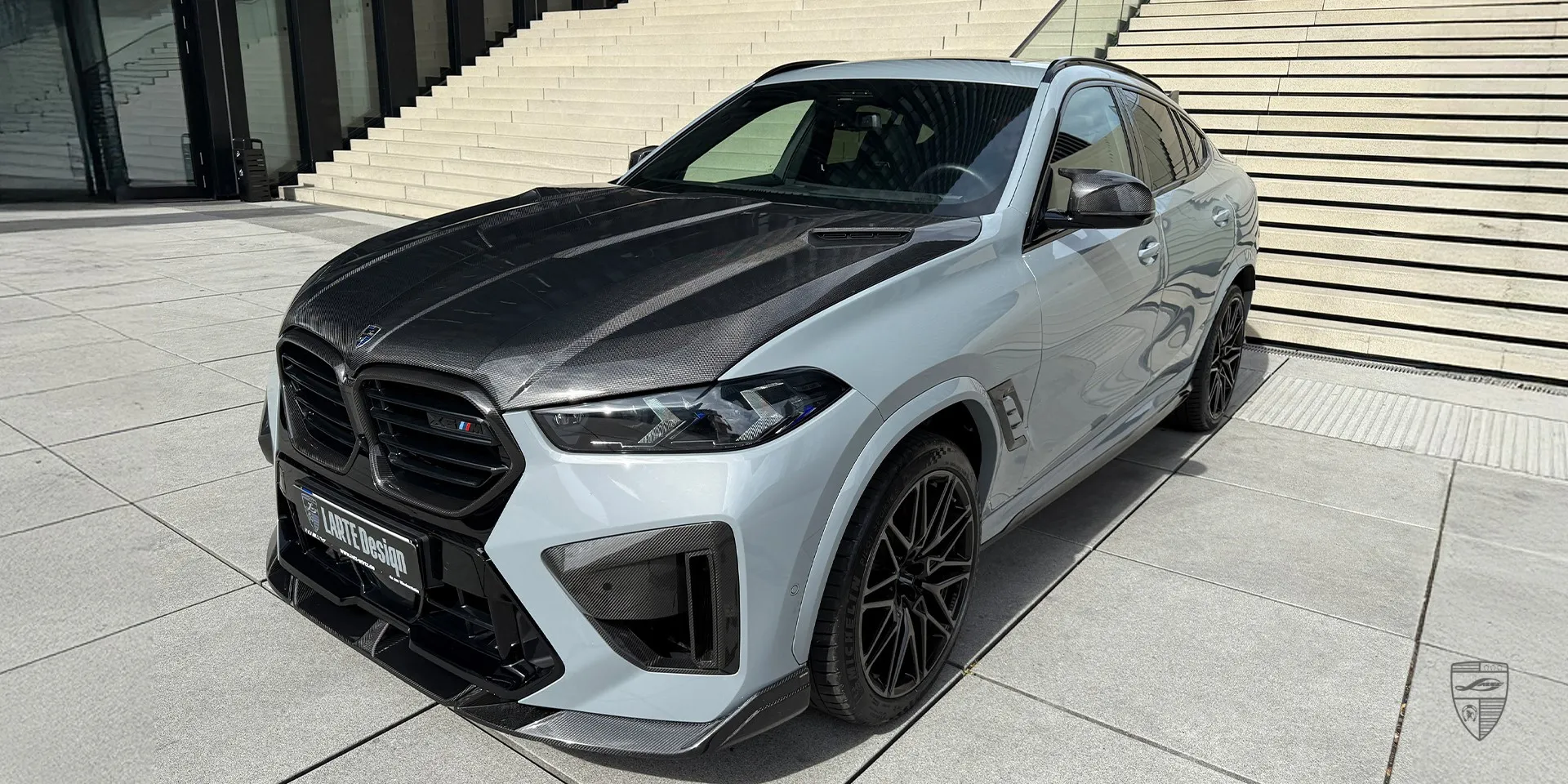
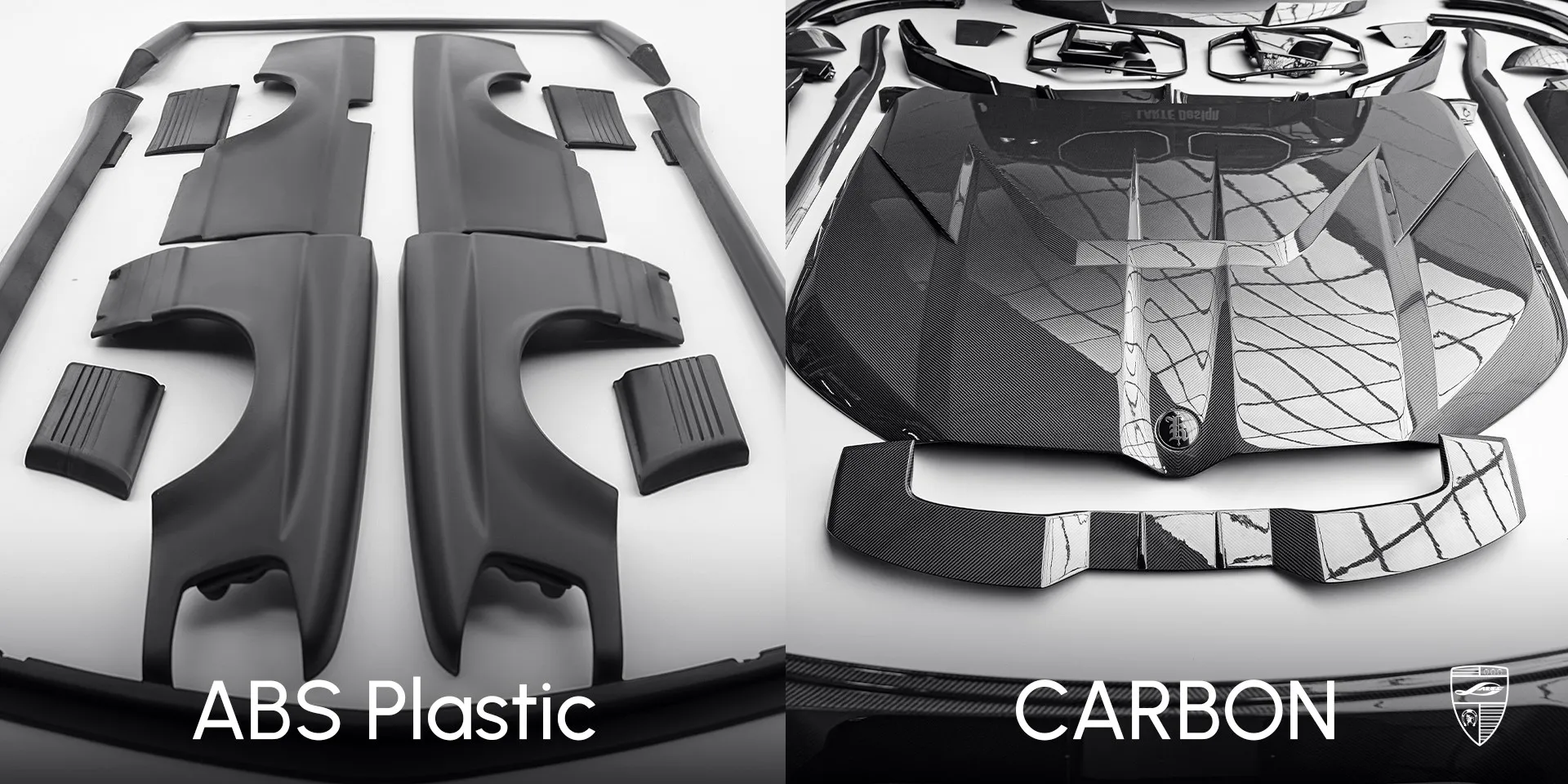
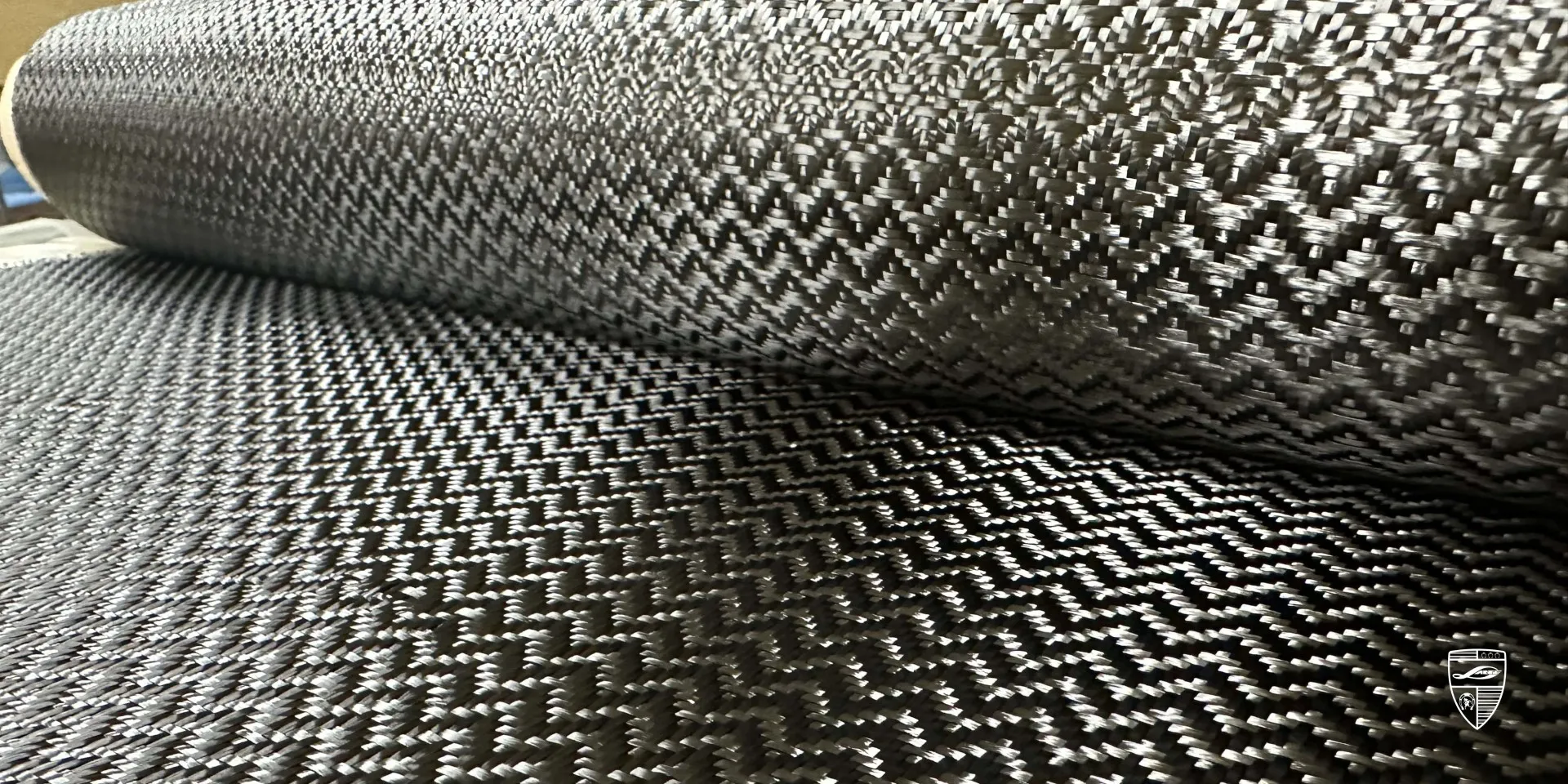
ABS appearance can mimic woven carbon, but the visual comparison shows differences. Real carbon fiber has depth and light refraction. ABS versions often look flat or printed, especially noticeable under close inspection.
What are common quality issues with budget carbon fiber alternatives?
Budget parts often show quality issues such as poor finish, wrong weave, color mismatch, and thin construction. Common problems include air bubbles, uneven surfaces, and weak adhesion, reducing durability and premium appeal.
Are ABS overlays the same thickness as real carbon fiber?
Thickness matters in overlay dimensions. ABS overlays average 1–2 mm, while real carbon fiber parts are 2–3 mm. This thickness comparison explains why ABS may cause fitment gaps or alignment issues.
Do fake carbon fiber pieces fit as well as genuine ones?
Fitment quality of ABS pieces is usually good since they are molded from OEM patterns. Cheaper parts can create installation fit problems, requiring adjustments or trimming to achieve proper alignment.
How do I avoid low-quality fake carbon fiber pieces?
To avoid quality issues, check suppliers for clear specs, proper thickness, and color guarantees. Use selection tips like requesting samples or photos. Skip ultra-cheap offers to reduce risk of poor parts.
When does it make sense to buy real carbon fiber vs. alternatives?
Decision factors depend on goals. Real carbon fiber fits structural use, weight reduction, or OEM matching. ABS works when cost is priority. Choose based on performance vs aesthetics and when choose authenticity.
How do I decide between cost savings and authenticity?
Decision criteria include budget, detail preference, and visibility. For interior trim, ABS saves money. For exterior or visible areas, authenticity cost makes real carbon fiber worth the investment.
How much more expensive is carbon fiber than ABS?
The cost difference is large. Carbon fiber is 3–5x more. Price comparison shows $200–800 for carbon fiber vs $50–200 for ABS, depending on size and complexity.
Can I install these parts myself?
DIY installation is possible. ABS is simpler. Carbon fiber needs careful handling. With tools and skill, self-installation works. Complex aero kits often require professionals to guarantee safety and proper fitment.
Which material is better for daily driving?
For daily driving and everyday use, ABS offers flexibility, impact resistance, and lower replacement cost. Carbon fiber delivers peak performance, but is less forgiving during curb hits or common street damage.
How do I maintain carbon fiber parts?
Carbon fiber maintenance is simple. Wash with mild soap, avoid abrasives, and apply UV coating yearly. Follow these care instructions to prevent fading. Inspect parts for cracks and fix damage quickly.
Will insurance cover carbon fiber modifications?
Insurance coverage usually excludes aftermarket parts unless declared. Ask about modification coverage before install. Providers may raise premiums or require riders for carbon fiber kits.
Is ABS stronger than carbon fiber?
Carbon fiber is generally stronger and more rigid than ABS. It also offers superior heat resistance, lower thermal expansion, and higher visual quality with fewer visible layer lines compared to molded ABS plastic parts.
Why is carbon fiber the best?
Carbon fiber withstands high stress and impact loads, offers long-term durability in extreme conditions, and remains corrosion-resistant, making it the best material for performance-oriented automotive applications.
Is real carbon fiber worth 5-10x the cost for interior trim pieces?
Real carbon fiber costs 5–10x more than ABS alternatives. The price premium is mostly for authenticity and visual depth. For interior trim, the material is less about function and more about value perception.
How do ABS carbon fiber pieces look compared to real carbon fiber?
ABS appearance can mimic woven carbon, but the visual comparison shows differences. Real carbon fiber has depth and light refraction. ABS versions often look flat or printed, especially noticeable under close inspection.
What are common quality issues with budget carbon fiber alternatives?
Budget parts often show quality issues such as poor finish, wrong weave, color mismatch, and thin construction. Common problems include air bubbles, uneven surfaces, and weak adhesion, reducing durability and premium appeal.
Are ABS overlays the same thickness as real carbon fiber?
Thickness matters in overlay dimensions. ABS overlays average 1–2 mm, while real carbon fiber parts are 2–3 mm. This thickness comparison explains why ABS may cause fitment gaps or alignment issues.
Do fake carbon fiber pieces fit as well as genuine ones?
Fitment quality of ABS pieces is usually good since they are molded from OEM patterns. Cheaper parts can create installation fit problems, requiring adjustments or trimming to achieve proper alignment.
How do I avoid low-quality fake carbon fiber pieces?
To avoid quality issues, check suppliers for clear specs, proper thickness, and color guarantees. Use selection tips like requesting samples or photos. Skip ultra-cheap offers to reduce risk of poor parts.
When does it make sense to buy real carbon fiber vs. alternatives?
Decision factors depend on goals. Real carbon fiber fits structural use, weight reduction, or OEM matching. ABS works when cost is priority. Choose based on performance vs aesthetics and when choose authenticity.
How do I decide between cost savings and authenticity?
Decision criteria include budget, detail preference, and visibility. For interior trim, ABS saves money. For exterior or visible areas, authenticity cost makes real carbon fiber worth the investment.
How much more expensive is carbon fiber than ABS?
The cost difference is large. Carbon fiber is 3–5x more. Price comparison shows $200–800 for carbon fiber vs $50–200 for ABS, depending on size and complexity.
Can I install these parts myself?
DIY installation is possible. ABS is simpler. Carbon fiber needs careful handling. With tools and skill, self-installation works. Complex aero kits often require professionals to guarantee safety and proper fitment.
Which material is better for daily driving?
For daily driving and everyday use, ABS offers flexibility, impact resistance, and lower replacement cost. Carbon fiber delivers peak performance, but is less forgiving during curb hits or common street damage.
How do I maintain carbon fiber parts?
Carbon fiber maintenance is simple. Wash with mild soap, avoid abrasives, and apply UV coating yearly. Follow these care instructions to prevent fading. Inspect parts for cracks and fix damage quickly.
Will insurance cover carbon fiber modifications?
Insurance coverage usually excludes aftermarket parts unless declared. Ask about modification coverage before install. Providers may raise premiums or require riders for carbon fiber kits.








 facebook
  instagram
  telegram
  youtube
  pinterest