icon-telegram icon-whatsapp

icon-telegram

icon-whatsapp

language-flag-EN EN
https://larte-design.com/blog/clay-modelling-vs-3d-in-car-design/#webpage en
https://larte-design.com/#organization Larte Design Larte https://www.instagram.com/lartedesign/ https://www.linkedin.com/company/larte-design-usa https://www.facebook.com/lartedesigntuning/
BACK

Two Weeks Instead of Eleven: Why Handwork Beats 3D for Speed in Car Design

Two Weeks Instead of Eleven: Why Handwork Beats 3D for Speed in Car Design

Alexej Janowski, founder of the German design atelier LARTE Design, compared two routes to the same body part: design in 3D only, and clay modelling, shaping a full-size model in industrial clay on the car. The trigger was the company's own experiment: in 2024 LARTE Design opened a studio in Turin, where specialists with backgrounds at Ferrari, BMW, Porsche and Pininfarina ran projects entirely in digital. One front bumper: 8–11 weeks to an approved design, two full-size SLS prints and tens of thousands of euros for the whole cycle, around €12,000 of it on printing alone. On a clay model the same part is approved in one to two weeks without a single print.

Janowski's main conclusion is about the speed of design: handwork combined with 3D technology gets to an approved form several times faster than the screen. That matches the practice of the major manufacturers: Lamborghini's design centre has brought full-size models back into its process, and Porsche calls them indispensable. Below, Alexej Janowski explains what the experiment showed.
Alexej Janowski, founder of the German design atelier LARTE Design, compared two routes to the same body part: design in 3D only, and clay modelling, shaping a full-size model in industrial clay on the car. The trigger was the company's own experiment: in 2024 LARTE Design opened a studio in Turin, where specialists with backgrounds at Ferrari, BMW, Porsche and Pininfarina ran projects entirely in digital. One front bumper: 8–11 weeks to an approved design, two full-size SLS prints and tens of thousands of euros for the whole cycle, around €12,000 of it on printing alone. On a clay model the same part is approved in one to two weeks without a single print.

Janowski's main conclusion is about the speed of design: handwork combined with 3D technology gets to an approved form several times faster than the screen. That matches the practice of the major manufacturers: Lamborghini's design centre has brought full-size models back into its process, and Porsche calls them indispensable. Below, Alexej Janowski explains what the experiment showed.
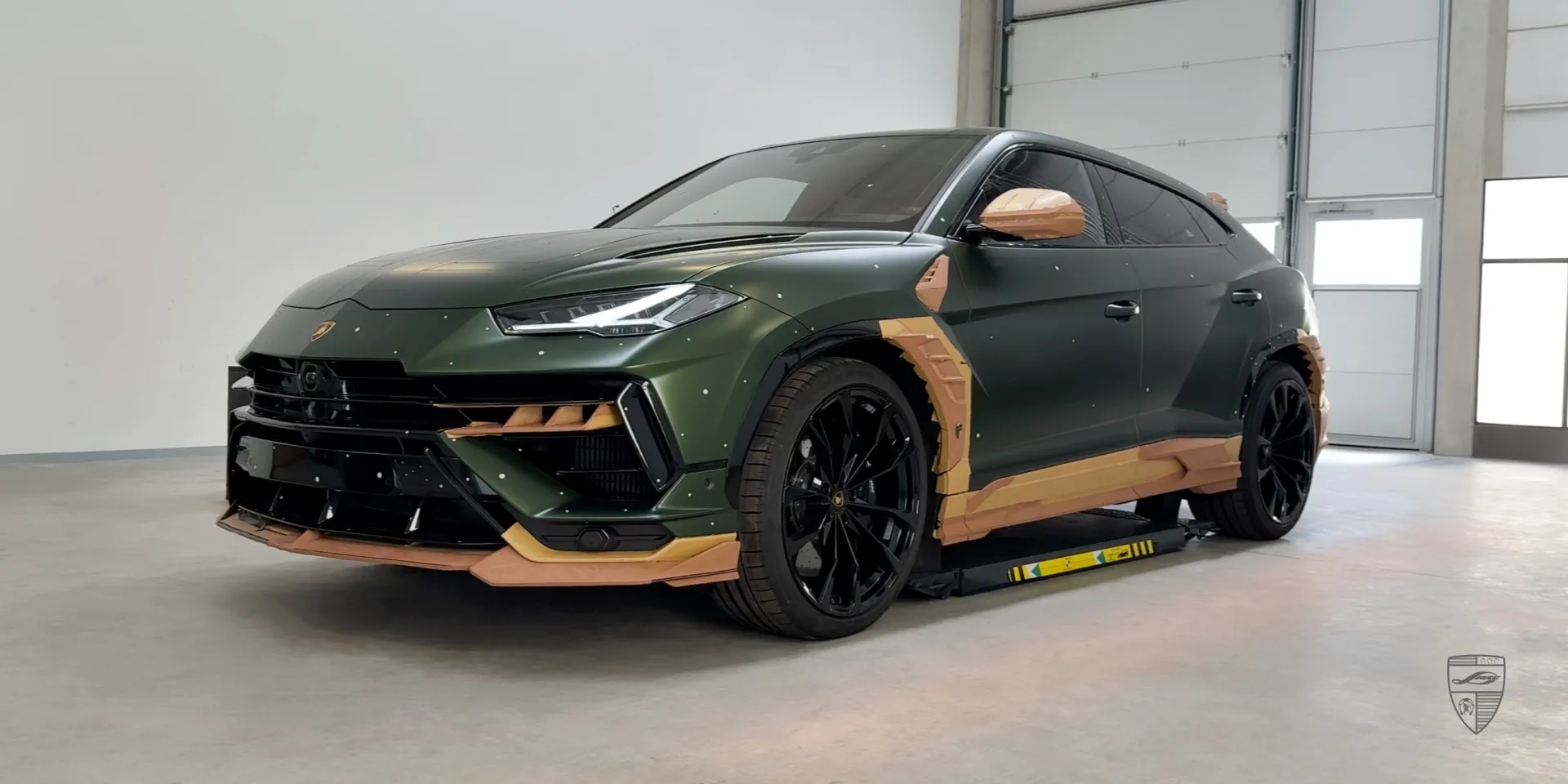
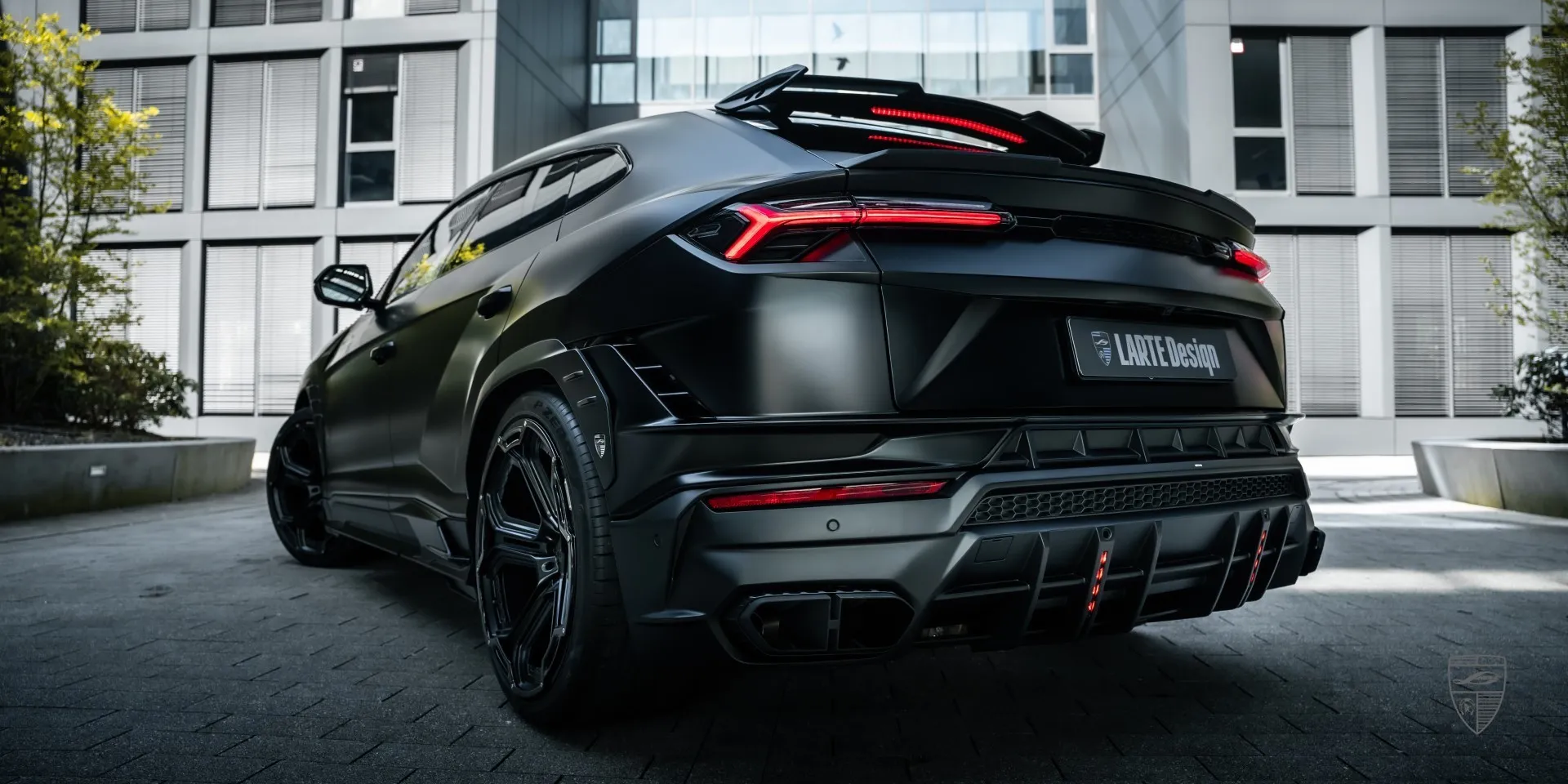
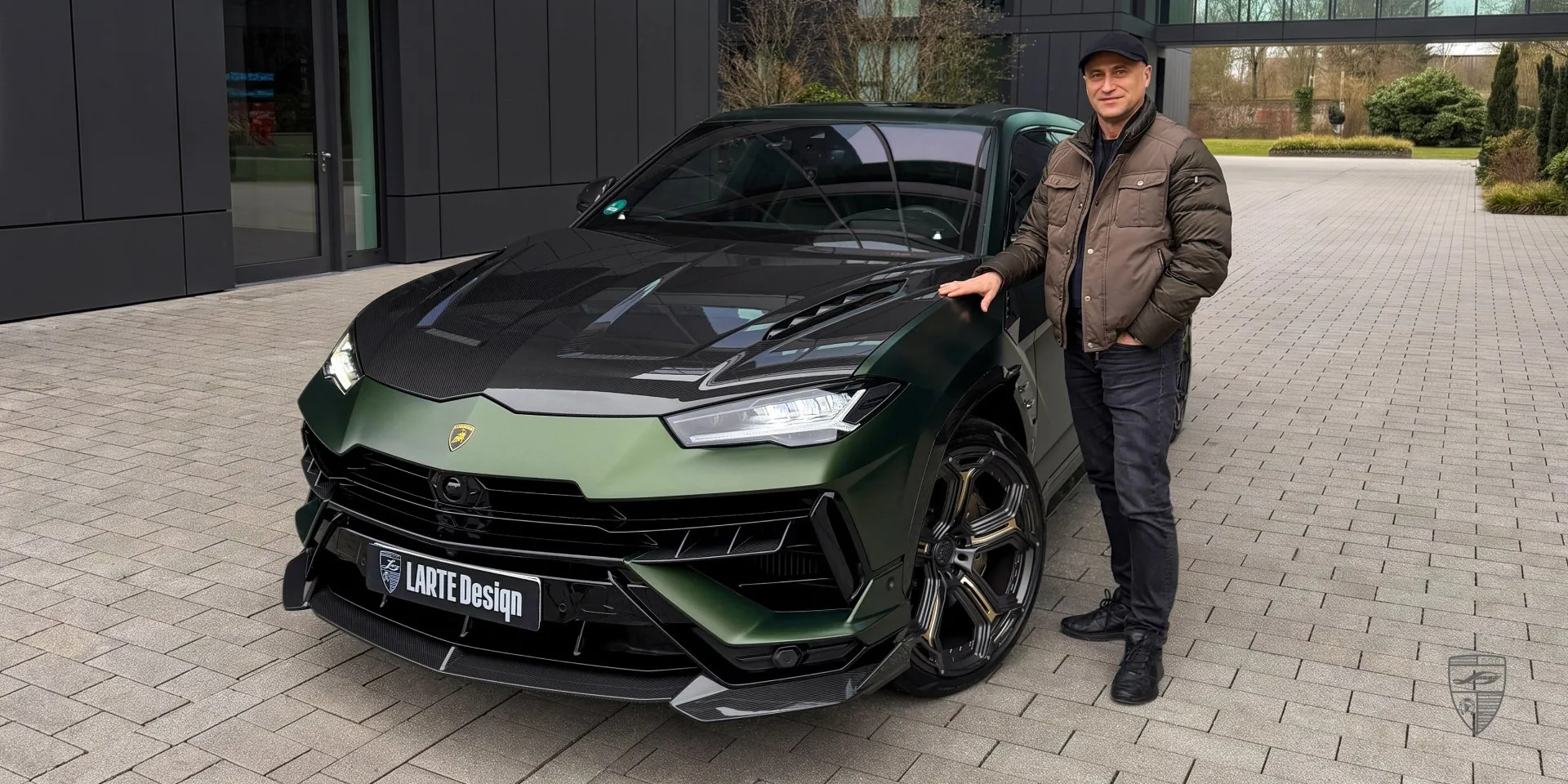
Lamborghini Urus custom wrapped with distinctive styling and premium exterior modifications

Alexej Janowski, founder of LARTE Design

Alexej Janowski, founder of LARTE Design

We get asked the same question all the time, mostly by designers: why do you still use clay modelling? It's an old technology, the whole world has gone digital. Clay modelling means shaping a full-size model of the part in industrial plasticine, known in the business as clay, directly on the car.

I don't argue with that. I can only share my conclusions and my numbers. Since 2012 every LARTE Design project has gone through clay. We tried hard prototyping in modelling plastic and, more than once, design in 3D only: in our studio in Germany and, most consistently, in Turin.

At the same time, the companies for whom form matters most are not walking away from clay. Mitja Borkert, head of Lamborghini's design centre since 2016, brought full-size models back into the process: before him the team had worked almost entirely in digital. Porsche calls models made of industrial plasticine indispensable for evaluating a design. I accept that for large manufacturers with high volumes and long development cycles the 3D-only approach works. On facelifts and custom projects, I hold a different view.

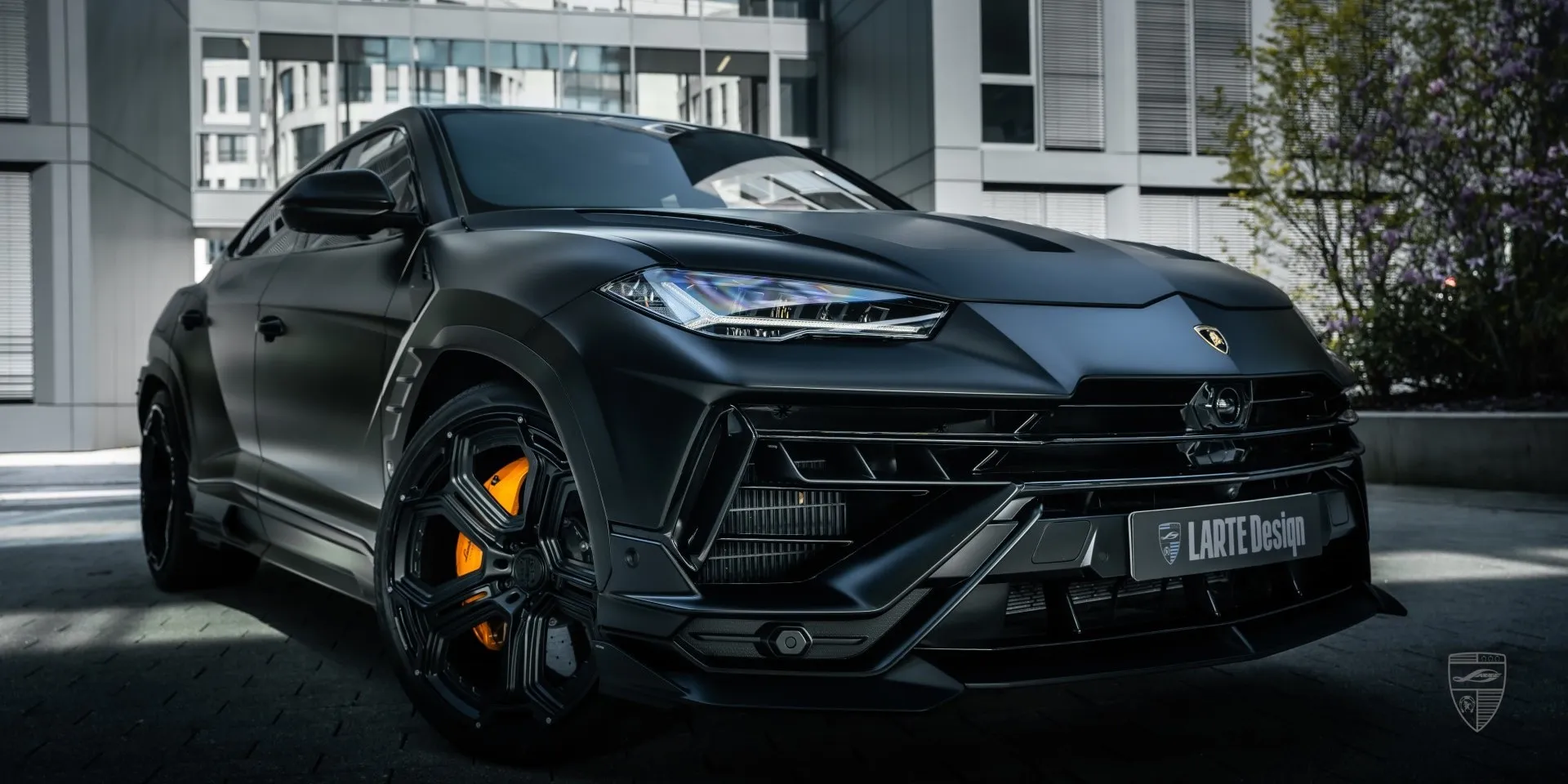
Lamborghini URUS with body kit and premium exterior upgrades for enhanced road presence

The Turin experiment

The Turin experiment

In 2024 we opened a LARTE design studio in Turin and brought in specialists with backgrounds at Ferrari, BMW, Porsche and Pininfarina. They were certain: everything can be done in 3D, clay isn't needed.

We ran several projects exactly that way. Over time it became clear that for facelifts and custom projects, where decisions have to be made fast and on the real car, this approach doesn't work.

The price of one bumper

The price of one bumper

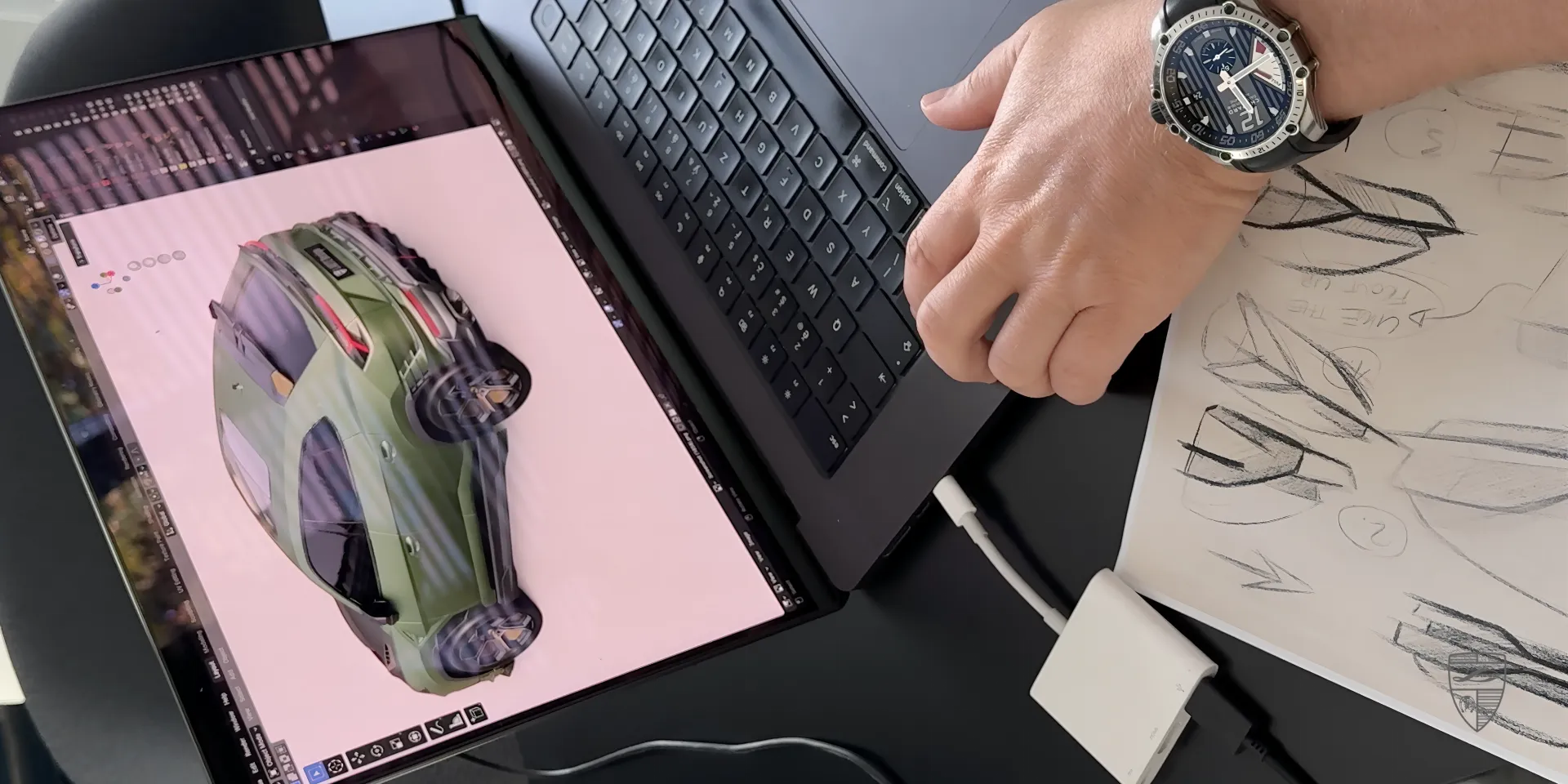
Take a single part: the front bumper. A week went on sketches, then the bumper was modelled in Blender, a 3D modelling program. Roughly ten working days later we approved it on screen. There, it looked good.

To see the bumper at full size, it had to be printed. Even the largest industrial printers have a build volume of 70 by 38 by 58 centimetres, so the engineers split the model into sections, work out the joints and shrinkage, print, clean and bond the pieces. We chose selective laser sintering (SLS). It is the most expensive process, but a rough surface from cheaper printing tells you nothing about form. Three to four weeks later, the bumper was on the car.

And we immediately saw what the screen had not shown. The proportions read differently, the highlights fell in the wrong places, some areas didn't suit the character of the car. The designer and the 3D specialist measured up, worked out why the proportions diverged, and corrected the model. Then another print, another bonding, another delivery. Two or three more weeks.

3D modelling in automotive design: digital surface development in professional CAD software
Automotive design clay studio: workspace with full‑scale clay models and styling tools
3D modelling in automotive design: digital surface development in professional CAD software
Automotive design clay studio: workspace with full‑scale clay models and styling tools

In the end, 8–11 weeks passed before the design was approved. Two SLS prints cost around €12,000, and that is printing alone. The rest cost more: weeks of designers' time, the contractor, logistics, the project manager's time and mine at every fitting. The whole cycle ran into tens of thousands of euros.

Let me be direct: this is not about the people. The Turin team are true professionals. The 3D-only approach was simply built for large OEM programmes with long timelines. For us it didn't fit. The problem was never 3D itself. For us, the mistake was giving up clay. And here is why.

The same part in clay

The same part in clay

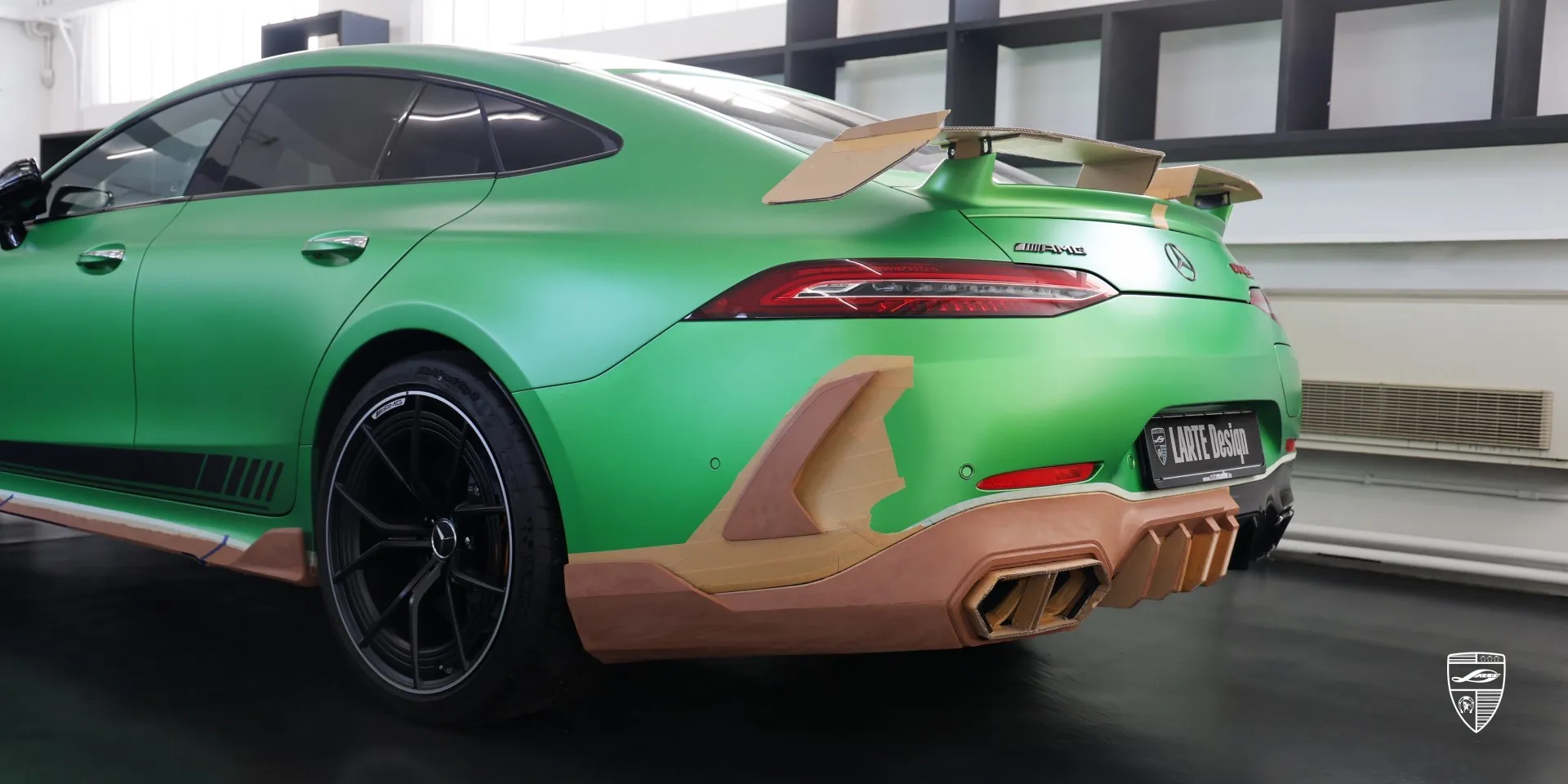
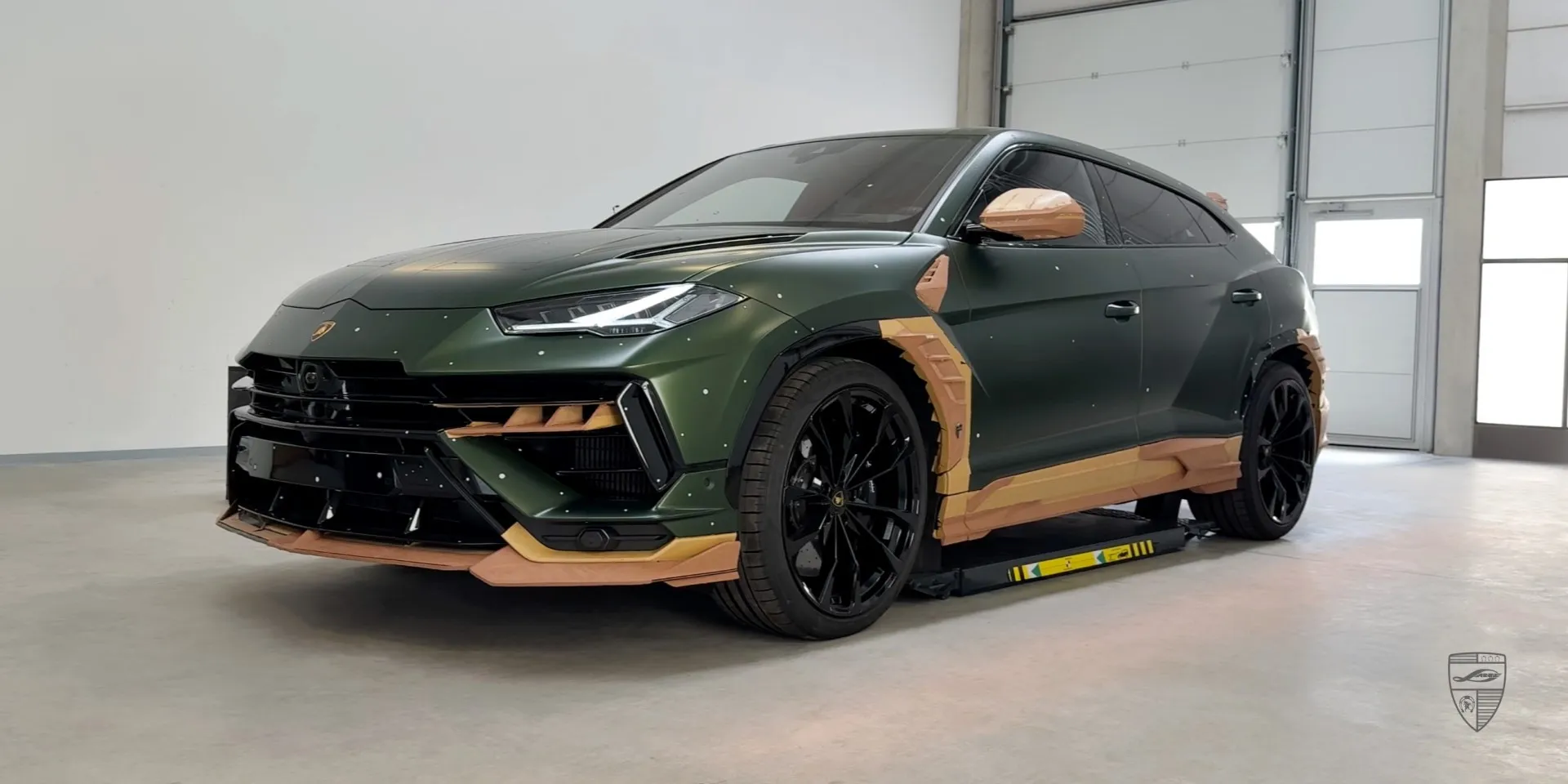
With us, the designer doesn't spend weeks in Blender. From day one he works on the real car together with the clay modeller. Contour tape marks the main lines, then the clay goes on, and the part takes shape in front of you. By day seven there is a complete form on the car. It is judged from different angles and distances: proportions, silhouette, what works, what needs changing.

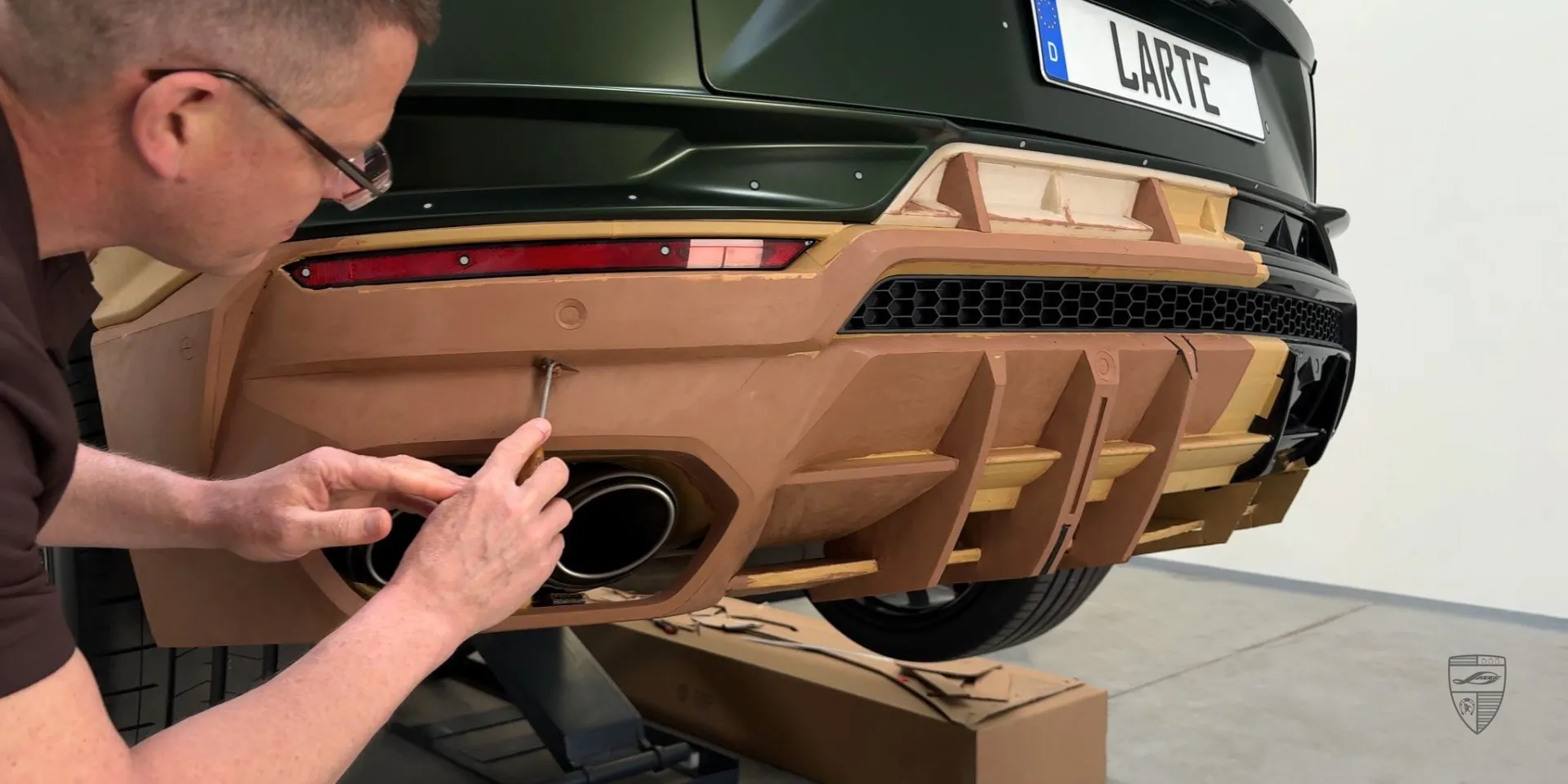
Then comes the detailing, and the real refinement happens on the model. Chamfers, radii, character lines, surface transitions, highlights: everything is visible at full size and everything is corrected on the spot. The result is essentially final. As the client of the project I come in, and together with the designer and the clay modeller we look at the part. Every correction is made right there, on the car. Within two weeks at most, the design is approved and ready for scanning, without a single print for design.

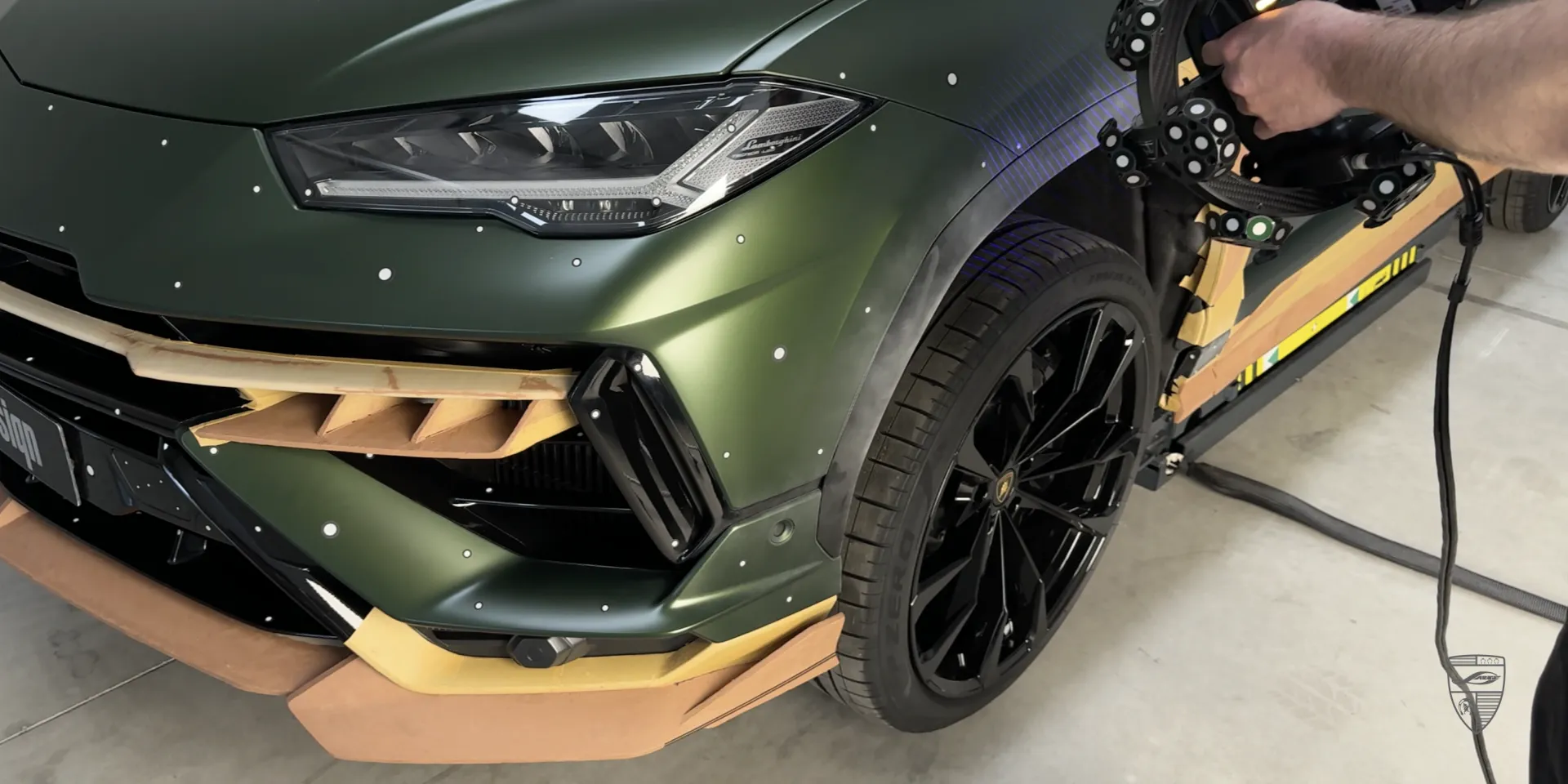
Clay itself, of course, is not a Class A surface, the term the industry uses for the final mathematical surface of a part, ready for production. But when the model has been brought to that level, the Class A surfaces are built from its scan, and the surfacing specialist doesn't have to invent the form again. His job is to transfer the form of the clay part into the 3D software as precisely as possible, keeping every line and surface.

Two weeks instead of 8–11. The whole difference is prints, logistics and rounds of sign-off, which simply don't exist on clay.

Automotive clay modelling process: step‑by‑step creation of a car’s exterior form
Scanning a clay model for 3D data: capturing geometry with a laser scanner
Sculpting a car clay model: designer refining body curves with hand tools
Automotive clay modelling process: step‑by‑step creation of a car’s exterior form
Scanning a clay model for 3D data: capturing geometry with a laser scanner
Sculpting a car clay model: designer refining body curves with hand tools

What the screen doesn't show

What the screen doesn't show

Why is clay faster? The reason is scale. A car is about five metres long; a monitor, even a big one, is about a metre across the diagonal. It never gives you the whole picture.

Out on the street, a car is seen from every side and every distance. Only a full-size form shows how the proportions read, how light falls, where a highlight breaks and whether the part suits the car's character. 3D design has its advantages. But clay lets you see the form at scale, correct it immediately and get the most realistic result. That is exactly the point.

On the model, corrections are made right on the car, and you reach the result you want in a few hours. In 3D the correction on screen takes minutes too, but to see it for real you need a new cycle: print, ship, fit. That is two to three weeks again.

The eye feels proportion. The hand creates form. Light and 1:1 scale reveal the truth. That is how design is born.

Lamborghini URUS tuning package with upgraded exterior styling and custom modifications
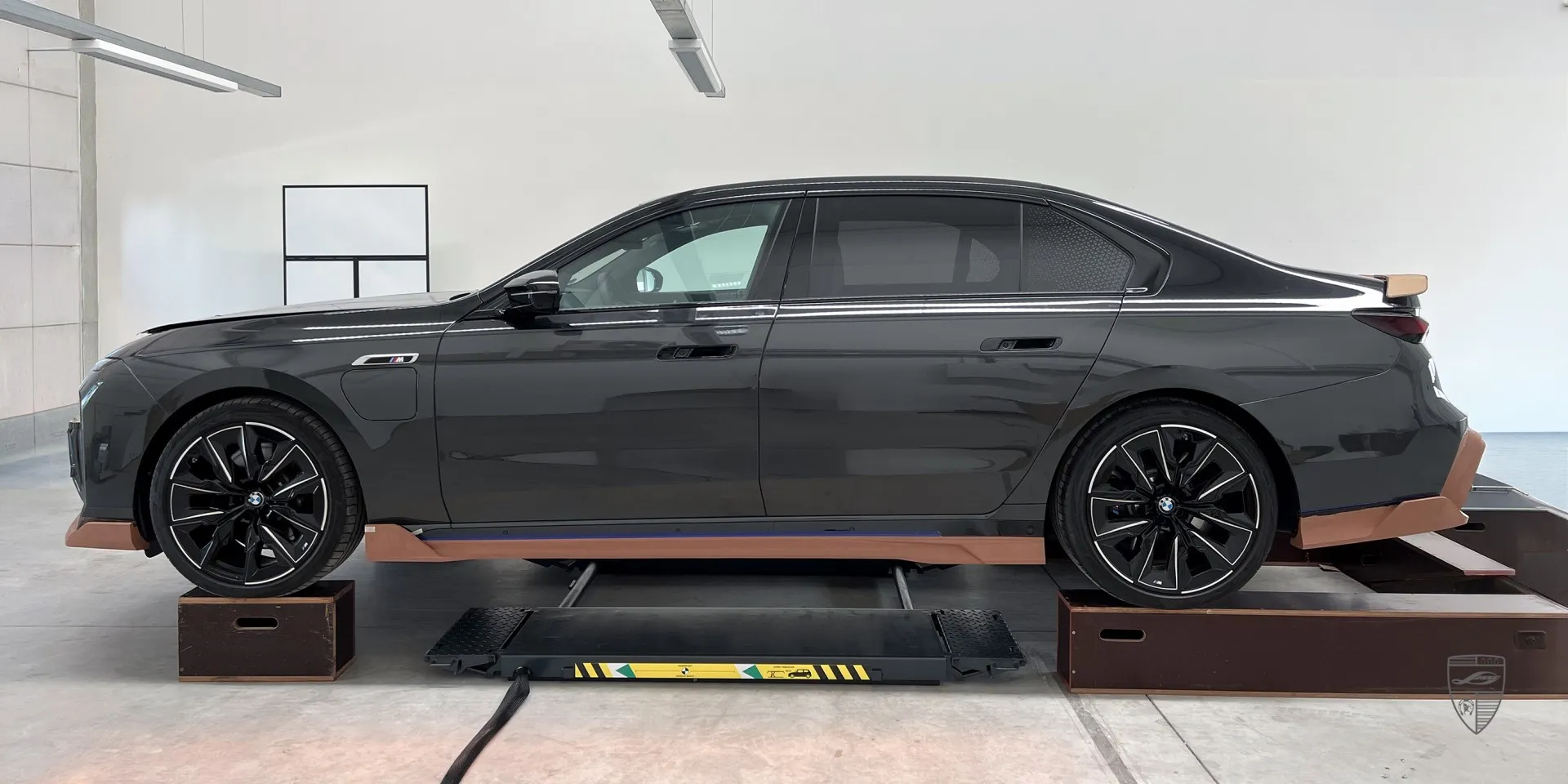
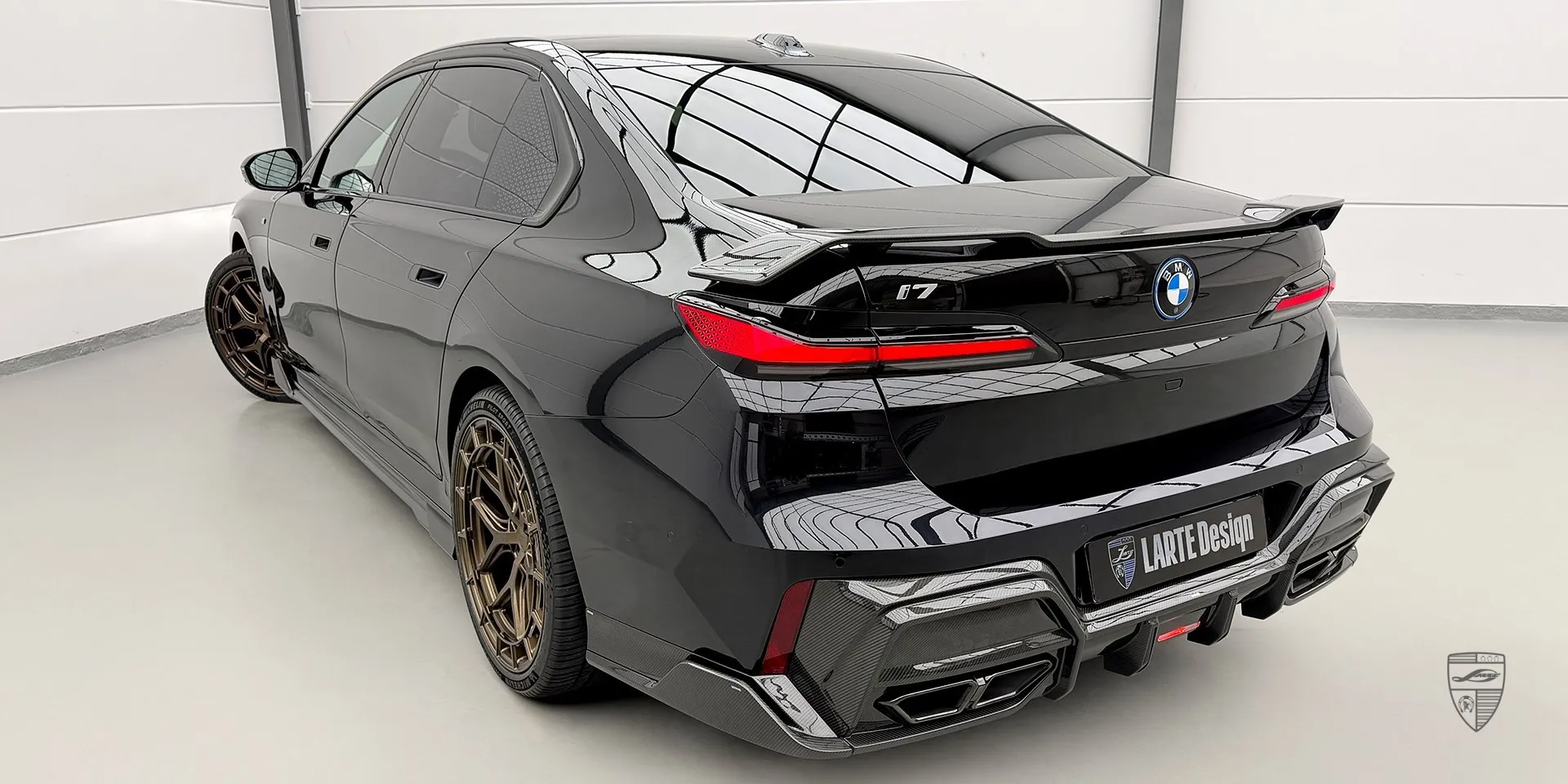
Premium tuning package for BMW 7 Series ensures precise fitment for the flagship sedan
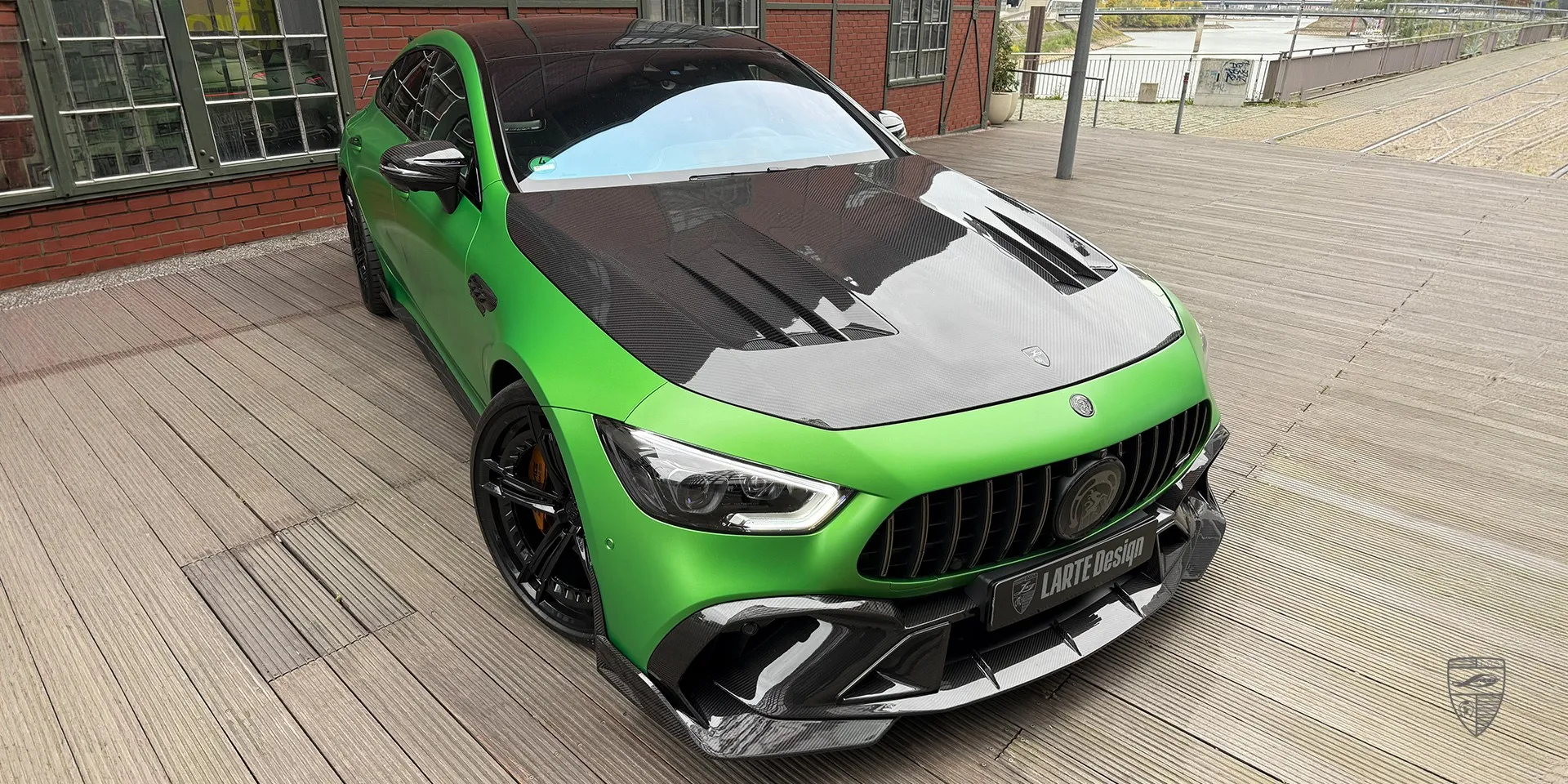
Premium body kit GT 63 AMG — high-end components in a front three-quarter composition
Lamborghini URUS tuning package with upgraded exterior styling and custom modifications
Premium tuning package for BMW 7 Series ensures precise fitment for the flagship sedan
Premium body kit GT 63 AMG — high-end components in a front three-quarter composition

Who owns the result

Who owns the result

After approval, the part goes through scanning, surfacing, engineering and tooling, and changes a little at every stage. That is why we have our own system of checkpoints, and why the clay modeller stays on the project to the end. Our modeller Yuri has been with us since 2012, since the first projects. The approved model is the reference, and every subsequent step is checked against it.

After approval, the part goes through scanning, surfacing, engineering and tooling, and changes a little at every stage. That is why we have our own system of checkpoints, and why the clay modeller stays on the project to the end. Our modeller Yuri has been with us since 2012, since the first projects. The approved model is the reference, and every subsequent step is checked against it.

Clay modelling as a craft

Clay modelling as a craft

For me, clay modelling is also a craft, handwork, part of car culture. The modeller works like a sculptor: with hands, eye and light. And this craft works hand in hand with 3D technology.

About five years ago we started showing the process on Instagram. On my account alone, the clay modelling videos have been viewed 465 million times. But the questions turned out to matter more: which clay, which tools, how to hold a line. People saved the videos, sent them to colleagues and learned. That is why I think it is too early to write clay off.

3D scanning for car design: digitizing a physical clay model for digital workflows

Counting honestly

Counting honestly

Clay is expensive. But no more expensive than the alternative: VR equipment, large screens, software licences and print after print. One bumper ran into tens of thousands of euros, around €12,000 of it on printing alone; a whole-car project, by our estimate, would run into hundreds of thousands. But the main thing is speed: the design is approved in weeks rather than months.

Now, when someone proposes doing everything in 3D only, I ask a few questions. 

  • When will we see the form at full size on the car? 
  • How many prints will go on design alone? 
  • What does one correction cost in money, time and people? 
  • Who makes sure the form doesn't change from one program to the next?

Clay and 3D

Clay and 3D

I am not against new technology. In some things 3D is stronger: it is faster for exploring variants, easier for perfect symmetry and precise data, more convenient for working remotely. The best result comes from the combination: craft working with 3D technology. Clay gets you to an approved design faster; the digital tools make the form precise and ready for production. The one condition: after every digital step, check the part against the approved model.

3D gets you to variants faster. Clay gets you to an approved design faster. And an owner pays for the approved design, not for the variants.

Engineering, fitting to the original mounting points and production are the subject of the next piece.

alex
helene
max
GET PERSONAL CONSULTATION

I will help upgrade your vehicle to make it even more enjoyable for you

Use of cookies

We use cookies for our website's functionality. You can disable them or continue according to Privacy policy.
Wishlist (0)
0