icon-telegram icon-whatsapp

icon-telegram

icon-whatsapp

language-flag-EN EN
https://larte-design.com/blog/prepreg-vs-vacuum-infusion-comparison/#webpage en
https://larte-design.com/#organization Larte Design Larte https://www.instagram.com/lartedesign/ https://www.linkedin.com/company/larte-design-usa https://www.facebook.com/lartedesigntuning/
BACK

Prepreg vs vacuum infusion: complete comparison guide

Prepreg vs vacuum infusion: complete comparison guide

Prepreg and vacuum infusion are two dominant composite manufacturing methods used for fiber-reinforced composites in automotive and aerospace applications. While both rely on carbon fabric and a resin system, they differ significantly in manufacturing techniques, curing process, laminate quality, and production costs.

This guide explains how prepreg vs vacuum infusion impacts structural consistency, durability, and long-term performance. At the end, you will understand why premium manufacturers, including LARTE Design, choose prepreg technology with autoclave curing for OEM-level carbon fiber components.
Prepreg and vacuum infusion are two dominant composite manufacturing methods used for fiber-reinforced composites in automotive and aerospace applications. While both rely on carbon fabric and a resin system, they differ significantly in manufacturing techniques, curing process, laminate quality, and production costs.

This guide explains how prepreg vs vacuum infusion impacts structural consistency, durability, and long-term performance. At the end, you will understand why premium manufacturers, including LARTE Design, choose prepreg technology with autoclave curing for OEM-level carbon fiber components.
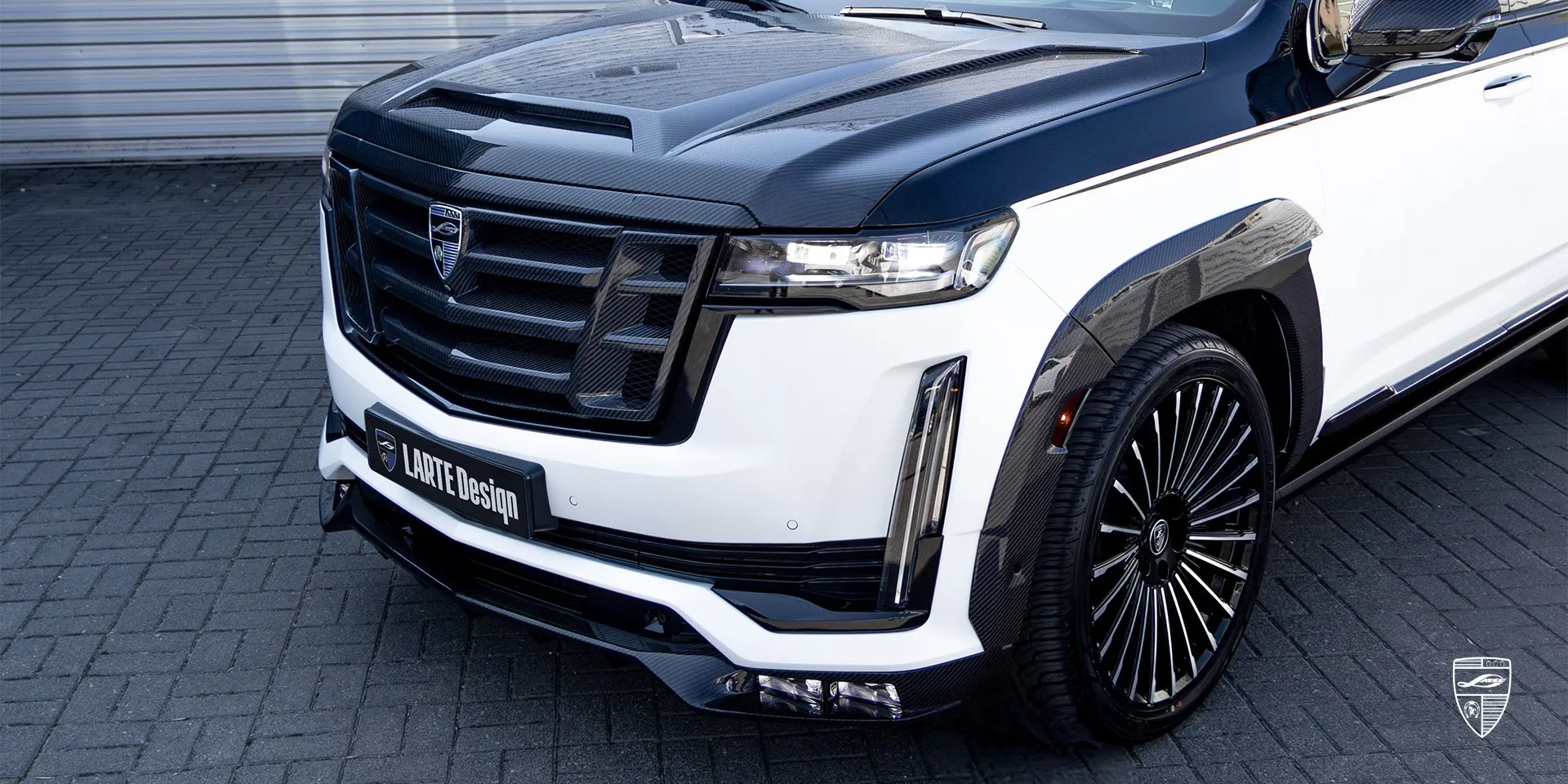
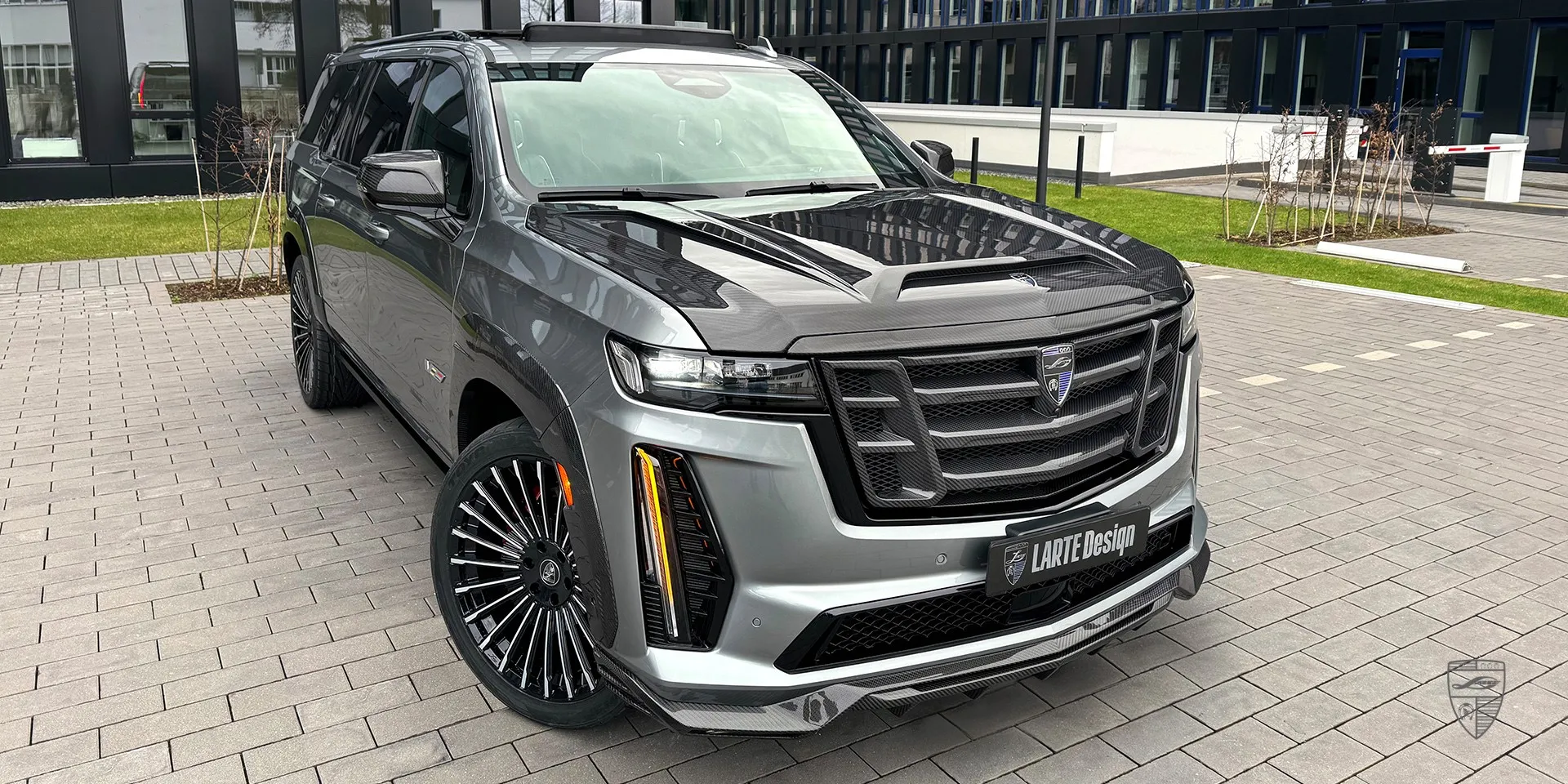
Cadillac Escalade facelift with prepreg carbon upgrade

Understanding prepreg and vacuum infusion

Understanding prepreg and vacuum infusion
From an engineering perspective, carbon fiber is not a decorative material. It is a fiber-reinforced composite system, where performance depends on how fibers, resin, pressure, and curing are managed together. Two common manufacturing techniques dominate automotive composite manufacturing today: prepreg and vacuum infusion. Although both can produce visually appealing parts, they differ significantly in structural consistency, laminate quality, and long-term reliability.

Understanding these differences helps explain why some carbon components remain stable for years, while others degrade, warp, or lose precision over time. The key lies in how the resin matrix is introduced, how fiber saturation is controlled, and how the final curing process is executed.
From an engineering perspective, carbon fiber is not a decorative material. It is a fiber-reinforced composite system, where performance depends on how fibers, resin, pressure, and curing are managed together. Two common manufacturing techniques dominate automotive composite manufacturing today: prepreg and vacuum infusion. Although both can produce visually appealing parts, they differ significantly in structural consistency, laminate quality, and long-term reliability.

Understanding these differences helps explain why some carbon components remain stable for years, while others degrade, warp, or lose precision over time. The key lies in how the resin matrix is introduced, how fiber saturation is controlled, and how the final curing process is executed.

What is prepreg

Prepreg material consists of pre-impregnated fibers, where carbon fabric is infused with a precisely controlled resin matrix during material production. This creates a controlled fiber-to-resin ratio before the part is even formed.

What is prepreg

Prepreg material consists of pre-impregnated fibers, where carbon fabric is infused with a precisely controlled resin matrix during material production. This creates a controlled fiber-to-resin ratio before the part is even formed.

Key characteristics of prepreg carbon fiber parts:

Key characteristics of prepreg carbon fiber parts:
  • Pre-impregnated fibers with uniform resin distribution
  • Controlled fiber-to-resin ratio, typically 60–70% fiber volume
  • Requires refrigerated storage to maintain material stability
  • Limited shelf life, usually 6–12 months
  • Cured using elevated temperature and pressure, typically in an autoclave
This method delivers high laminate quality, low void content, and excellent repeatability from part to part.
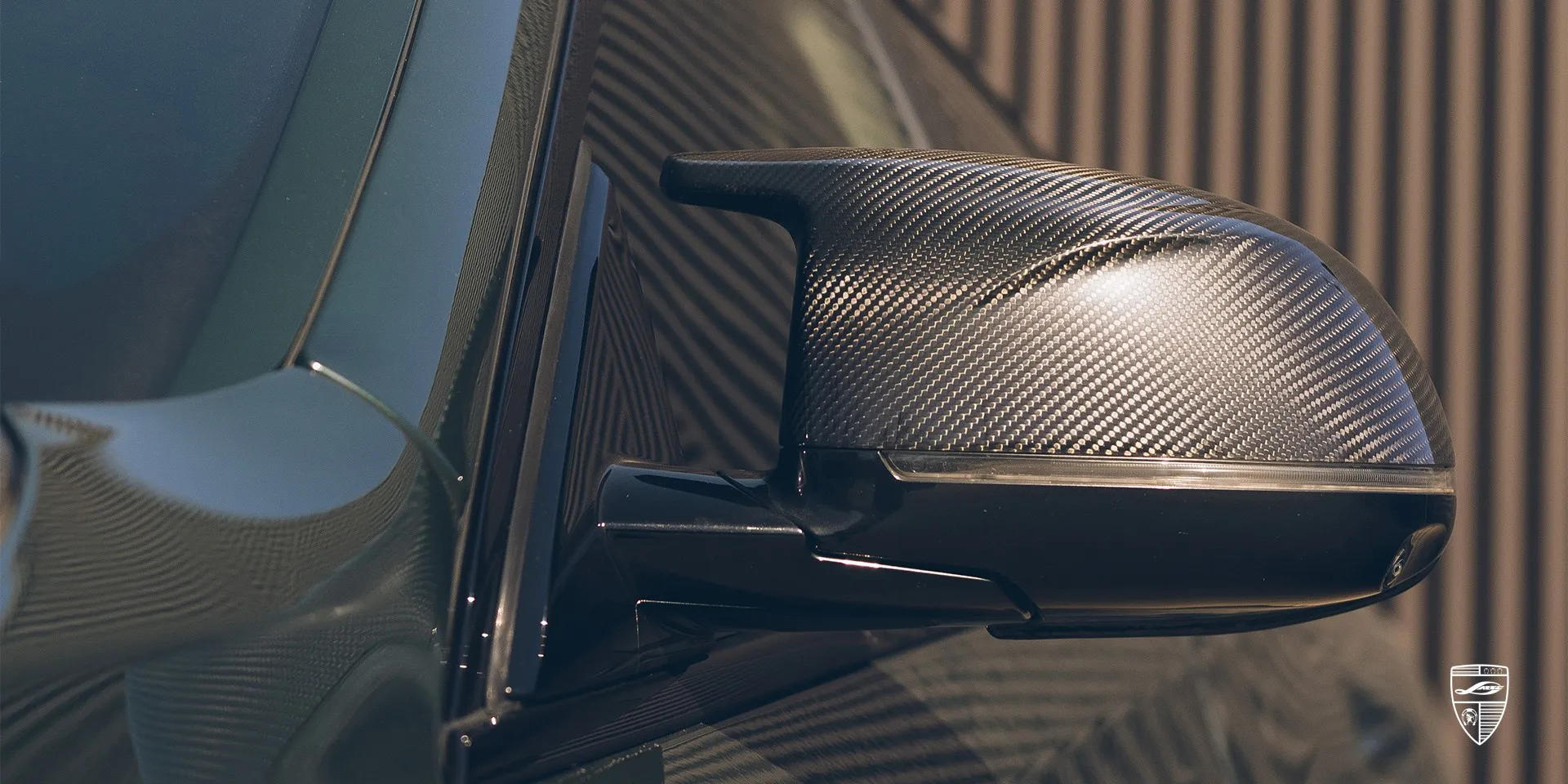
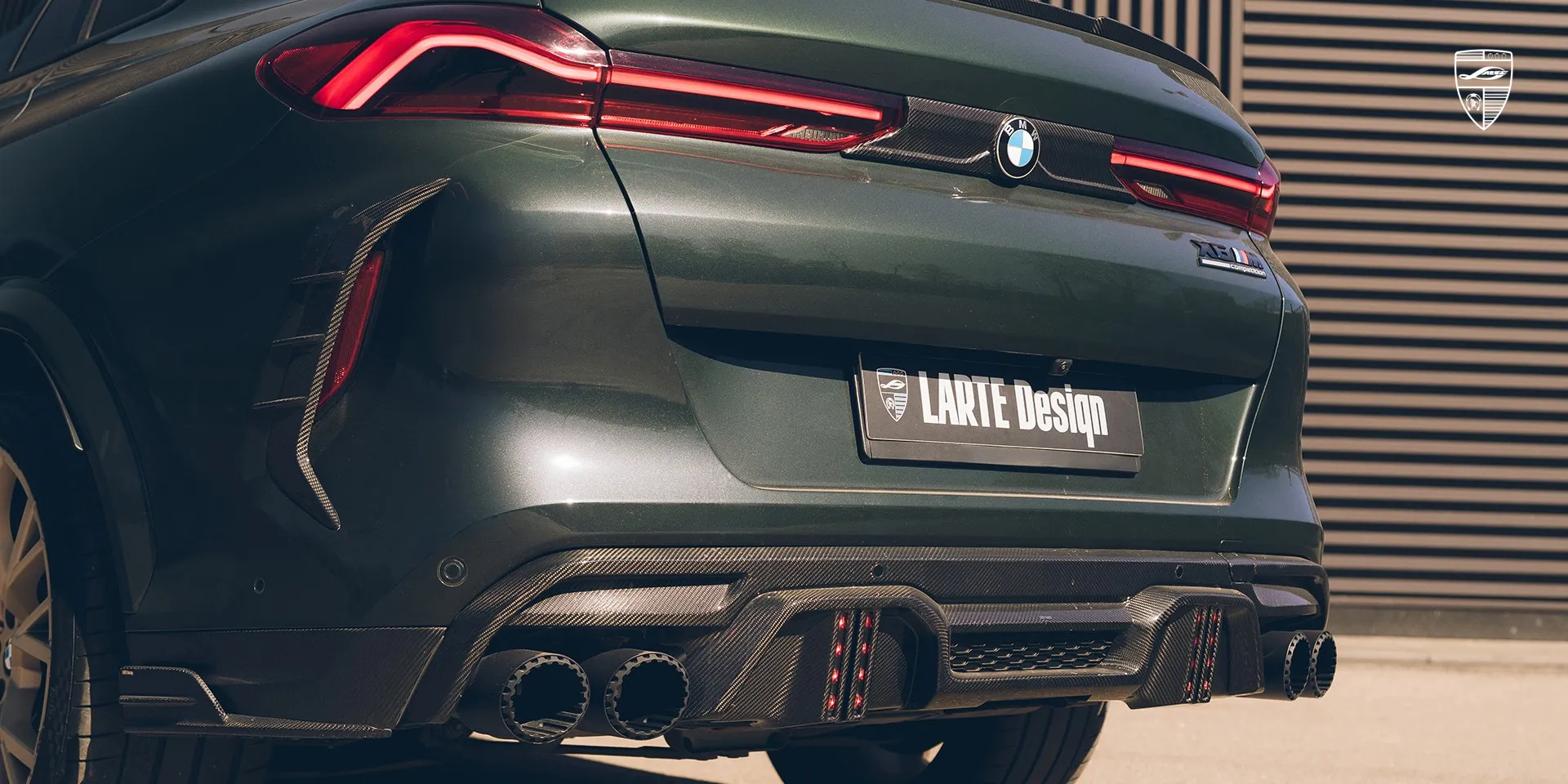
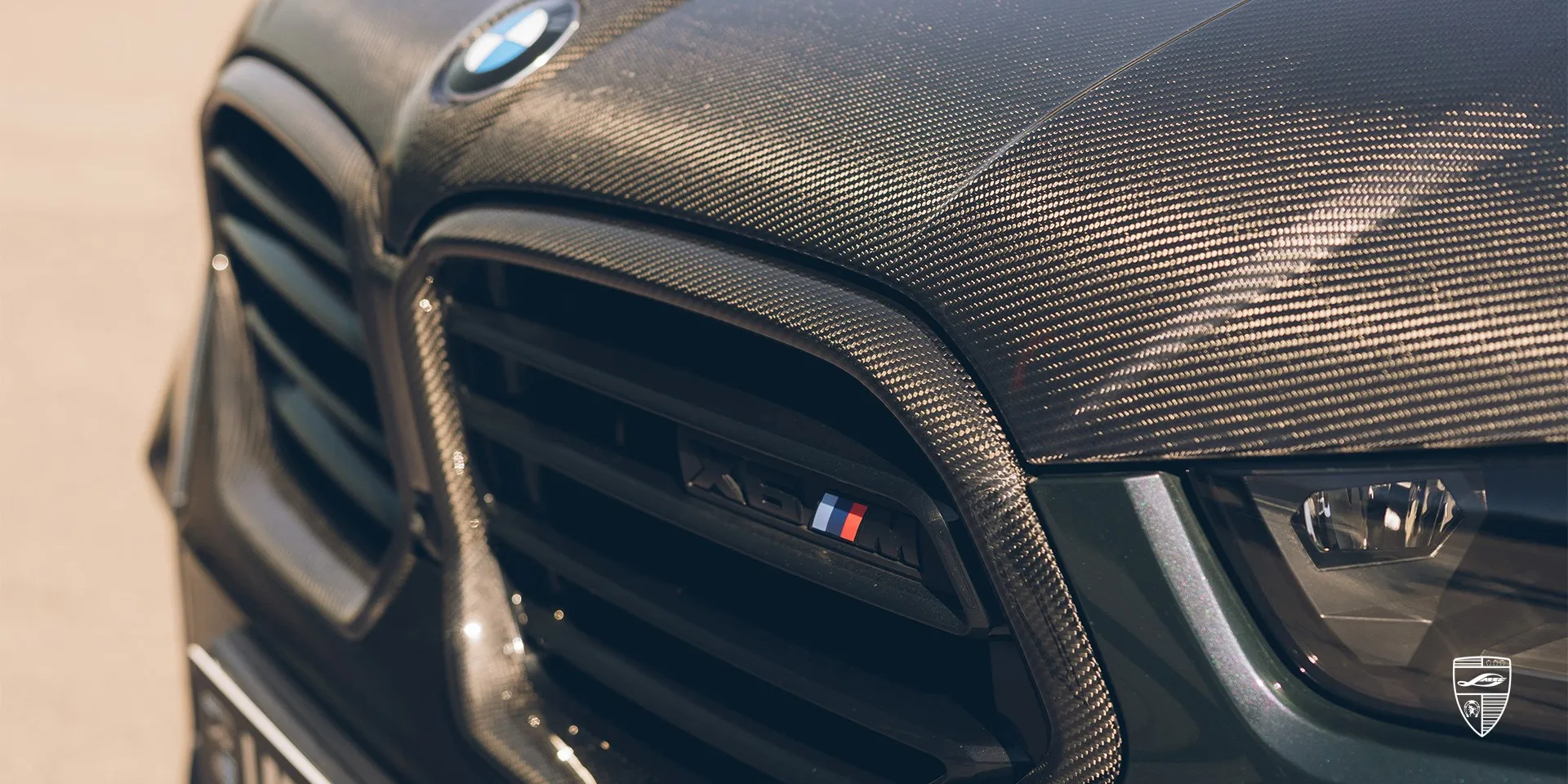
BMW X6M facelift with prepreg carbon body kit
Carbon fiber upgrades on BMW X6M performance SUV
BMW X6M: premium prepreg carbon exterior upgrade
BMW X6M facelift with prepreg carbon body kit
Carbon fiber upgrades on BMW X6M performance SUV
BMW X6M: premium prepreg carbon exterior upgrade

What is vacuum infusion

The vacuum infusion process, also known as VARTM (Vacuum Assisted Resin Transfer Molding), uses a different approach. Dry fiber layup is placed into a mold, sealed with vacuum bagging, and resin is drawn through the fibers using a vacuum pump and atmospheric pressure.

What is vacuum infusion

The vacuum infusion process, also known as VARTM (Vacuum Assisted Resin Transfer Molding), uses a different approach. Dry fiber layup is placed into a mold, sealed with vacuum bagging, and resin is drawn through the fibers using a vacuum pump and atmospheric pressure.

Key characteristics of vacuum infusion:

Key characteristics of vacuum infusion:
  • Dry fiber layup without pre-impregnation
  • Resin infusion controlled during molding
  • No refrigerated storage or shelf life limitations
  • Resin flows through distribution media under vacuum
  • Typically cured at room temperature or low heat
While resin infusion can be cost-effective and flexible, laminate consistency depends heavily on operator skill, resin flow behavior, and process control.

Infusion and pre-preg: manufacturing process comparison

Infusion and pre-preg: manufacturing process comparison
Carbon fiber parts can be produced using different composite manufacturing processes, but the two most widely used today are vacuum infusion molding and prepreg processing with autoclave curing. Both rely on layered composite layup, yet they follow fundamentally different production logic, which directly affects structural quality, repeatability, and long-term performance.

Prepreg processing workflow

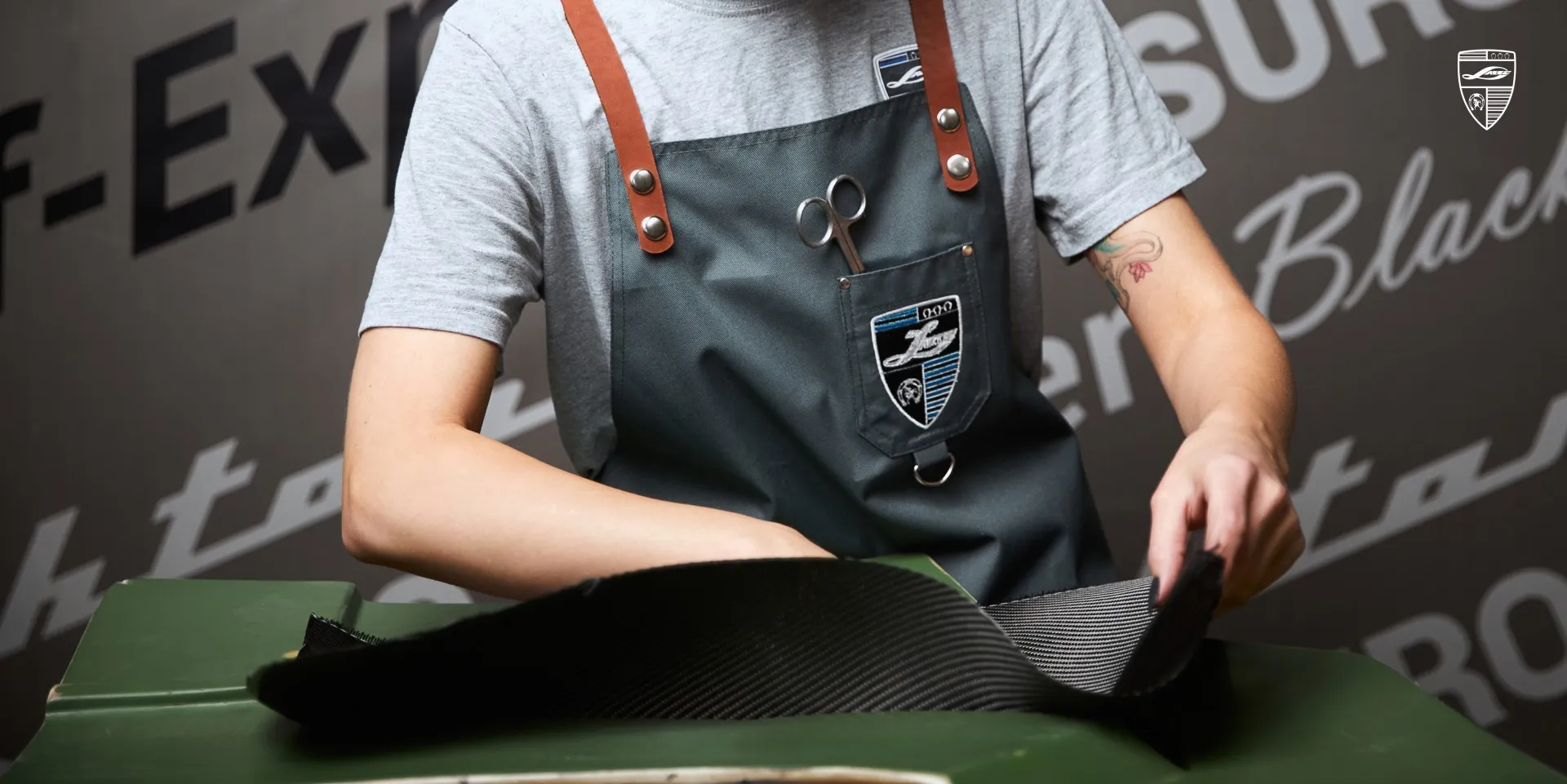
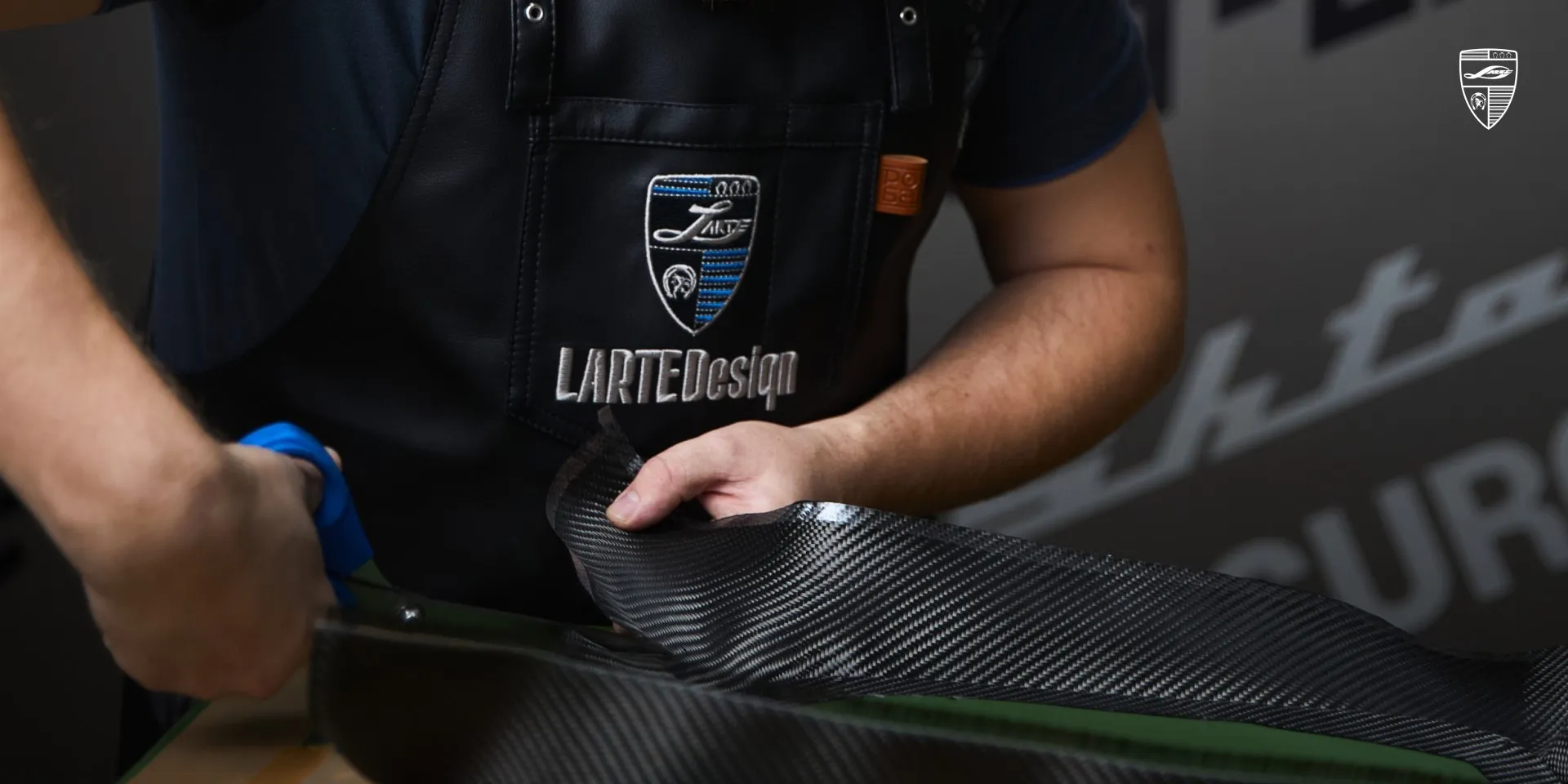
Prepreg carbon fiber parts begin with pre-impregnated fibers, where resin content is precisely defined at the material stage. Before production, the prepreg material is thawed for 4–8 hours to reach optimal handling condition. After that, layers are digitally cut and laid into the mold using a controlled layup technique, either by hand or automated placement.

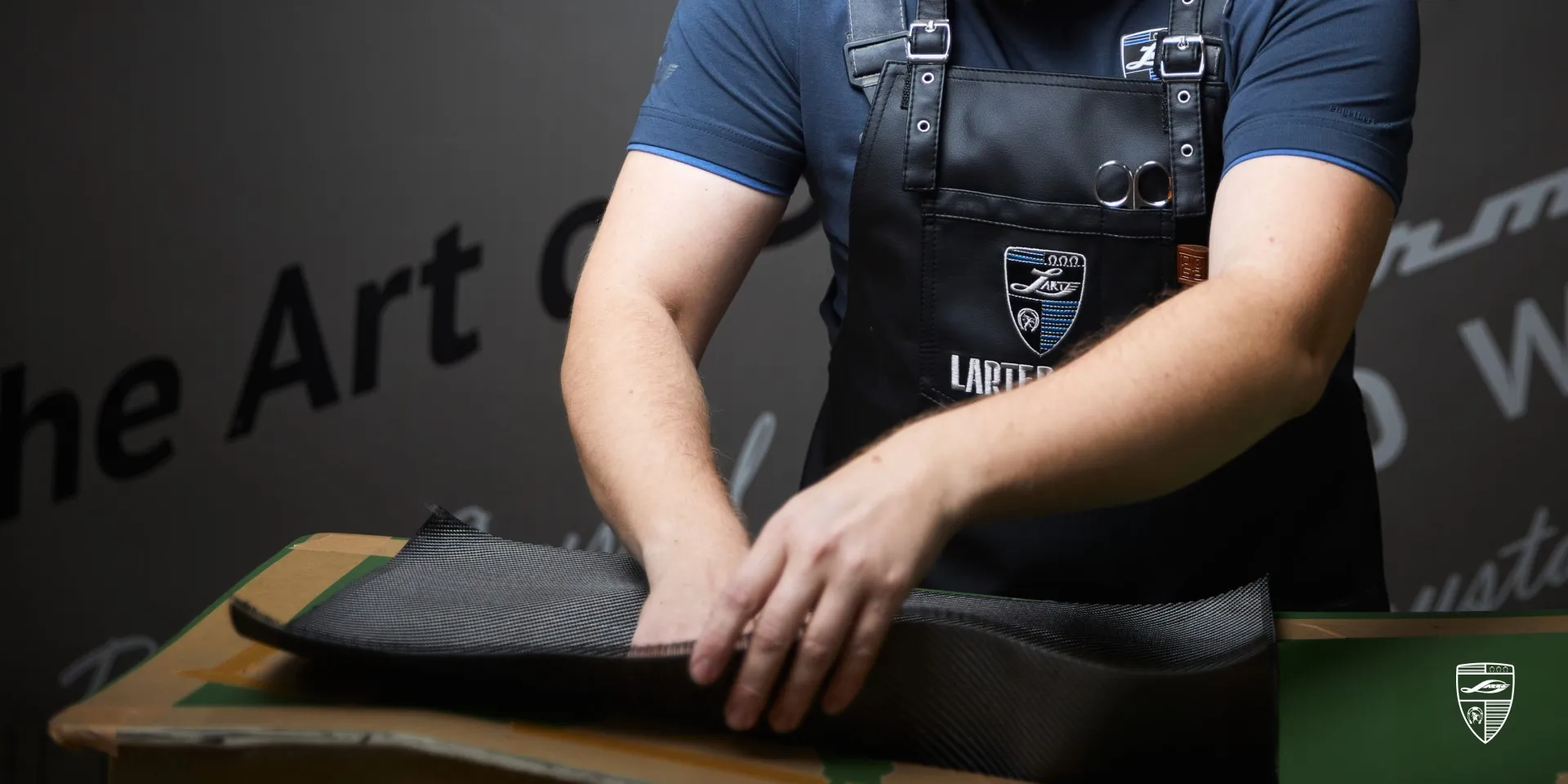
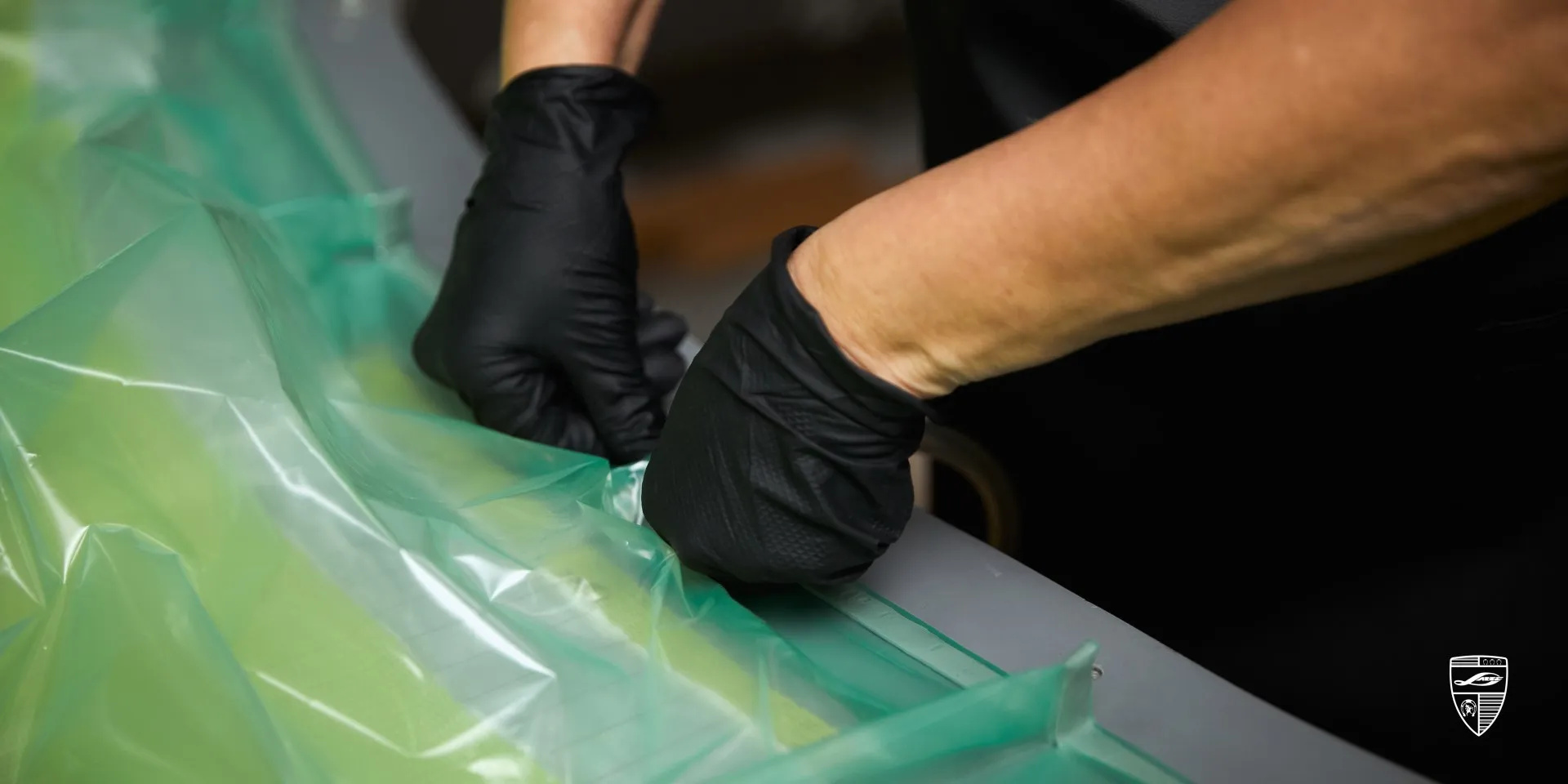
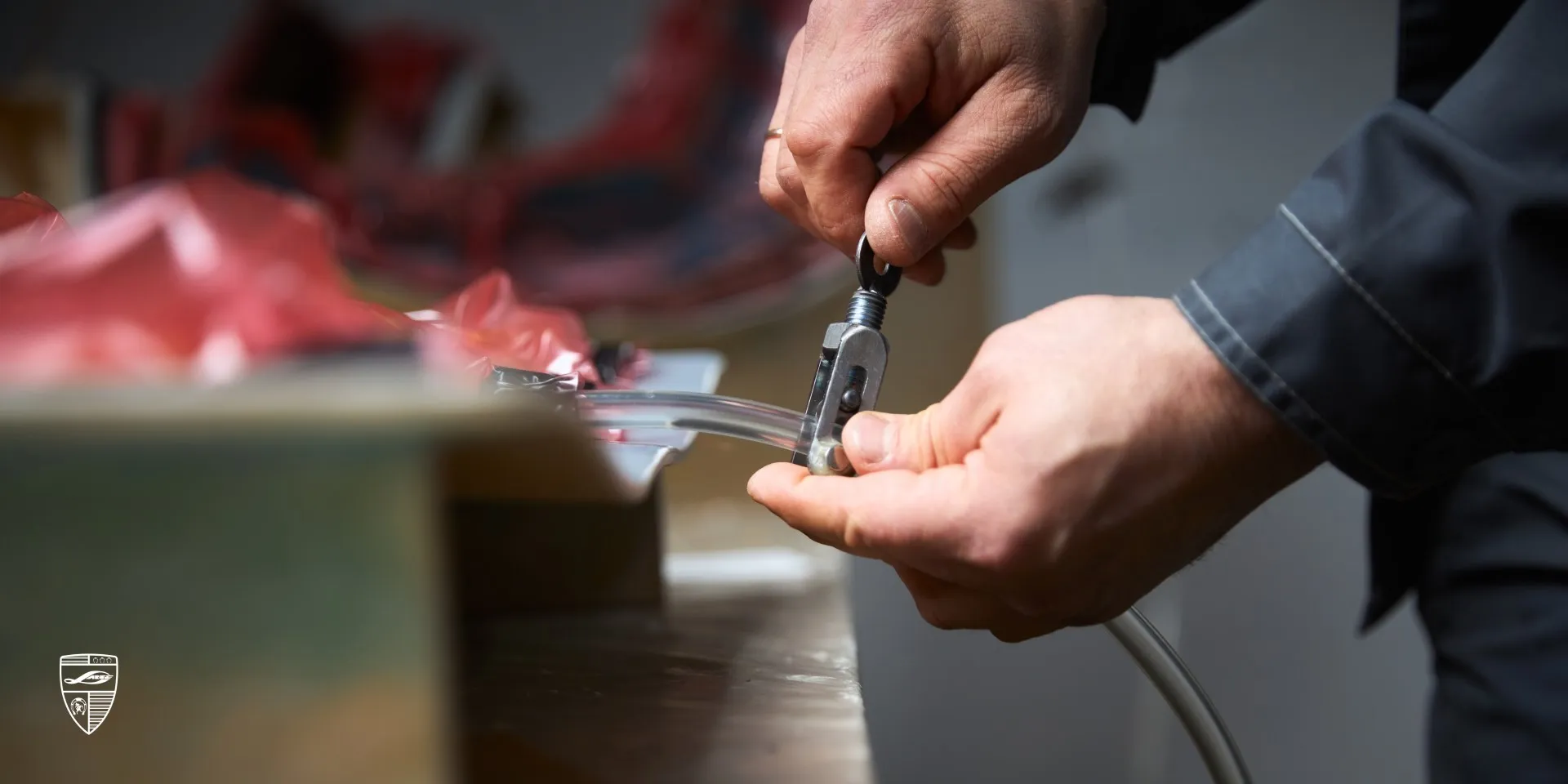
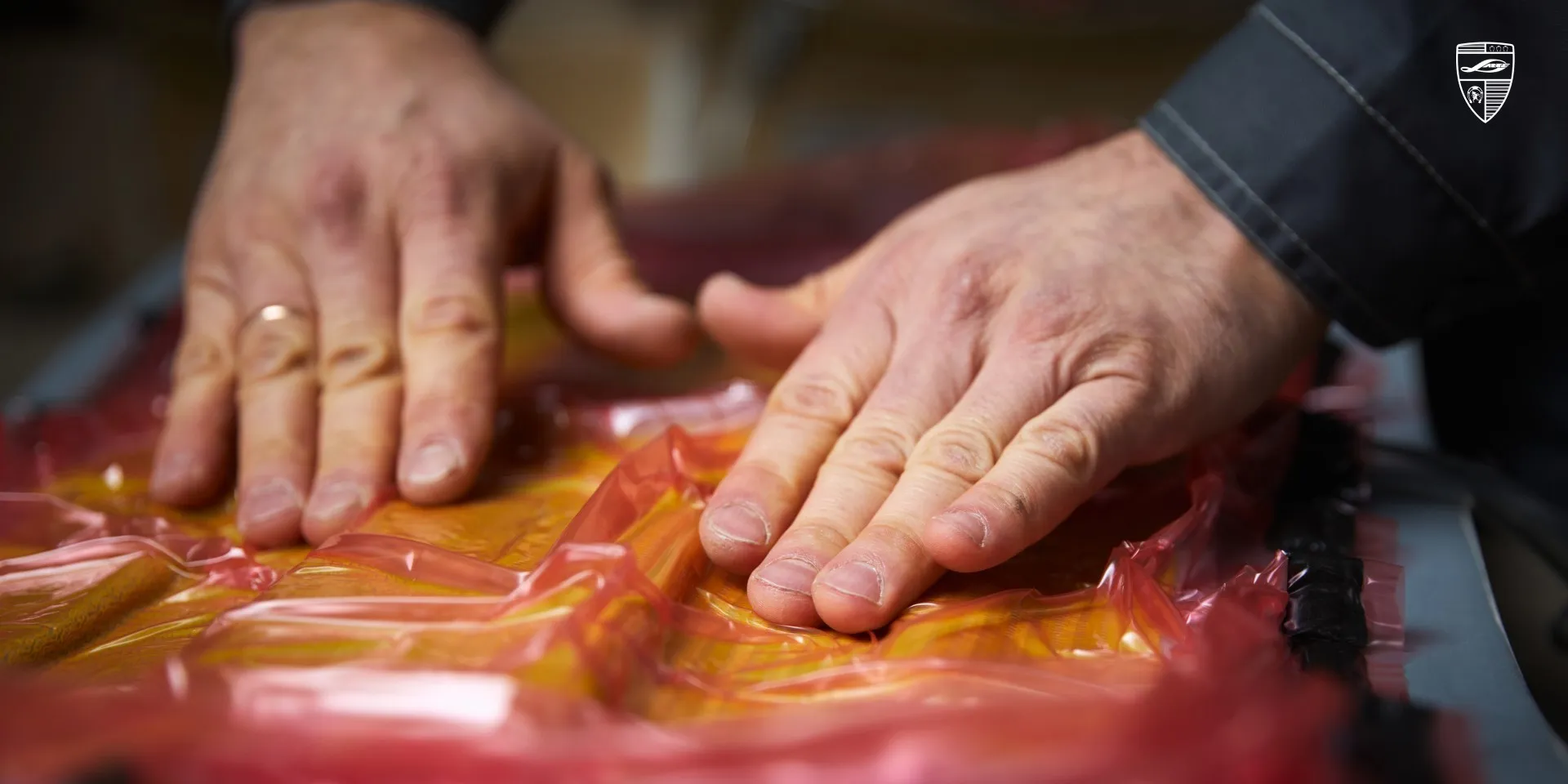
During layup, vacuum consolidation (debulking) is performed every 3–5 layers to remove trapped air and stabilize fiber alignment. The part is then sealed using a defined bagging sequence and placed into an autoclave. The autoclave cycle applies controlled pressure application of 6–7 bar and temperature control of 120–180°C for 2–8 hours. After cooling, trimming and surface finishing are performed.

This workflow produces dense laminates with predictable mechanical properties and minimal void content.
Carbon fiber parts can be produced using different composite manufacturing processes, but the two most widely used today are vacuum infusion molding and prepreg processing with autoclave curing. Both rely on layered composite layup, yet they follow fundamentally different production logic, which directly affects structural quality, repeatability, and long-term performance.

Prepreg processing workflow

Prepreg carbon fiber parts begin with pre-impregnated fibers, where resin content is precisely defined at the material stage. Before production, the prepreg material is thawed for 4–8 hours to reach optimal handling condition. After that, layers are digitally cut and laid into the mold using a controlled layup technique, either by hand or automated placement.

During layup, vacuum consolidation (debulking) is performed every 3–5 layers to remove trapped air and stabilize fiber alignment. The part is then sealed using a defined bagging sequence and placed into an autoclave. The autoclave cycle applies controlled pressure application of 6–7 bar and temperature control of 120–180°C for 2–8 hours. After cooling, trimming and surface finishing are performed.

This workflow produces dense laminates with predictable mechanical properties and minimal void content.
Step‑by‑step prepreg carbon production: layup to finish
Prepreg carbon layup process in composite manufacturing
Precision cutting of prepreg carbon fiber sheets
Debulking prepreg carbon to remove air pockets
Vacuum bagging in prepreg carbon production process
Sealing prepreg carbon layers for optimal bonding
Finishing touches on cured prepreg carbon components
Step‑by‑step prepreg carbon production: layup to finish
Prepreg carbon layup process in composite manufacturing
Precision cutting of prepreg carbon fiber sheets
Debulking prepreg carbon to remove air pockets
Vacuum bagging in prepreg carbon production process
Sealing prepreg carbon layers for optimal bonding
Finishing touches on cured prepreg carbon components

Vacuum infusion molding workflow

The VARTM process starts with a dry fiber layup placed into the mold without resin. The laminate is prepared using peel ply, flow media, and vacuum bag film. Vacuum integrity is tested before infusion to ensure proper vacuum consolidation.

Next, resin mixing is performed, typically with a pot life of 20–45 minutes. Resin is drawn through the fibers by atmospheric pressure using a vacuum pump. Infusion time varies between 15 and 90 minutes depending on part size and complexity. The cure cycle usually occurs at room temperature for 24 hours, sometimes followed by oven post-cure at 60–80°C.

While flexible and cost-efficient, this process depends heavily on operator skill and environmental stability.

Vacuum infusion vs pre-preg + autoclave

Vacuum infusion molding workflow

The VARTM process starts with a dry fiber layup placed into the mold without resin. The laminate is prepared using peel ply, flow media, and vacuum bag film. Vacuum integrity is tested before infusion to ensure proper vacuum consolidation.

Next, resin mixing is performed, typically with a pot life of 20–45 minutes. Resin is drawn through the fibers by atmospheric pressure using a vacuum pump. Infusion time varies between 15 and 90 minutes depending on part size and complexity. The cure cycle usually occurs at room temperature for 24 hours, sometimes followed by oven post-cure at 60–80°C.

While flexible and cost-efficient, this process depends heavily on operator skill and environmental stability.

Vacuum infusion vs pre-preg + autoclave

Parameter Vacuum infusion Prepreg + autoclave
Core process Resin drawn through fibers under vacuum Pre-impregnated carbon cured under heat, pressure, and vacuum
Resin content control Medium, process-dependent High, controlled at prepreg stage
Active fiber percentage Lower (45–55%) Higher (60–70%)
Risk of micro-voids Moderate Minimal (<1%)
Structural density Medium High, monolithic
Stiffness at equal weight Lower Higher
Geometric stability Good Excellent
Batch-to-batch consistency Medium Very high
Cure pressure Atmospheric 6–7 bar
Cure temperature Ambient / 60–80°C 120–180°C
Total cycle time 24–48 hours 8–16 hours
Labor intensity High Lower
OEM and aerospace usage Limited Widely used
Technical classification Sport / aftermarket OEM / supercar level

Advantages and limitations

Advantages and limitations

Prepreg: pros and cons


Advantages

  • Superior mechanical properties with 60–70% fiber volume fraction

  • Minimal void content, typically below 1%

  • Exceptional repeatability, critical for aerospace and OEM automotive use

  • Class-A surface finish with precise fiber alignment

  • Predictable cure cycle and stable geometry

  • Lower labor per part due to controlled material behavior

Limitations

  • High capital investment, autoclaves costing $150,000–2,000,000

  • Refrigerated storage required at –18°C

  • Limited material shelf life of 6–12 months

  • Material cost premium, typically 60–100% higher

Vacuum infusion: pros and cons


Advantages

  • Lower equipment investment, often below $60,000

  • Unlimited shelf life for dry fabrics

  • Suitable for very large parts without autoclave size limits

  • One-sided tooling reduces mold costs by 40–60%

  • Reduced VOC emissions

  • Lower raw material waste

Limitations

  • Process variability due to temperature and humidity sensitivity

  • Risk of dry spots and race tracking

  • Longer cure times compared to prepreg

  • Skilled technique required, often 6–12 months of training

  • Lower fiber content, typically 45–55%

Despite higher investment and complexity, LARTE Design deliberately chooses prepreg and autoclave processing. The reason is simple: for OEM-quality carbon fiber parts, consistency, durability, and precision matter more than production shortcuts.

Prepreg: pros and cons


Advantages
  • Superior mechanical properties with 60–70% fiber volume fraction
  • Minimal void content, typically below 1%
  • Exceptional repeatability, critical for aerospace and OEM automotive use
  • Class-A surface finish with precise fiber alignment
  • Predictable cure cycle and stable geometry
  • Lower labor per part due to controlled material behavior

Limitations
  • High capital investment, autoclaves costing $150,000–2,000,000
  • Refrigerated storage required at –18°C
  • Limited material shelf life of 6–12 months
  • Material cost premium, typically 60–100% higher

Vacuum infusion: pros and cons


Advantages
  • Lower equipment investment, often below $60,000
  • Unlimited shelf life for dry fabrics
  • Suitable for very large parts without autoclave size limits
  • One-sided tooling reduces mold costs by 40–60%
  • Reduced VOC emissions
  • Lower raw material waste

Limitations
  • Process variability due to temperature and humidity sensitivity
  • Risk of dry spots and race tracking
  • Longer cure times compared to prepreg
  • Skilled technique required, often 6–12 months of training
  • Lower fiber content, typically 45–55%

Despite higher investment and complexity, LARTE Design deliberately chooses prepreg and autoclave processing. The reason is simple: for OEM-quality carbon fiber parts, consistency, durability, and precision matter more than production shortcuts.
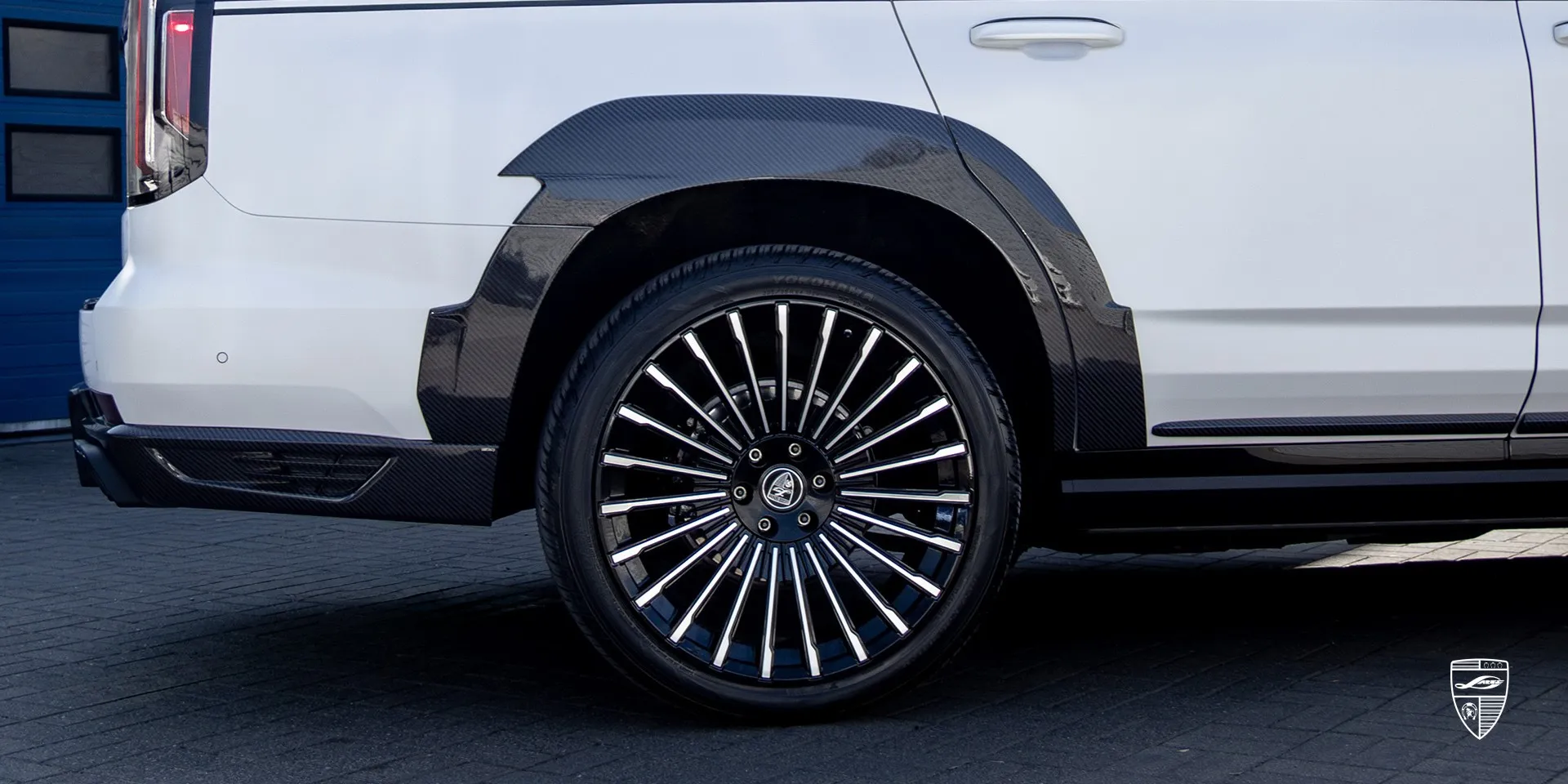
Carbon fiber accents on 2025 Cadillac Escalade exterior
Upgraded Cadillac Escalade featuring carbon fiber details
Carbon fiber accents on 2025 Cadillac Escalade exterior
Upgraded Cadillac Escalade featuring carbon fiber details

Why LARTE Design uses pre-preg and autoclave manufacturing

Why LARTE Design uses pre-preg and autoclave manufacturing
LARTE Design deliberately chooses carbon fiber composite manufacturing based on pre-preg and autoclave technology. Not for complexity, but for control. This approach, rooted in aerospace composite manufacturing, allows carbon fiber to reach its true mechanical potential with predictable results.

Fiber volume fraction and strength-to-weight ratio

Prepreg technology achieves a fiber volume fraction of 60–70%, compared to 45–55% in vacuum infusion. A higher fiber content directly improves the strength-to-weight ratio, delivering lighter parts with higher stiffness and load capacity. This balance is critical for premium carbon body kits exposed to dynamic forces.

Void content and structural integrity

Thanks to autoclave pressure, prepreg laminates reach void content below 1%, while vacuum infusion typically results in 2–5% porosity. Even small increases in porosity can reduce interlaminar shear strength by 15–30%, affecting long-term durability and safety.

Dimensional accuracy and repeatability

Autoclave curing provides exceptional dimensional accuracy, typically within ±0.1 mm batch to batch. Infusion-based processes often vary ±0.3–0.5 mm due to environmental and process variables. For OEM-level components, such repeatability is non-negotiable.

Mechanical properties and long-term stability

Prepreg carbon parts show 15–20% higher tensile strength and 25–35% higher compression strength compared to infused laminates. Combined with superior surface finish and low porosity, this ensures long-term stability under real driving conditions.

This is why aerospace and OEM automotive manufacturers rely on prepreg—and why LARTE Design uses it to deliver OEM-level carbon fiber quality.
LARTE Design deliberately chooses carbon fiber composite manufacturing based on pre-preg and autoclave technology. Not for complexity, but for control. This approach, rooted in aerospace composite manufacturing, allows carbon fiber to reach its true mechanical potential with predictable results.

Fiber volume fraction and strength-to-weight ratio

Prepreg technology achieves a fiber volume fraction of 60–70%, compared to 45–55% in vacuum infusion. A higher fiber content directly improves the strength-to-weight ratio, delivering lighter parts with higher stiffness and load capacity. This balance is critical for premium carbon body kits exposed to dynamic forces.

Void content and structural integrity

Thanks to autoclave pressure, prepreg laminates reach void content below 1%, while vacuum infusion typically results in 2–5% porosity. Even small increases in porosity can reduce interlaminar shear strength by 15–30%, affecting long-term durability and safety.

Dimensional accuracy and repeatability

Autoclave curing provides exceptional dimensional accuracy, typically within ±0.1 mm batch to batch. Infusion-based processes often vary ±0.3–0.5 mm due to environmental and process variables. For OEM-level components, such repeatability is non-negotiable.

Mechanical properties and long-term stability

Prepreg carbon parts show 15–20% higher tensile strength and 25–35% higher compression strength compared to infused laminates. Combined with superior surface finish and low porosity, this ensures long-term stability under real driving conditions.

This is why aerospace and OEM automotive manufacturers rely on prepreg—and why LARTE Design uses it to deliver OEM-level carbon fiber quality.
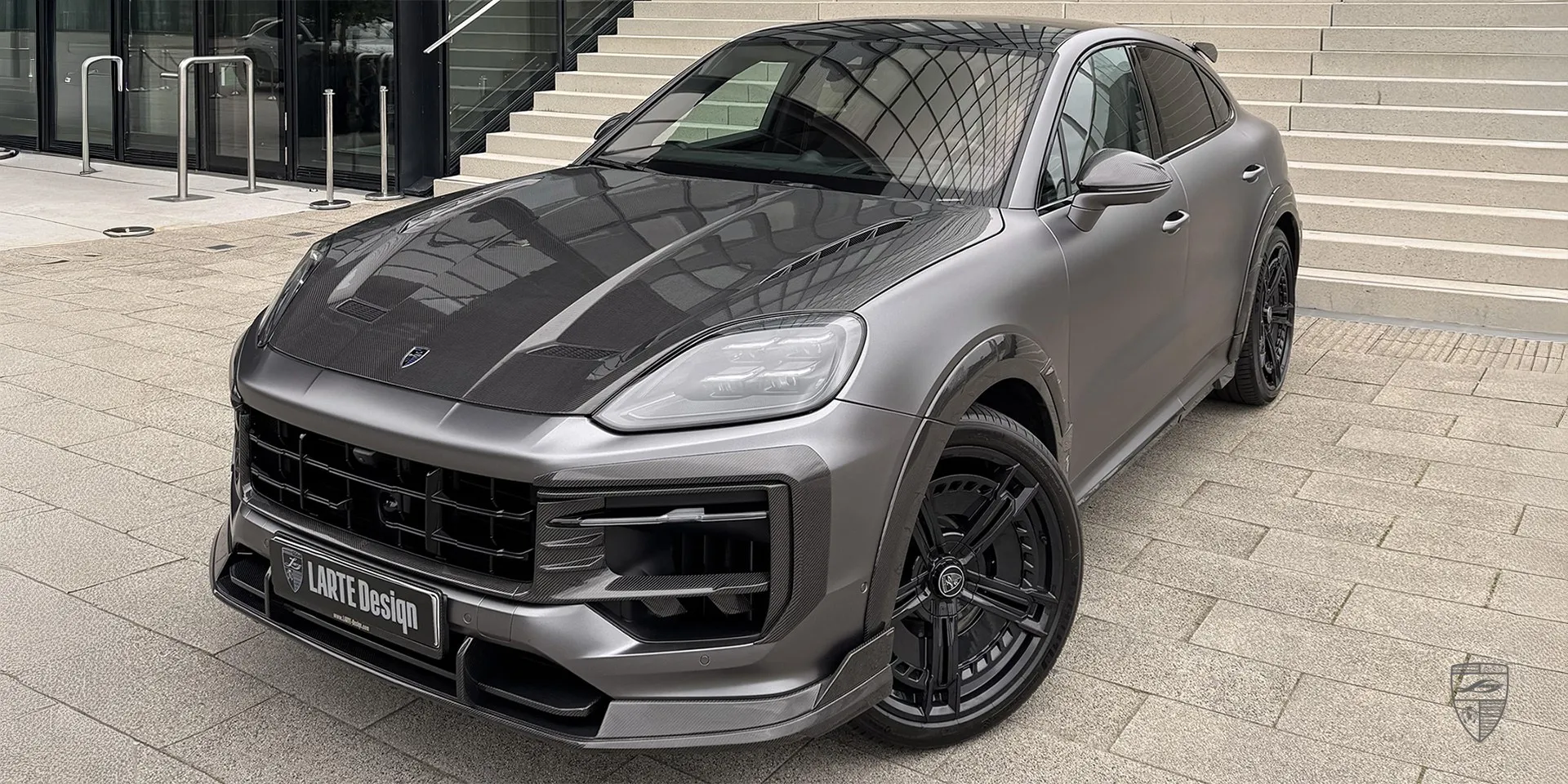
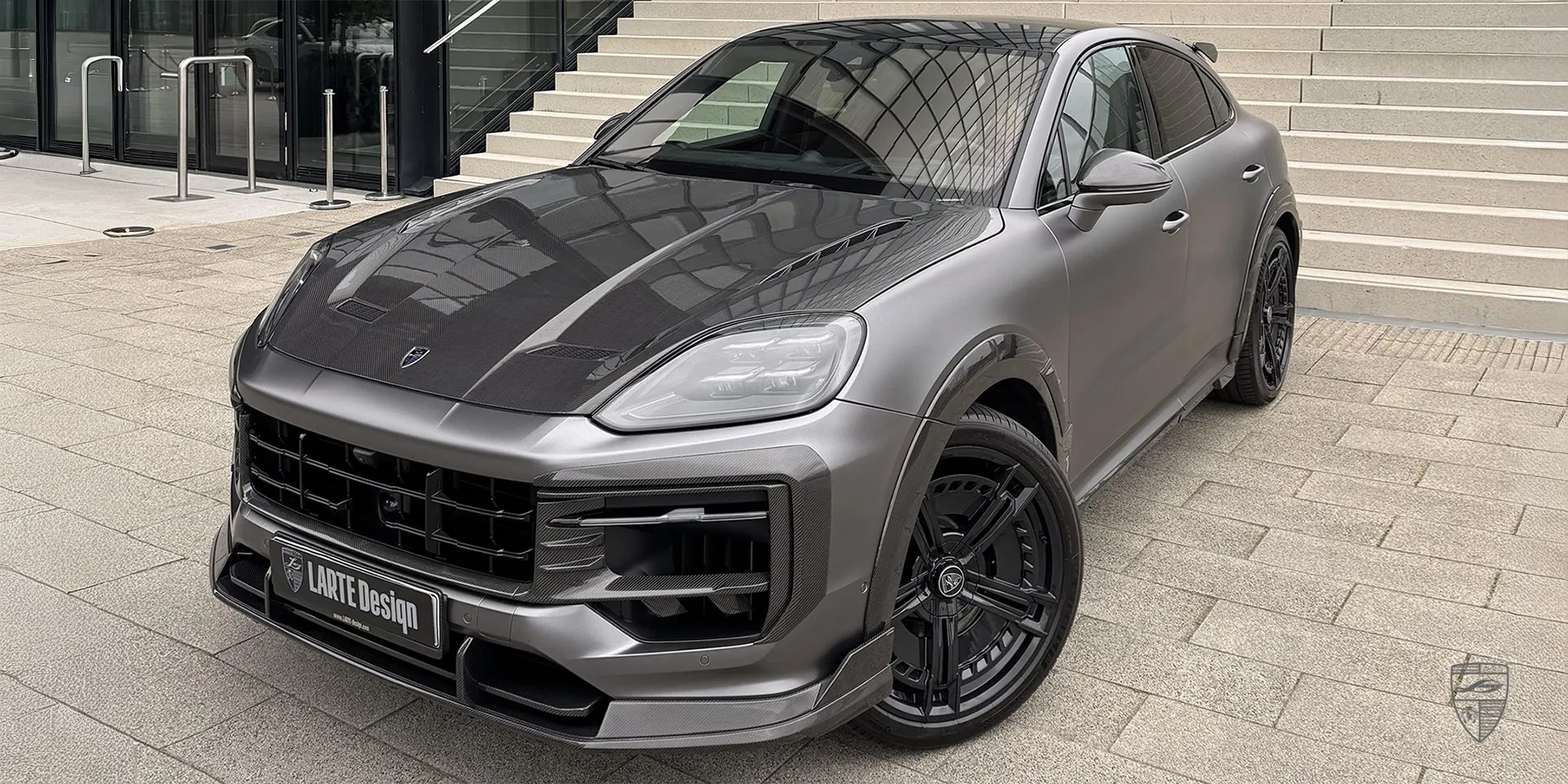
Carbon fiber accents on Porsche Cayenne facelift design
Porsche Cayenne facelift featuring prepreg carbon elements
Carbon fiber accents on Porsche Cayenne facelift design
Porsche Cayenne facelift featuring prepreg carbon elements

Conclusion: confidence in every drive

Conclusion: confidence in every drive
Both prepreg and vacuum infusion can produce high-quality carbon fiber composites, but they serve fundamentally different applications. Prepreg with autoclave curing delivers aerospace-grade performance, exceptional repeatability, low void content, and Class-A surface finish. This makes it the standard for OEM automotive components, motorsport, and structural aerospace parts.

Vacuum infusion offers an excellent cost-to-performance balance, supports large component production, and eliminates the need for autoclave investment, making it suitable for many non-structural applications.

Choosing the right technology depends on performance requirements, production scale, and expectations. For ultimate mechanical properties and zero-compromise consistency, prepreg justifies its premium. Companies like LARTE Design choose prepreg manufacturing to deliver OEM-level quality and the confidence premium vehicle owners expect in every drive.
Both prepreg and vacuum infusion can produce high-quality carbon fiber composites, but they serve fundamentally different applications. Prepreg with autoclave curing delivers aerospace-grade performance, exceptional repeatability, low void content, and Class-A surface finish. This makes it the standard for OEM automotive components, motorsport, and structural aerospace parts.

Vacuum infusion offers an excellent cost-to-performance balance, supports large component production, and eliminates the need for autoclave investment, making it suitable for many non-structural applications.

Choosing the right technology depends on performance requirements, production scale, and expectations. For ultimate mechanical properties and zero-compromise consistency, prepreg justifies its premium. Companies like LARTE Design choose prepreg manufacturing to deliver OEM-level quality and the confidence premium vehicle owners expect in every drive.
alex
helene
max
GET PERSONAL CONSULTATION

I will help upgrade your vehicle to make it even more enjoyable for you

Use of cookies

We use cookies for our website's functionality. You can disable them or continue according to Privacy policy.
Wishlist (0)
0